
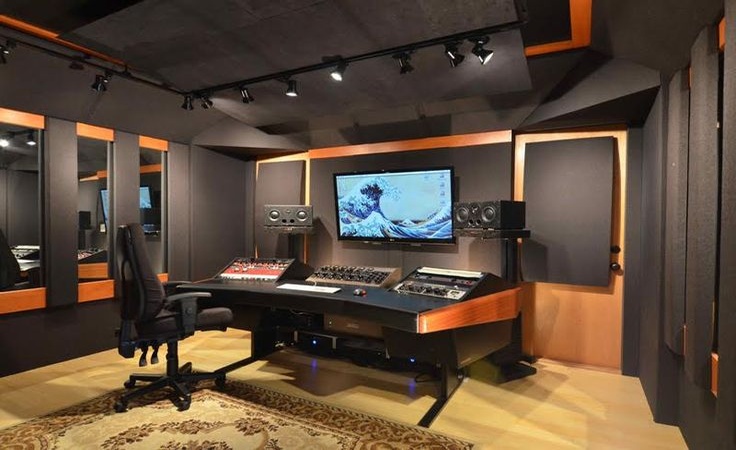
It is not as easy as most musicians think to make a rehearsal room actually comfortable to play in and not to annoy those who surround it. Most of them attempt shortcuts which means that the correct way to soundproofing a music rehearsal space is to know the behavior of sound, and the response of rooms to pressure, and how materials can interact. At Sound Krafted, we spend a great deal of time fine-tuning these rooms for artists, studios, schools, and private residences across Pakistan and the UAE because the goal is more than silence. It’s control, clarity, and reliability.
Why Soundproofing a Music Rehearsal Space Matters More Than Ever?
Any human being who ever worked in bedroom or in a store room or in the basement or even a small rented apartment is well aware of the next thing that follows when the initial loud chord is through, and it is complaints, knocking, even warnings by the neighbors or building authorities. Sound is very aggressive by penetrating through walls, floors, and even the ceiling slabs. Such instruments as drums, electric guitar and brass produce sound that cannot be stopped by simple building.
It is not just about soundproofing a music rehearsal room so that other people cannot hear what is going on inside the room but rather to create an interior in which the musicians themselves can perceive their sounds perfectly. Making the room echo or making the room produce muddy frequencies, the rehearsal is unproductive. This is why the strategy of Sound Krafted combines the sound isolation with the acoustic shaping that is sure to maintain the privacy and quality.
In such towns as Karachi, Lahore, Dubai, Sharjah and Abu Dhabi where residential and commercial buildings are densely stacked together, professionally designed rehearsal areas are now becoming a necessity, to both professionals and hobbyists.
Understanding What “Soundproofing” Truly Means
The acoustic treatment is usually mixed with the soundproofing. Acoustic panels are used to minimize the reflections within the room, yet, they do not prevent the outbound sound in the room. Adequate soundproofing of a music rehearsal room entails the construction of a controlled envelope, nearly creating a room within a room. It is a structural and not decorative process.
Such an envelope should seal air vents, prevent the transmission of vibrations and restrict resonance. Even a crack about a doorframe or an uncovered electrical socket can spurt extraordinary quantities of noise. To correct this Sound Krafted adheres to a systematic process that comprises of isolation layers, resilient channels, damping materials and floating floor system depending on the instrument load and anticipated dB level.
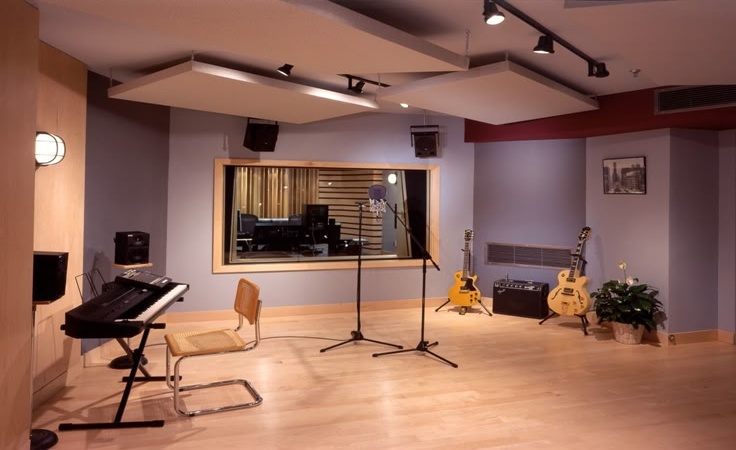
How Sound Moves and Why Rehearsal Rooms Leak Noise
Sound is like water, it runs through all the holes, and goes with any firm ground. When musicians practice the room takes over some of the energy however, the majority of the energy drives against the structure. Low frequencies are absorbed by concrete, mid-range frequency by wooden walls, and hollow partitions are just vibrating, and sending the sound to the other rooms.
This is the reason why the soundproofing of a music rehearsal location involves finding the weak points:
Doors that vibrate or don’t seal
- Windows with thin glazing
- Shared walls that act like drum skins
- Floors connected directly to neighboring units
- HVAC openings and electrical conduits
Any one of these can be the main source of noise complaints. The design has to be holistic rather than piecemeal.
Sound Krafted’s Approach to Professional Rehearsal Room Isolation
Every project begins with the same step: measuring the noise pattern. Instead of guessing, we analyze how instruments behave in that specific room. Drums require a heavier isolation structure. Guitars may need mid-frequency absorption. Vocals demand a balanced reflection pattern. Once the behavior is mapped, the design becomes clear.
Sound Krafted uses a combination of mass-loaded barriers, multi-layer gypsum assemblies, decoupled frames, rubber isolation clips, and acoustic sealants to build a stable enclosure. Each part is installed with precision because a rehearsal room is only as strong as its weakest component. One misplacedly sealed seam is enough to bring the whole system down.
The experience we have had in studios, schools, rehearsal rentals, and residential practice rooms in both Pakistan and the UAE assist us in developing systems that can endure weather, moisture, building movement, and long-term use.
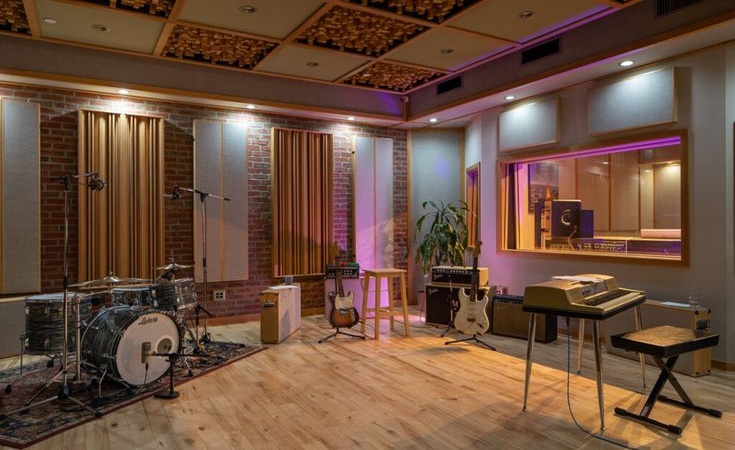
The Room-Within-Room Technique Explained Simply
If you’ve ever wondered why professional studios feel “heavy,” it’s because they actually are. Soundproofing a music rehearsal space often means building a secondary inner structure that does not touch the outer walls directly. This floating design stops vibrations from transferring and gives the room a stable acoustic environment.
This method includes:
- Independent framing
- Floating floors
- Double-layer walls
- Isolated ceiling grids
It looks simple on paper, but in practice, the precision required is high. The placement of every screw matters. The tension on every joint matters. The thickness of each layer changes the room’s performance. That is why Sound Krafted takes this technique seriously and applies it with engineering accuracy rather than trial and error.
Why Cheap DIY Soundproofing Rarely Works
There are also some attempts to prevent money expenditure by fixing foam on the walls, carpeting the floor or stacking furniture to block the sound. These tricks can alter the sensation of the room, but they do virtually nothing in the way of isolation.
And once the space is used daily, DIY fixes begin to crumble. Panels fall off. Gaps appear. The frequency response becomes inconsistent. Musicians lose confidence in their setup.
Soundproofing a music rehearsal space is one of those tasks where professional execution saves time and prevents frustration. The difference between temporary improvements and a proper isolation envelope is night and day.
Room Shape, Ceiling Height, and Layout Make a Bigger Difference Than You Think
It is not just a matter of material; a rehearsal room is a matter of shape as well. There are namely odd corners, narrow spaces and low ceilings that give a chaos of reflections. When designing a given facility in Sound Krafted, we modify the structure of the room but not too much, in order to make the sound act in a predicable manner. The minute adjustment in angles and surface position can remove troublesome resonances that destroy the recording and rehearsal.
Immediate benefits are felt by musicians: more transparent tones, more control over the low-end, more coherent vocals, and less exhaustion of the long sessions.
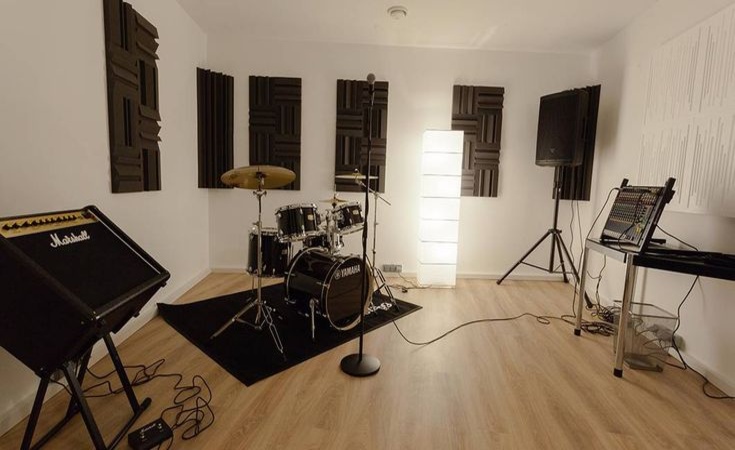
Ventilation Without Noise: The Most Overlooked Part of Every Rehearsal Room
One of the hardest parts of soundproofing a music rehearsal space is ventilation. You cannot seal musicians into a closed box. Fresh air must circulate, but vents are notorious for becoming noise pathways.
Sound Krafted builds acoustic ventilation systems using baffled channels and insulated ducts that allow airflow without letting sound escape. This maintains comfort during long practice sessions without compromising isolation.
How Sound Krafted Ensures Consistency for Long-Term Use
Rehearsal rooms are subject to rough treatment- huge volumes, heavy machinery and vibrations. Soundproofing systems made cheaply do not hold up long and a room built well will last years of service with little maintenance.
Our installations are made of industrial grade materials in daily rehearsal pressure reinforcements. On completion, we provide internal noise tests in order to ascertain whether the room is isolated to the promised targets. It is not aimed only at passing a test day, but remaining reliable over the years.
When Should You Upgrade or Redesign Your Rehearsal Space?
The musicians usually notice that their room is not working when mixes do not sound the same way in the studio, or when neighbors start to complain. Some signs that your space needs work include:
- Bass frequencies rattling through walls
- Unpredictable echoes
- Uneven loudness around the room
- Sound leaking into hallways or upstairs rooms
- Difficulty hearing details during practice
If any of these occur, upgrading becomes necessary. And if you’re planning to record or rehearse more seriously, soundproofing a music rehearsal space early saves future cost.
Sound Krafted: Building Rehearsal Spaces That Let Musicians Focus on Their Music
Musicians should have a room that does not go against them. A place they will be comfortable practicing, being experimental and working at any time without feeling like they disturb other people. Sound Krafted is specialized in the same thing.
We manufacture and construct completely sound insulated rooms with engineering grade isolation systems, custom-cut enclosures, and acoustically shaped to the type of instrument. It could be a guitarist at his house, a band rehearsing, or a school with pupils in need of practice rooms, our systems provide an environment that is consistent and easy to play in.
Soundproofing a music rehearsal room is freedom, freedom to not have complaints, freedom to not be distorted and freedom to not be inconsistent. As the room sounds good, so do the musicians.