
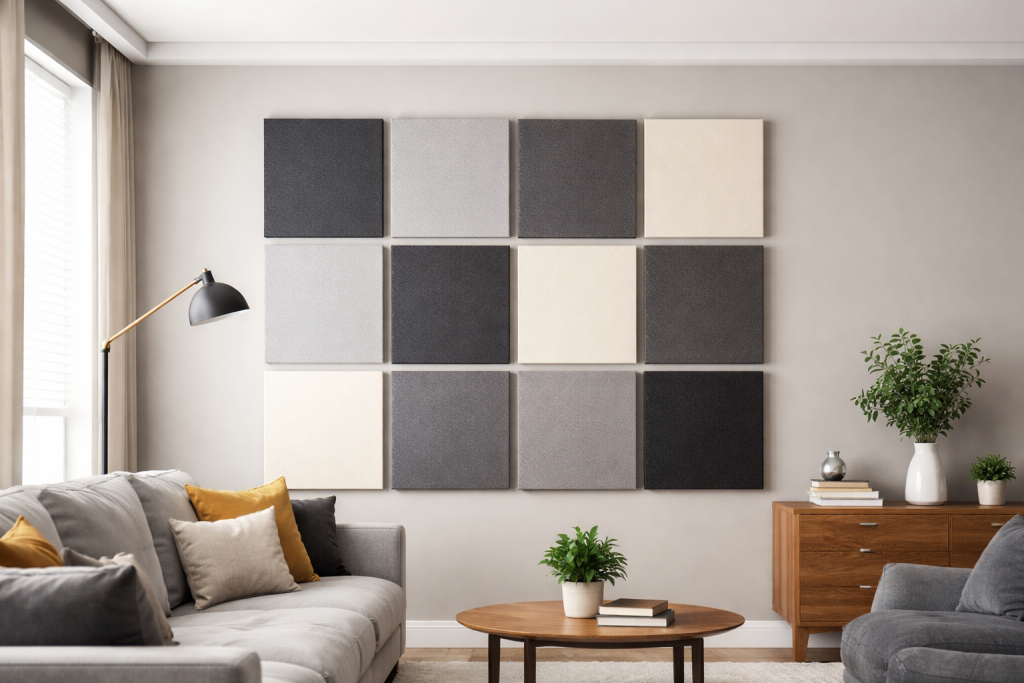
Sound travels easily through walls, ceilings, floors, and doors, and uncontrolled noise can disrupt peace, productivity, and comfort. Whether it’s loud street traffic in Lahore, neighbour noise in Karachi, or music in a home studio in Islamabad, soundproof panels provide a practical and effective solution to reduce unwanted noise. This article explains everything a person needs to know about soundproof panels — how they work, types, benefits, installation tips, and how to choose the best ones in Pakistan.
What Are Soundproof Panels?
Soundproof panels are engineered materials designed to absorb, block, or reduce sound transmission in a space. They improve the acoustic quality of a room by reducing echoes, reverberation, and noise transfer. Unlike simple decorative materials, quality soundproof panels are made from dense, acoustic-rated components that deliver measurable noise reduction.
In Pakistan’s residential and commercial settings, these panels serve dual purposes: to create quieter environments and to enhance sound clarity where it matters most — from recording studios to conference rooms.
Why Soundproof Panels Matter in Pakistan
Pakistan’s growing urbanization brings increased noise — from traffic congestion to construction, businesses, and daily neighbourhood sounds. In this context, soundproof panels help in:
- Improving home comfort by reducing external noise
- Supporting creative work in music and podcast studios
- Enhancing focus in offices and learning centres
- Boosting hospitality experiences in hotels and restaurants
- Providing privacy in healthcare, legal, and corporate spaces
Without proper sound control, interiors can feel chaotic, tiring, and distracting. Soundproof panels address these challenges efficiently.
How Soundproof Panels Work
Sound travels as vibrations through air and materials. Soundproof panels help by absorbing or blocking these vibrations:
- Absorption: Panels absorb sound waves inside a room, reducing echo and reverberation.
- Blocking: Dense panel materials block sound from entering or leaving a space.
- Diffusion: Some panels scatter sound waves to reduce focused energy and deliver balanced room acoustics.
Good panels balance these actions to create quieter and acoustically pleasant spaces.
Key Benefits of Using Soundproof Panels
1. Noise Reduction
High-quality panels significantly reduce noise levels, making interiors peaceful and comfortable.
2. Better Acoustic Quality
Panels improve speech intelligibility and music clarity, essential for studios, classrooms, and meeting spaces.
3. Enhanced Privacy
By limiting sound transmission, panels protect conversations in offices, clinics, and homes.
4. Energy Efficiency
Some soundproof panel systems also provide insulation, helping maintain temperature control.
5. Aesthetic Flexibility
Modern panels are available in various designs, colours, and finishes that complement interiors.
Types of Soundproof Panels
Understanding panel varieties helps a person choose what fits their need and budget:
1. Fabric-Wrapped Acoustic Panels
These are popular for offices, studios, and lounges. They combine a fabric covering with an acoustic core to absorb mid-to-high frequencies.
- Best for: Echo reduction, modern interiors
- Pros: Aesthetically pleasing, customizable
- Cons: Limited low-frequency absorption
2. Foam Acoustic Panels
Made from open-cell foam, these panels absorb sound and reduce reflections.
- Best for: Home studios, sound-treated rooms
- Pros: Lightweight, affordable
- Cons: Less effective at blocking external noise
3. Bass Traps
Designed to absorb low-frequency sound that often causes muddiness in music production and home theatres.
- Best for: Studios, media rooms
- Pros: Effective low-frequency control
- Cons: Requires proper placement
4. Mass-Loaded Vinyl (MLV) Panels
MLV panels block sound rather than absorbing it. They are dense and ideal for serious noise control.
- Best for: Shared walls, floors, ceilings
- Pros: Excellent blocking performance
- Cons: Can be heavier and pricier
5. Wooden Slat Acoustic Panels
These deliver sound diffusion and aesthetic appeal. Popular in corporate and upscale residential designs.
- Best for: Decorative acoustics
- Pros: Stylish, durable
- Cons: Higher cost
How to Choose the Best Soundproof Panels
A thoughtful selection process ensures effectiveness and value. Here are the main factors:
1. Define Your Noise Problem
Is the priority reducing loud external noise, improving room acoustics, or both? Clarity on this guides material choice.
2. Material Quality
Panels with higher density and validated acoustic ratings perform better. Ask suppliers for NRC (Noise Reduction Coefficient) values.
3. Application Area
Bedrooms, studios, offices, and restaurants each have unique requirements. For example, studios need panels focused on echo control and bass management.
4. Aesthetic Preferences
Panels should enhance, not disrupt, interior design. Fabric colours, patterns, and finishes matter.
5. Budget Constraints
Balance cost with performance. In most cases, spending a bit more on higher-rated panels delivers long-term value.
Where to Install Soundproof Panels
Panels are versatile and can be installed in many places:
- Walls: Main surface for absorbing reflections and blocking noise
- Ceilings: Important in rooms with high ceilings or upstairs neighbours
- Corners: Bass traps in corners improve low-frequency control
- Around doors and windows: Reduce noise leaks
- Studio booths or performance areas: For professional sound control
Installation should be planned based on acoustic goals and room usage.
Professional vs. DIY Installation
Professional Installation
When acoustic precision matters — in recording and broadcast studios, theatres, or large offices — professional installation ensures panels are positioned for maximum effect. Experts consider room dimensions, sound behaviour, and materials.
DIY Installation
For homes and small spaces, DIY installation can be practical and cost-effective. Many panels come with easy mounting hardware or adhesive options.
Common Mistakes to Avoid
Even quality panels underperform when placed incorrectly. Watch for these pitfalls:
- Installing panels only on one side of the room
- Ignoring low-frequency issues (bass problems)
- Choosing panels based solely on appearance
- Not addressing doors, windows, and other noise leaks
- Overlooking professional advice when needed
Soundproof Panels and Value in Pakistan
Pakistan’s real estate and business sectors increasingly recognize acoustic comfort as a priority. Whether creating restful bedrooms in Karachi, sound-controlled conference spaces in Lahore, or professional studios in Islamabad, soundproof panels deliver measurable benefits.
Investing in well-designed panels not only improves comfort but also boosts property value and user satisfaction.
Conclusion
Soundproof panels are a smart investment for anyone seeking quieter, more comfortable, and acoustically balanced interiors in Pakistan. From homes and workplaces to studios and public venues, soundproofing enhances quality of life and productivity.
When selecting panels, focus on material performance, application needs, and proper installation. With the right approach, soundproof panels transform noisy spaces into peaceful and functional environments.
For tailored acoustic solutions, professional guidance ensures the best results — from panel selection to complete installation planning.
Frequently Asked Questions About Soundproof Panels
Do soundproof panels completely block noise?
Soundproof panels reduce noise significantly but work best when combined with proper room sealing and acoustic planning.
Can soundproof panels be used in homes?
Yes. They are commonly installed in bedrooms, TV rooms, and home offices.
How many soundproof panels are required?
The number depends on room size, noise level, and acoustic goals.
Are soundproof panels safe and durable?
Quality panels are non-toxic, fire-rated, and built for long-term use.