
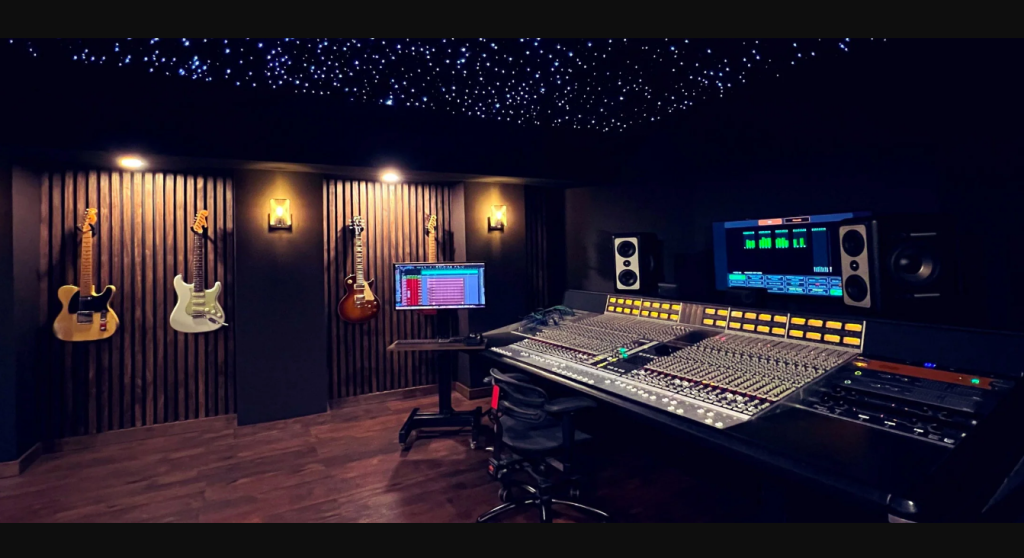
In professional audio production, sound quality is everything. Even the smallest background noise traffic, footsteps, HVAC systems, or outside conversations can ruin an otherwise perfect take. That is why recording studios are designed to be soundproof so that unwanted external noises do not interfere with the recording. Soundproofing is not a luxury; it is a necessity for musicians, podcasters, voice-over artists, filmmakers, and broadcasters.
At SoundKrafted, we specialize in designing and building professional soundproof recording studios in Pakistan, ensuring clean, noise-free recordings that meet international standards.
Understanding Soundproofing in Recording Studios
Soundproofing refers to the process of preventing sound from entering or leaving a space. Unlike acoustic treatment which improves sound quality inside a room soundproofing focuses on blocking external noise and containing internal sound.
Recording studios are designed to be soundproof so that unwanted external noises do not interfere with the recording process, allowing microphones to capture only the intended sound source. Without proper soundproofing, even high-end equipment cannot deliver professional results.
Why Soundproofing Is Essential for Recording Studios
1. Elimination of External Noise
Urban environments are filled with unwanted sounds:
- Traffic and horns
- Construction noise
- Neighbors and footsteps
- Generators and machinery
Soundproof studio design ensures that these disturbances never reach the microphone.
2. Professional Recording Quality
High-sensitivity microphones pick up every sound, including vibrations and air movement. Soundproofing guarantees clean audio, reducing post-production editing costs.
3. Privacy and Noise Containment
Soundproof studios prevent sound leakage, which is essential for:
- Music studios
- Voice-over booths
- Podcast studios
- Broadcast facilities
This ensures privacy and avoids disturbing surrounding areas.
Soundproofing vs Acoustic Treatment (Important Difference)
Many people confuse these two concepts, but they serve different purposes:
Soundproofing
- Blocks sound from entering or exiting
- Uses heavy, dense materials
- Structural solution
Acoustic Treatment
- Improves sound clarity inside the room
- Controls echo and reverb
- Uses panels, foam, and diffusers
Recording studios are designed to be soundproof first, and then acoustically treated for optimal sound performance. At SoundKrafted, we provide both solutions as part of a complete studio setup.
Core Principles of Soundproof Recording Studio Design
1. Mass
Heavier materials block sound more effectively. This is why Mass Loaded Vinyl (MLV), double drywall, and concrete structures are used in studio soundproofing.
2. Decoupling
Decoupling separates structural elements so vibrations cannot travel through walls, floors, or ceilings. Examples include:
- Double-wall systems
- Floating floors
- Resilient channels
3. Damping
Damping absorbs vibrations and prevents sound energy from passing through surfaces. Green Glue and acoustic sealants are common damping solutions.
4. Airtight Construction
Sound travels through air. Even small gaps can ruin soundproofing. Professional studios use:
- Acoustic doors
- Sealed joints
- Double-glazed soundproof windows
Materials Used in Soundproof Recording Studios
At SoundKrafted, we use industry-approved materials to ensure long-lasting performance.
Mass Loaded Vinyl (MLV)
- High-density sound barrier
- Blocks airborne noise
- Flexible and easy to install
Rockwool / Acoustic Insulation
- Absorbs sound energy
- Prevents resonance inside walls
Double Drywall Systems
- Adds mass
- Reduces sound transmission
Acoustic Sealants
- Eliminates sound leaks
- Ensures airtight construction
Floating Floors
- Reduces impact noise
- Prevents vibration transfer
Soundproofing Walls in Recording Studios
Walls are the first line of defense against external noise. Recording studios are designed to be soundproof using:
- Double-stud or staggered-stud walls
- Insulation-filled cavities
- Multiple layers of drywall with damping compound
This design dramatically reduces sound transmission and external interference.
Soundproofing Ceilings and Floors
Ceiling Soundproofing
External noise often travels from above. Soundproof ceilings use:
- Suspended ceiling systems
- Acoustic hangers
- Insulated cavities
Floor Soundproofing
Impact noise is controlled through:
- Floating floors
- Rubber underlays
- Vibration isolation pads
These systems are essential for studios located in apartments or commercial buildings.
Doors and Windows: Weak Points in Studio Soundproofing
Even the best walls can fail if doors and windows are not soundproofed.
Soundproof Doors
- Solid-core doors
- Acoustic seals
- Double-door entry systems
Soundproof Windows
- Double or triple glazing
- Laminated acoustic glass
- Airtight frames
SoundKrafted designs custom soundproof doors and windows tailored to studio requirements.
HVAC and Ventilation Noise Control
A completely sealed studio still needs fresh air. However, ventilation systems can introduce noise if not designed properly.
Professional studio soundproofing includes:
- Acoustic silencers
- Baffled air paths
- Low-noise ventilation systems
This ensures comfort without compromising sound isolation.
Types of Recording Studios That Require Soundproofing
Recording studios are designed to be soundproof across various applications:
- Music recording studios
- Home studios
- Podcast studios
- Voice-over booths
- Broadcast and radio studios
- Film dubbing rooms
Each studio has unique requirements, and SoundKrafted provides customized solutions accordingly.
Common Soundproofing Mistakes to Avoid
Many DIY studios fail due to these mistakes:
- Relying only on acoustic foam
- Ignoring doors and ventilation
- Not sealing gaps properly
- Using lightweight materials
Professional consultation is essential to avoid wasted investment
Why Choose SoundKrafted for Recording Studio Soundproofing in Pakistan
SoundKrafted is a trusted name in professional soundproofing and acoustic solutions in Pakistan. We offer:
- Site inspection & noise analysis
- Custom studio design
- Premium soundproofing materials
- Expert installation
- Post-installation testing
We have successfully completed projects in Islamabad, Lahore, Karachi, Rawalpindi, and other major cities.
Cost of Soundproof Recording Studios in Pakistan
The cost depends on:
- Studio size
- Noise level outside
- Materials used
- Structural complexity
SoundKrafted provides cost-effective solutions without compromising performance.
Final Thoughts
Recording studios are designed to be soundproof so that unwanted external noises do not interfere with the recording, ensuring clean, professional audio output. Proper soundproofing is the foundation of every successful studio, whether it’s a home setup or a commercial facility.
If you are planning to build or upgrade a recording studio in Pakistan, SoundKrafted is your reliable partner for expert soundproofing and acoustic solutions.
Contact SoundKrafted Today
Get a free consultation and take the first step toward a truly professional, noise-free recording studio.