
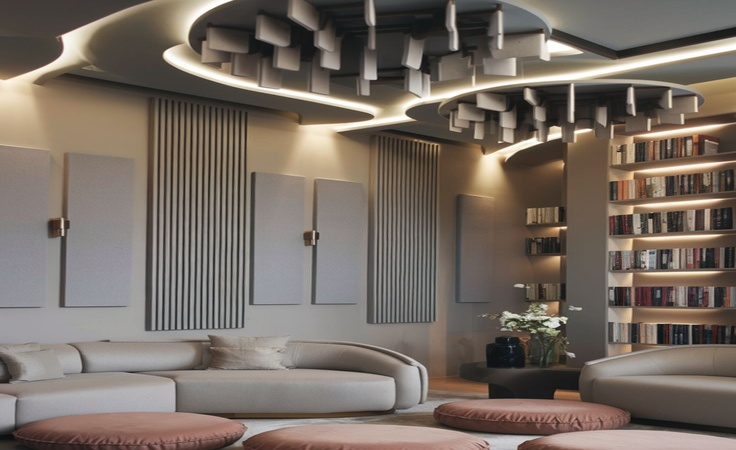
Living in a busy city comes with a certain background noise that everyone learns to accept — but when that noise enters your home, disrupts sleep, or affects daily comfort, it becomes a genuine problem. That is why residential soundproofing has quickly turned into a necessity in Pakistan and the UAE, where urban housing, shared buildings, and tightly packed neighborhoods make noise travel far more easily than people expect. Many homeowners start by searching for quick hacks online, but real improvement only comes from a planned approach. That is where Sound Krafted’s experience with apartment wall soundproofing and complete room sound proofing systems makes a true difference.
Homes are not built with acoustics in mind. Walls are often hollow, floors transfer vibration, and windows let in a surprising amount of outdoor sound. When someone asks, “can you soundproof a room in a typical home?” the honest answer is yes — but not with shortcuts. Real room noise reduction needs a mix of structure, materials, and installation that all work together. Sound Krafted designs solutions that fit the reality of each home rather than forcing generic methods, so the final result feels natural, blends with the interior, and actually lowers the noise levels homeowners complain about.
Understanding Where Home Noise Really Comes From
The initial activity before any residential soundproofing is done is to determine the kind of noise passing through. These issues encountered most often within apartments, villas or duplex homes contradict to two groups. Airborne noise consists of voices, television, traffic, pets and music of an adjacent unit. Impact noise is another case, that is footsteps, furniture movement, elevator, or even plumbing vibration.
Many homeowners in Pakistan and the UAE assume the issue is only in the walls, but floors, ceilings, and shared ventilation channels also play a role. A room sound proofing plan must take all of these details into account. Sound Krafted does this assessment before recommending anything because there is no single material that magically fixes everything. The right combination of layers, density, and sealing is what actually creates a proper sound blocking room.
Why Typical DIY Approaches Don’t Work for Homes
The internet is full of quick solutions — foam panels, rugs, curtains, or wallpaper-like “soundproof sheets.” Such products can be implemented to enhance the acoustics within a room, however, they do not prevent sound traveling across a wall or a ceiling. The focus of real house soundproofing is to prevent sound energy before spreading in or out of the area.
Foam, in case, assists in the area of echo but introduces nearly no sound isolation. Heavy curtains reduce brightness but cannot handle outdoor traffic or upstairs footsteps. Homeowners in the UAE often try thick carpets for upper floors, and those help a bit with impact noise, but the deep vibrations still pass through the structure. That is why Sound Krafted relies on tested materials that match international acoustic standards rather than decorative items that only create the illusion of improvement.
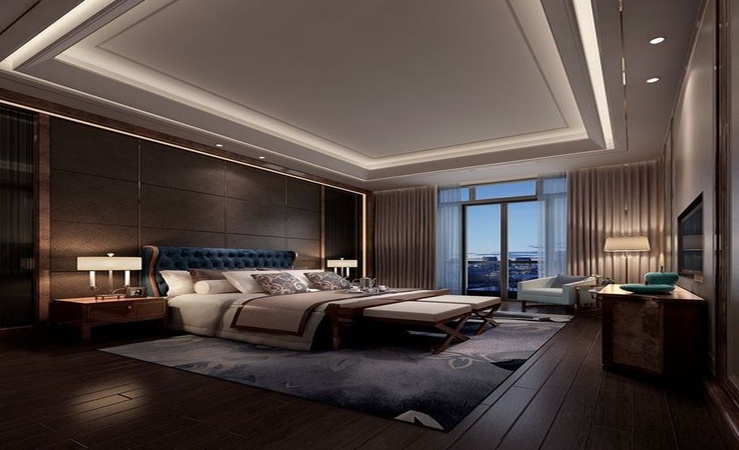
The Core Elements of Effective Residential Soundproofing
A successful setup works because several layers are combined in the right order. It starts with understanding how much space can be used for the wall or ceiling build-up. In apartments, a few centimeters matter, so every layer must be purposeful. Sound Krafted’s approach includes options for different budgets and room sizes, but the guiding principles remain the same.
Dense material is essential for reducing noise in room structures. Mass blocks airborne sound, and adding controlled spacing between layers reduces vibration transfer. Sealing gaps is another critical detail because any small opening can become a leak point. Even one loose electrical box or an unsealed corner can reduce overall performance. Homeowners often overlook these small gaps, but Sound Krafted’s installation process focuses on eliminating every sound path. That careful work is what ultimately makes a sound insulated room perform consistently.
Apartment Wall Soundproofing for Shared Buildings
The issue in apartments is the largest one because of shared walls. These walls tend to be either thin, hollow or constructed with materials that are not acoustically oriented. When the residents start seeking apartment wall soundproofing, they anticipate a drastic change without defining any significant construction. Sound Krafted offers solutions with a minimum of thickness but with greater isolation especially between bedrooms, living rooms and neighboring units.
It is normally a mixture of insulation, acoustical panels and isolation channels, depending on the type of the wall. The completed surface can be painted or adorned as any other wall hence nothing appears out of place. In many homes, even a single treated wall can bring noticeable improvement, especially when the noise source is localized. The objective is not only stopping the sound but also maintaining the aesthetic of the interior, something homeowners in both Pakistan and the UAE value highly.
Bedrooms Need a Different Soundproofing Strategy
Whenever individuals enter the query soundproof for bedroom, they are seeking a peaceful slumber and not total isolation. Bedrooms tend to be on bus roads, rooms of children, communal living rooms or loud neighbors. Due to the direct influence of sleep quality on disruptions caused by repeated disturbances, this room requires an additional residential soundproofing strategy.
Windows are a major noise entry point, even when they look solid. Sound Krafted offers upgraded sealed frames, laminated glass, and acoustic layering options that significantly reduce traffic or street-level noise. For interior walls, additional treatment ensures privacy between rooms. A bedroom should feel calm at any hour, and the design focuses on lowering the background noise to a point where it no longer interferes with rest.
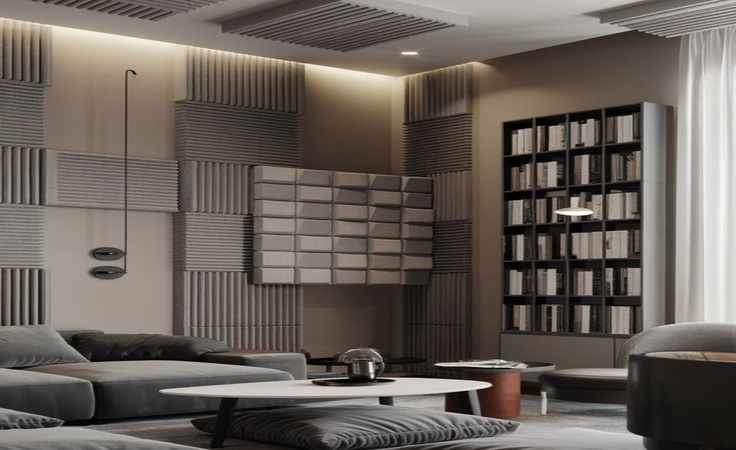
Creating a Proper Sound Insulated Room for Work or Study
More families now work from home or have children who need a quiet study environment. In such cases, regular wall upgrades may not be enough, especially if the goal is to create a room that isolates sound moving in both directions. A true sound insulated room needs independent layers, vibration separation, and controlled density.
The setup may include floating ceilings, specialized door seals, and upgraded wall structures. Sound Krafted tailors these elements based on the homeowner’s needs. For example, a home studio, gaming room, or private office might require stronger isolation because sound travels through both walls and structure. The finished space is not just quieter — it provides a controlled environment where concentration becomes easier and daily life disturbances are significantly reduced.
Managing Noise in Multi-Floor Homes
Villas and duplex houses in the UAE often face noise issues between floors rather than between neighbors. Footsteps, moving chairs, running children, and shifting furniture create impact noise that travels directly through the slab. Reducing this type of noise requires different methods compared to airborne sounds.
Padding alone will not be effective, and heavy carpets only provide surface-level improvement. Real residential soundproofing between floors involves impact isolation layers that reduce vibration transfer into the concrete. Sound Krafted integrates these layers beneath flooring systems or through ceiling treatments. The goal is to keep upper-floor movement from disrupting the living areas below. Families notice the difference immediately because the house feels calmer, even during active hours.
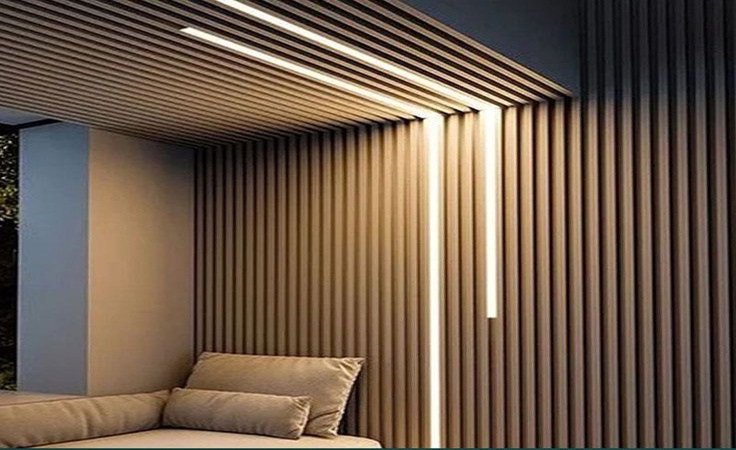
Sound Blocking Room Options for Home Theaters
Modern homes often include media rooms or small cinemas. These spaces generate loud sound levels that can easily spread into other rooms or disturb neighbors. When creating a sound blocking room for a home theater, the objective is two-way control: keep noise inside and prevent outside noise from interrupting the experience.
Sound Krafted applies the principles of layered wall placement, acoustic dooring and ceilings with vibration isolation to pursue this. The rooms are also tuned in such a way that the sound within the rooms is balanced and clear; an advantage to the home owners who love watching movies or playing games with maximum volume. Totaling residential soundproofing with the appropriate acoustic treatment would result in taking the space to a professional level without disrupting the rest of the household.
A Realistic Answer to “Can You Soundproof a Room Fully?”
Homeowners often ask this question because they want complete silence. The practical answer is that residential soundproofing can bring dramatic noise reduction, but “total silence” is rare and usually unnecessary. The aim is to lower unwanted noise to a point where daily life becomes comfortable again.
Sound Krafted provides honest expectations rather than unrealistic promises. Depending on the structure of the home, the surrounding environment, and budget, the team proposes solutions that deliver clear improvement and stay within the homeowner’s limit. The result is a space that feels peaceful, private, and controlled — and that is what most families actually want.
Why Sound Krafted Is the Right Partner for Home Soundproofing
The company’s experience across Pakistan and the UAE gives it a strong understanding of how buildings are constructed and where most noise leaks occur. Each residential soundproofing project is based on on-site assessment, material planning, and careful installation. Instead of relying on cheap panels or decorative fixes, the focus stays on long-term performance and clean finishing.
Homeowners trust Sound Krafted because the solutions don’t just reduce noise — they improve comfort, privacy, and livability. Whether the goal is reducing noise in room interiors, creating a quiet bedroom, or building a dedicated sound insulated room, the work is carried out with a practical, problem-solving approach. Every home is different, and the final installation respects that reality.