
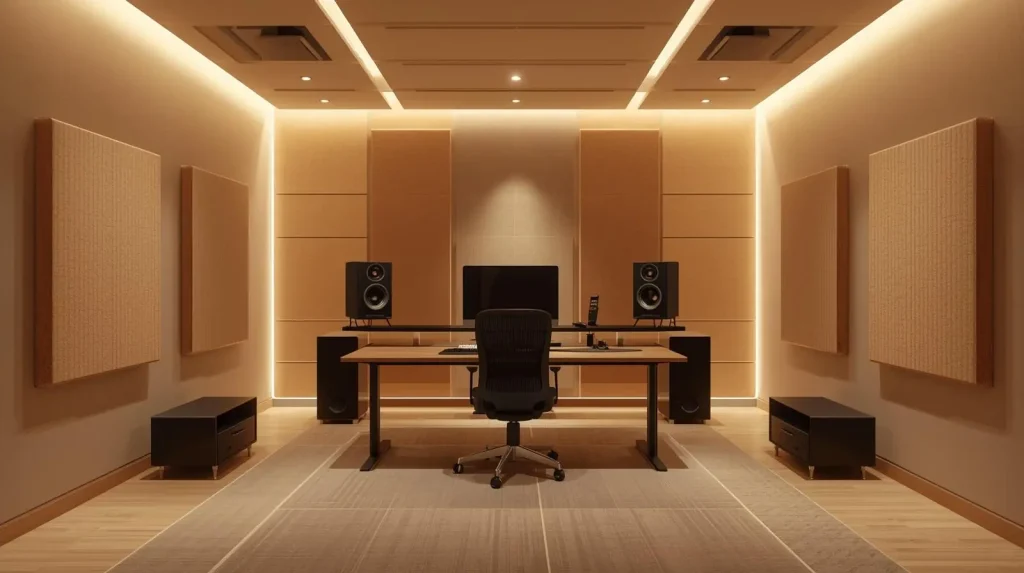
Creating high quality music is no longer limited to expensive commercial studios. Today many producers work from home, small project rooms or hybrid setups. Even with powerful software and advanced digital tools, one factor still separates amateur sounding tracks from professional results: proper acoustics. The way sound behaves inside a room directly affects every decision a producer makes, from recording vocals to mixing and mastering. Understanding and controlling acoustics is one of the most important investments in any studio environment.
This guide explores how acoustics improve music production quality, why untreated rooms create misleading sound, and how strategic acoustic treatment leads to cleaner mixes and more accurate monitoring. Whether you are a home studio creator or running a professional setup, the right acoustic design can transform your workflow and elevate your sound.
Why Acoustics Matter in Music Production
Music production relies on the ability to hear sound accurately. If the room changes or colors what you hear, your decisions become flawed. Proper acoustics ensure that what reaches your ears is a true representation of your recording and not the result of reflections or room distortion.
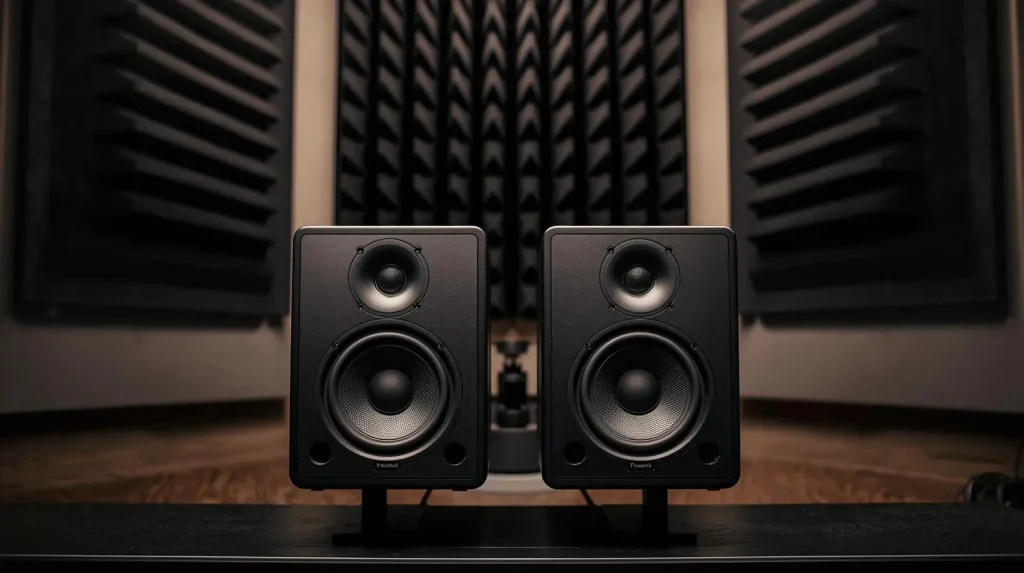
How Sound Behaves Indoors
When sound leaves your speakers, it travels outward and interacts with surfaces. Hard walls, windows, ceilings and floors reflect sound, while soft materials absorb or diffuse it. In an untreated room, these reflections mix with the direct sound which creates problems such as:
- Echoes and reverb buildup
- Frequency imbalances
- Standing waves and resonances
- Poor stereo imaging
- Reduced clarity during mixing
Producers hear these inaccuracies and compensate based on what their ears perceive, not the actual audio content. This is one of the main reasons why mixes done in untreated rooms often sound great in the studio but fall apart on headphones, car speakers or streaming platforms.
The Goal of Acoustic Treatment
Acoustic treatment aims to optimize how sound behaves inside a space. It is not about eliminating all reflections or turning a room completely dead. Instead, it focuses on creating a balanced, controlled environment that supports accurate listening. Proper acoustics help:
- Minimize problematic reflections
- Reduce low frequency buildup
- Improve stereo width and depth
- Create a consistent listening experience
- Enhance recording quality for vocals and instruments
When the room no longer distorts the audio, producers can trust what they hear and make confident decisions.
Key Acoustic Problems That Affect Production Quality
Understanding common acoustic issues helps producers identify what needs improvement.
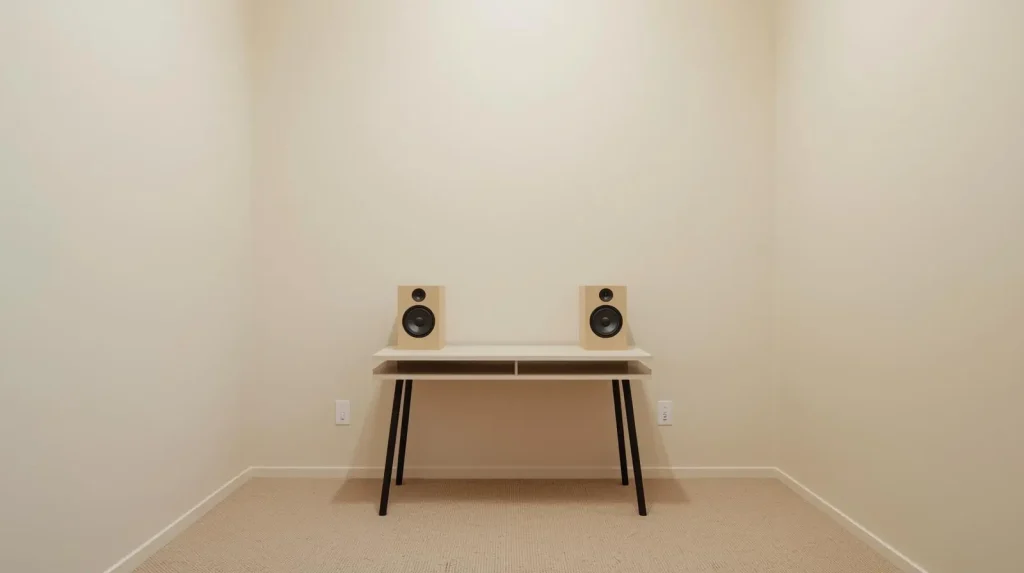
1. Reflections and Flutter Echo
Reflections occur when sound bounces between parallel surfaces like walls or ceilings. Rapid repeated reflections cause flutter echo which makes recordings sound harsh or metallic. During mixing, these reflections interfere with transients and mask details.
2. Standing Waves and Bass Buildup
Low frequencies behave differently from highs. They accumulate in corners and certain areas of a room, leading to boomy or weak bass depending on the listener’s position. This makes accurate low end mixing almost impossible.
3. Comb Filtering
When reflected sound combines with direct sound, it can create comb filtering. This produces peaks and nulls in the frequency response, making vocals or instruments sound hollow.
4. Poor Stereo Imaging
Sidewall reflections and asymmetrical room layouts affect how the left and right channels reach your ears. This results in inaccurate stereo placement, making panning decisions unreliable.
How Proper Acoustics Improve Music Production Quality
Proper acoustic treatment corrects these issues and gives producers a controlled listening environment.

More Accurate Monitoring
Accurate monitoring is the foundation of high quality music production. When your room is properly treated, what you hear is closer to the truth. This ensures that your mixes translate well across different speakers and environments.
Producers can then:
- Balance frequencies with confidence
- Hear subtle details like reverb tails and low level effects
- Detect phase issues early
- Apply EQ and compression more precisely
Better Recording Quality
A room with proper acoustics captures cleaner recordings. Vocalists sound more natural, instruments maintain their tonal integrity and the room adds minimal coloration.
Acoustic treatment also reduces the need for excessive editing or de-noising in post production, allowing artists to preserve a more authentic sound.
Improved Low Frequency Response
Bass traps and low frequency absorbers help control standing waves and reduce bass inconsistencies. With a balanced low end, producers can make clear decisions about kick drums, bass lines and sub frequencies. This prevents muddy mixes and ensures that tracks compete well on professional sound systems.
Enhanced Stereo Imaging and Depth
Acoustic panels placed at reflection points prevent early reflections from interfering with stereo playback. This improves:
- Left and right separation
- Depth perception
- Center image clarity
- Spatial effects such as reverb and delay
Producers can achieve wider and more immersive mixes without worrying about room artifacts.
Reduced Ear Fatigue
Untreated rooms often force producers to overcompensate for sound issues which leads to ear fatigue. A well treated environment provides smooth and consistent audio, allowing longer and more productive sessions.
Essential Acoustic Treatments for Music Production Rooms
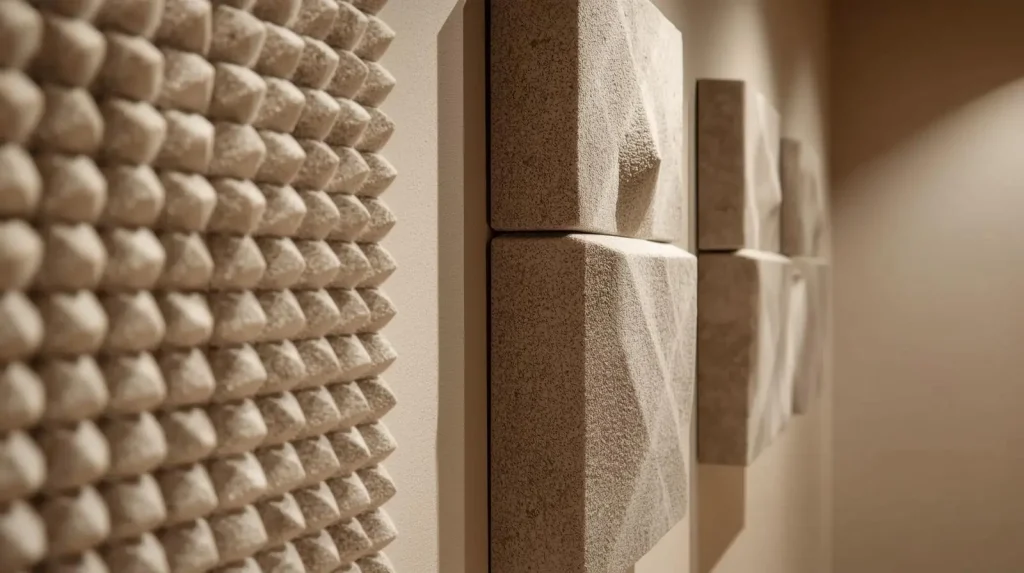
Absorption Panels
These panels absorb mid and high frequencies, reducing reflections. They are commonly placed at:
- Side reflection points
- Behind speakers
- Behind the listening position
- Large flat walls
Bass Traps
Bass traps absorb low frequencies and reduce standing waves. They are placed in corners and behind monitors to create a smoother bass response.
Diffusers
Diffusers scatter sound evenly rather than absorbing it. They help maintain natural room ambiance without causing echo buildup. Diffusers are useful for back walls or ceiling areas.
Acoustic Foam vs Professional Panels
Acoustic foam is often used in home studios, but it mainly absorbs high frequencies. Professional acoustic panels use denser materials for broader frequency control, making them more effective for serious production work.
Designing a Studio for Optimal Acoustics
Even small changes can significantly improve sound quality.
Symmetry Matters
Place your desk and speakers so that both sides of the room mirror each other. This helps achieve consistent stereo imaging.
Speaker Placement
- Form an equilateral triangle between your ears and the speakers
- Keep monitors at ear level
- Avoid placing speakers directly against walls
Listening Position
Sit at about 38 percent of the room length to avoid bass nulls.
Treat First Reflection Points
Use a mirror method to find where sound first bounces off walls and ceilings then install absorption panels in those areas.
Why People Trust Soundkrafted.com
Producers, studio owners and creators choose Soundkrafted because we provide high quality soundproofing materials and acoustic solutions designed for real world studio challenges. At Soundkrafted.com we deliver products that help control reflections, reduce noise transfer and create reliable acoustic environments for music production, podcasting and recording. Our solutions are used in home studios, professional rooms, rehearsal spaces and commercial facilities that demand accuracy and long term performance.
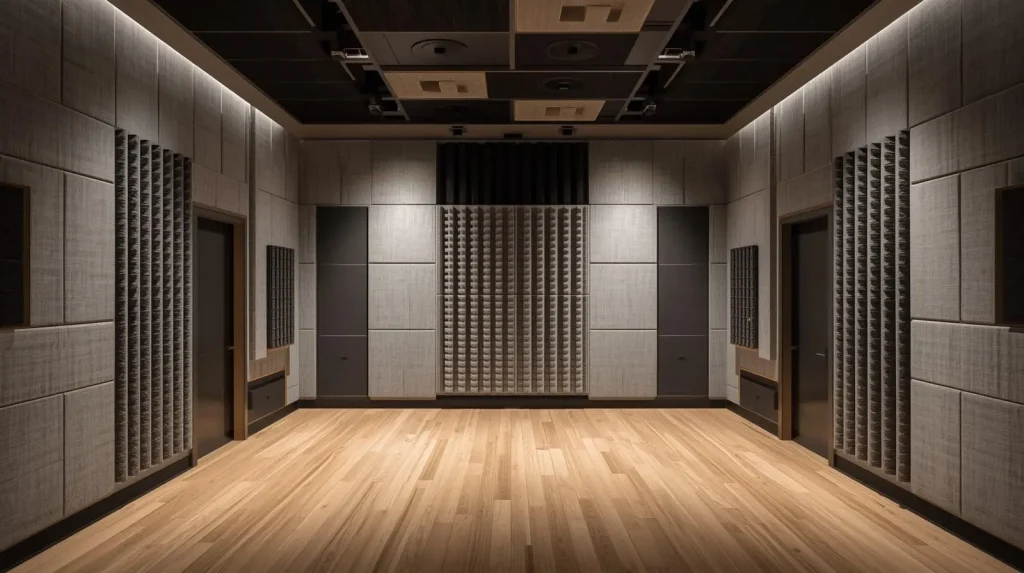
People trust Soundkrafted because our materials are engineered for durability and effectiveness. Whether you need bass traps, acoustic panels, diffusers or complete soundproofing setups, our products are created to improve clarity, reduce room distortion and enhance overall production quality. Our team also offers guidance on choosing the right treatment for your space which helps producers achieve optimal results without guesswork.
Conclusion and Call to Action
Proper acoustics are essential for achieving professional music production quality. They improve monitoring accuracy, reduce unwanted reflections, enhance low frequency control and create an environment where producers can make precise creative decisions. Untreated rooms introduce distortions that limit the potential of even the best equipment. Acoustic treatment is one of the most valuable investments you can make in your studio.
If you want to upgrade your recording or mixing space, explore effective acoustic treatment and soundproofing solutions at Soundkrafted.com. High quality sound starts with the right environment and Soundkrafted helps you build it.