
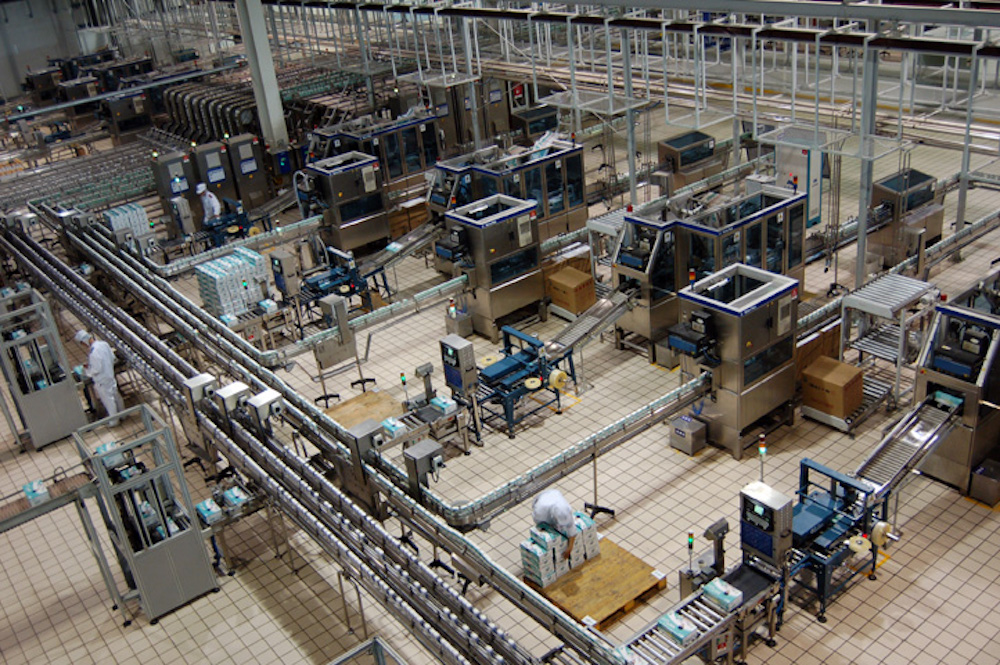
Industrial noise is one of the most common hazards in manufacturing environments. Excessive noise not only affects worker health but also reduces productivity, communication, and overall operational efficiency. According to health and safety standards, prolonged exposure to high decibel levels can lead to permanent hearing loss, stress, fatigue, and reduced concentration. This makes noise control not just a compliance requirement, but a moral and operational imperative.
In this comprehensive guide, we explore practical, effective strategies to reduce noise in factories. Whether you manage a large plant or a small workshop, these solutions can help you create a safer, quieter, and more productive facility.
Understanding Noise in Factories
What Is Industrial Noise?
Industrial noise is unwanted or harmful sound created by machinery, equipment, and operational processes. In manufacturing facilities, sources of noise may include:
- Heavy machinery (presses, shears, hammers)
- Motors, compressors, and pumps
- Conveyor systems
- Fans and blowers
- Cutting, grinding, and drilling tools
These sources combine to create an environment where noise levels often exceed safe limits. Constant exposure to sound above 85 decibels (dB) roughly equivalent to city traffic can be hazardous.
Why Noise Control Matters
High noise levels in factories can lead to:
- Hearing loss and tinnitus
- Worker stress and fatigue
- Communication difficulties
- Reduced focus and accidents
- Lower overall productivity
Beyond health effects, noise pollution impacts compliance with regulatory standards set by organizations like OSHA, ISO, and local health authorities. Noise control safeguards employees and protects your business from legal and financial risks.
Assessing Factory Noise Levels
Conducting a Noise Audit
Before implementing solutions, you must understand the existing noise landscape. A noise audit documents sound levels across the facility to identify hotspots and critical sources.
A typical noise audit includes:
- Sound level measurements at different locations and times
- Identifying primary noise sources
- Assessing worker exposure durations
- Comparing results with occupational standards
Use calibrated sound level meters or dosimeters to measure noise. Tools like smartphone apps can provide quick insights but are not substitutes for professional measurements.
Mapping Noise Hotspots
Once data is collected, create a noise map of your factory. Color-coded diagrams show areas of high decibel levels. This helps prioritize interventions where they are needed most.
Practical Methods to Reduce Noise
Effective noise reduction in factories involves a combination of engineering controls, administrative controls, and personal protective equipment (PPE). Let’s explore each group.
Engineering Controls: Reducing Noise at the Source
Engineering controls address noise where it originates.
1. Equipment Maintenance
Regular maintenance keeps machines running smoothly and quietly. Worn parts, loose components, and vibration all increase noise output.
Key maintenance practices include:
- Lubricating moving parts
- Tightening loose bolts and fittings
- Replacing worn components
- Balancing rotating equipment
Proper maintenance improves machine lifespan and lowers noise.
2. Noise-Reducing Machine Upgrades
Replacing outdated equipment with quieter, modern alternatives can make a major impact. Many newer machines are designed with built-in noise control features.
Examples include:
- Low-noise motors
- Better-designed gears
- Mufflers for pneumatic devices
While upfront costs may be higher, long-term gains in safety and productivity justify the investment.
3. Isolation and Enclosures
Machine Enclosures
Enclosures surround noisy equipment with sound-absorbing materials. They trap and reduce sound before it spreads. Enclosures are especially effective for presses, generators, and compressors.
Best practices:
- Use materials with high sound absorption coefficients
- Ensure accessibility for maintenance
- Seal gaps to prevent sound leakage
Vibration Isolation
Many machines transmit noise through structural vibration. Use anti-vibration mounts, pads, or springs to reduce this transfer. Isolation reduces noise and protects adjacent structures.
Acoustic Treatments: Controlling Noise Pathways
Acoustic treatments reduce noise through absorption, diffusion, and barriers.
1. Installing Acoustic Panels
Acoustic panels absorb sound waves, reducing reverberation and echo. Install these on:
- Walls
- Ceilings
- Around machinery
Materials such as fiberglass and foam are excellent sound absorbers.
2. Using Barriers and Baffles
Barriers block the direct path of sound. These can be permanent walls or mobile partitions. Baffles hang from ceilings to interrupt sound travel.
Use barriers to separate noisy zones from quiet work areas.
3. Floor and Surface Treatments
Hard surfaces reflect sound. Adding rubber mats, carpets, or sound-dampening tiles can reduce reflections and overall noise.
Administrative Controls: Managing Human Exposure
Where complete noise elimination is not feasible, administrative controls limit exposure.
1. Scheduling and Shift Planning
Arrange noisy operations during shifts with fewer employees. Staggering noisy tasks helps reduce the number of workers exposed at any given time.
2. Rotating Workers
Rotate staff to limit how long each person is exposed to high noise levels. Shorter exposure times help protect hearing.
3. Signage and Awareness
Post clear signs in noise-hazard zones. Train workers about:
- Noise risks
- Safe distances
- PPE usage
Awareness encourages safer behavior and compliance.
Personal Protective Equipment (PPE)
When noise cannot be fully controlled, provide appropriate PPE.
1. Hearing Protection Devices
Options include:
- Earplugs — lightweight, cost-effective
- Earmuffs — comfortable and easy to use
- Custom molded protectors — high fit and comfort
Choose PPE based on noise levels and worker preferences.
2. Training and Fit
Provide training on:
- Correct insertion/placement
- Cleaning and maintenance
- When to replace
Proper usage maximizes protection.
Advanced Noise Control Technologies
Modern technologies can enhance noise reduction results.
1. Active Noise Control
Active noise cancellation (ANC) systems emit sound waves that cancel problematic noise. While common in headphones, industrial ANC is growing, particularly in enclosed spaces or machinery cabins.
2. Smart Sensors and Monitoring
Wireless sensors can continuously monitor noise levels in real time. Alerts warn supervisors when thresholds are exceeded, enabling fast action.
3. Predictive Maintenance with IoT
Integrating IoT devices helps predict when a machine is likely to generate excessive noise due to wear or imbalance. Early detection supports proactive maintenance.
Benefits of an Effective Noise Control Program
Investing in noise reduction delivers benefits beyond safety:
1. Health and Safety Improvement
Lower noise means fewer cases of hearing loss, stress, and fatigue. Workers enjoy a healthier work environment.
2. Better Communication
Quieter environments improve verbal communication, reducing errors and accidents.
3. Higher Productivity
Noise distractions decrease focus. Reducing noise allows workers to concentrate better, improving efficiency.
4. Regulatory Compliance
Meeting noise exposure standards avoids fines and legal consequences. It demonstrates corporate responsibility.
5. Employee Satisfaction
A safer, quieter workplace boosts morale and retention. Employees feel valued when their well-being is prioritized.
Challenges and Solutions
Challenge: High Implementation Cost
Solution: Prioritize based on impact. Start with low-cost solutions like maintenance and PPE, then expand to acoustic treatments and upgrades.
Challenge: Production Disruptions
Solution: Plan installations during downtimes or maintenance periods to minimize disruption.
Challenge: Measuring ROI
Solution: Track metrics such as:
- Decrease in measured decibel levels
- Reduced complaints
- Injury or incident rates
- Productivity figures
This data demonstrates the value of noise control measures.
Case Studies: Successful Noise Reduction
Case Study 1: Automotive Parts Factory
A large parts manufacturer faced employee complaints about high noise near stamping presses. After implementing:
- Machine enclosures
- Anti-vibration mounts
- Acoustic wall panels
Noise levels dropped by 8-12 dB. Worker feedback improved, and absenteeism decreased.
Case Study 2: Food Processing Plant
In a food processing facility, conveyors and grinders caused frequent communication issues. The company introduced:
- Better maintenance routines
- Strategic scheduling of loud operations
- Barrier walls between sections
This reduced noise interference and improved workflow coordination.
Measuring Success
Regularly measure and review your noise control program.
1. Re-Audit Noise Levels
Conduct annual or biannual noise audits. Compare results to previous data to measure progress.
2. Employee Feedback
Collect feedback through surveys or safety meetings. Workers often notice problems before machines do.
3. Safety and Compliance Records
Track injury rates, hearing evaluation results, and compliance reports to assess improvement.
Conclusion
Reducing noise in factories is essential for worker health, safety, and productivity. Whether through engineering controls, acoustic treatments, administrative strategies, or advanced technologies, every step toward a quieter workplace creates a safer, more efficient environment. With proper assessment, planning, and execution, noise control can transform a noisy factory into a more productive and worker-friendly facility.
Investing in noise reduction is not just compliance it’s good business.