
Courtroom Audio-Visual Solutions
Introduction to Courtroom Solutions
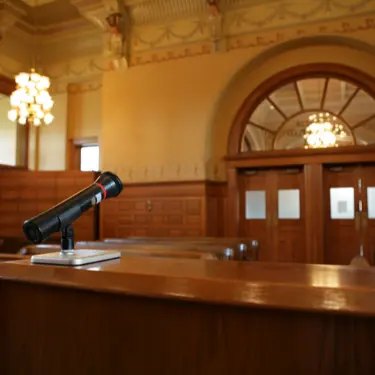
Courtrooms are highly sensitive and structured environments where accuracy, clarity, and reliability are essential to the justice process. Every spoken word, legal argument, and testimony must be captured and transmitted without error. SoundKrafted delivers professional courtroom audio-visual solutions specifically designed to support judicial proceedings, secure communication, and precise legal documentation in modern court facilities.
By integrating proven and globally trusted technologies from TAIDEN and Dahua, SoundKrafted ensures stable information transmission, high-quality audio capture, and seamless system control throughout court sessions. Our solutions support clear speech reinforcement, recording, evidence presentation, and controlled access helping courts maintain procedural integrity and transparency. Engineered for long operating hours and high-stakes use, SoundKrafted’s courtroom AV systems provide dependable performance that enables judges, attorneys, and court officials to focus on fair and efficient proceedings without technical disruption.
Importance of Reliable Communication
Legal proceedings rely heavily on clear communication, accurate documentation, and dependable system performance. Every statement, argument, and testimony must be heard clearly and recorded precisely to ensure fairness and procedural integrity. Any disruption in audio quality or system functionality can lead to misinterpretation, incomplete records, or delays that may impact judicial outcomes and case resolution.
SoundKrafted delivers courtroom communication systems designed to maintain clarity, stability, and uninterrupted operation throughout hearings, trials, and extended court sessions. Our solutions ensure precise voice capture, consistent audio distribution, and reliable system control under demanding conditions. By prioritizing reliability and accuracy, SoundKrafted helps judicial institutions uphold transparency, maintain proper legal records, and conduct proceedings with confidence and efficiency.
Clear Speech Intelligibility
Ensures judges, lawyers, and participants are heard clearly at all times.
Stable & Secure Transmission
Maintains interference-free and protected audio-visual signals.
Reliable Performance for Long Sessions
Designed for extended court proceedings without technical interruption.
Courtrooms as a Core Component of Conference Solutions
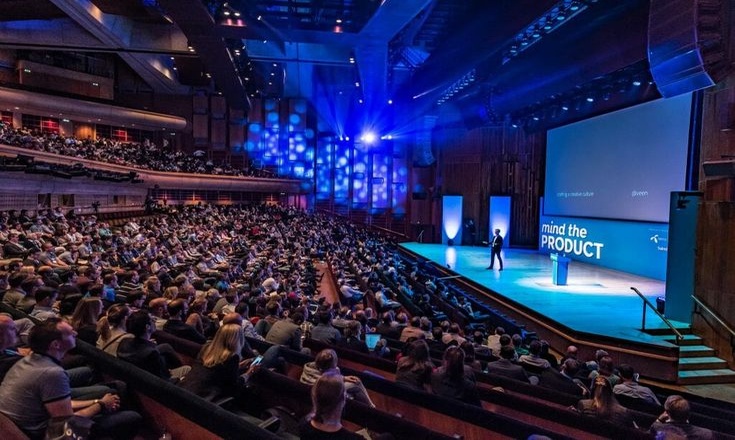
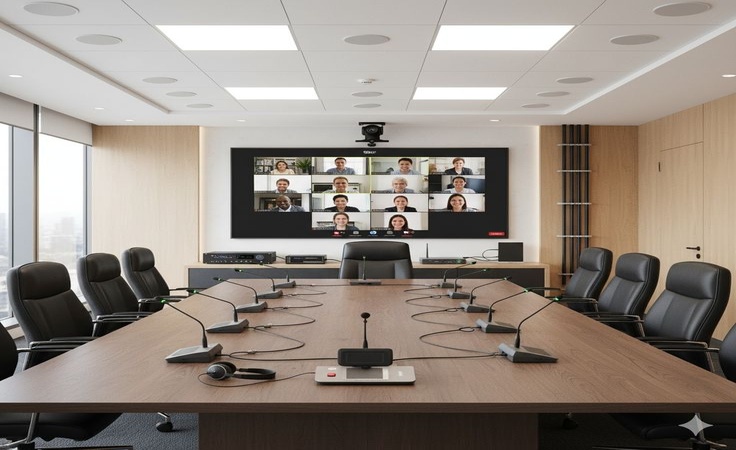
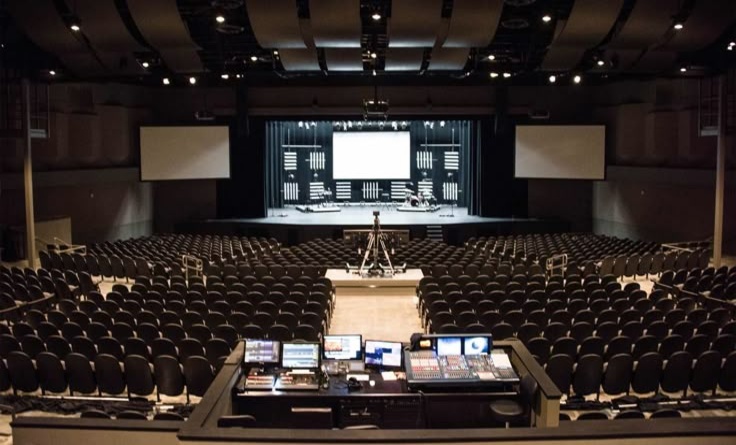
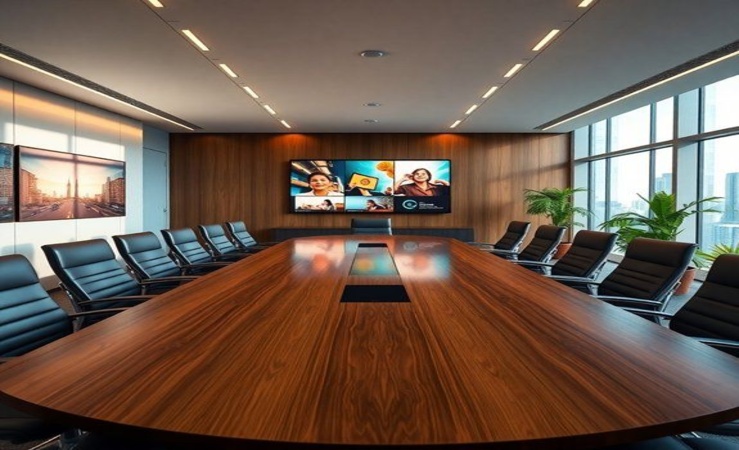
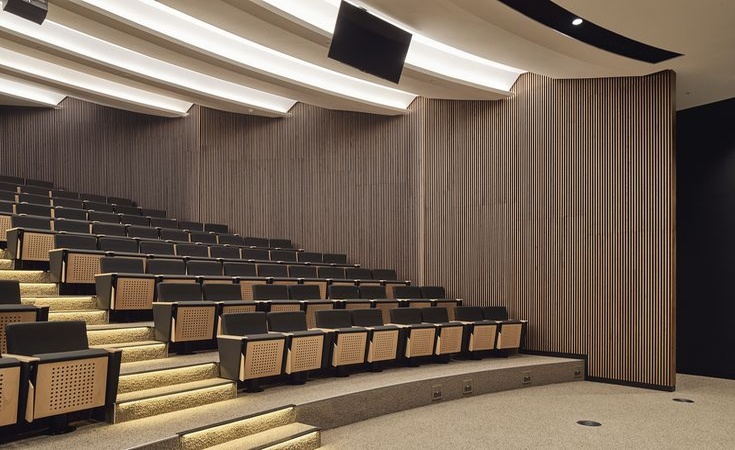
Within SoundKrafted’s Conference Solutions portfolio, courtrooms represent one of the most technically demanding and sensitive application environments. Positioned alongside parliaments, city councils, auditoriums, and high-level summit venues, courtroom solutions require exceptional accuracy, structured communication workflows, and uncompromising system reliability. These environments demand complete control over audio, recording, and presentation systems to support formal legal procedures.
SoundKrafted’s courtroom solutions are engineered to meet the strict operational, security, and documentation standards of judicial institutions. By ensuring precise audio capture, stable system performance, and secure information handling, our solutions support fair hearings, accurate records, and transparent proceedings. This professional approach demonstrates how advanced conference technology can be adapted to serve the unique requirements of the justice system while maintaining long-term reliability and institutional trust.





Application Areas & Use Cases
- Courtrooms and judicial chambers
- Magistrate and district courts
- Hearing and trial rooms
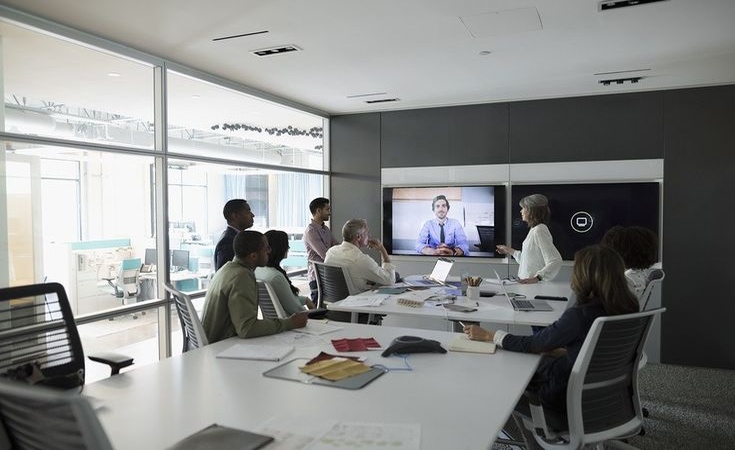
- Hybrid and recorded court proceedings
Integrated System Overview
Conference & Judicial Systems
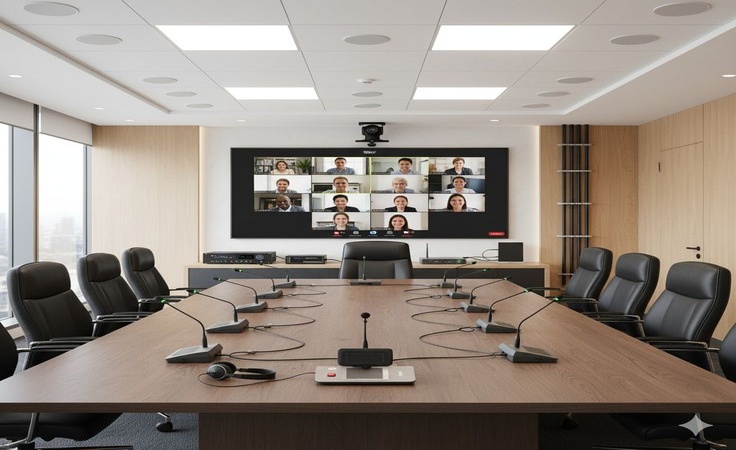
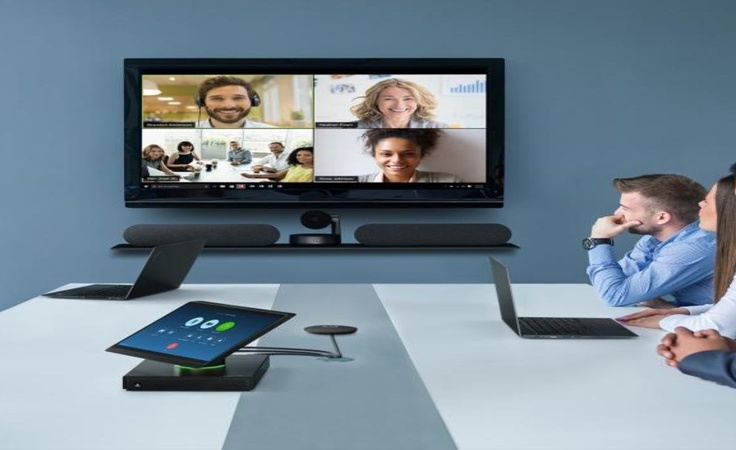
Wired premium, wired compact, or multimedia conference systems—powered by TAIDEN technology—support managed speaking rights, session control, and structured proceedings.
Audio Capture & Recording
High-performance condenser and gooseneck microphones ensure accurate audio capture for transcription, evidence recording, and official records.
Visual Documentation & Monitoring
Professional cameras and monitoring solutions supported by Dahua technology enable visual documentation of proceedings where required.
Central Control & Switching Systems
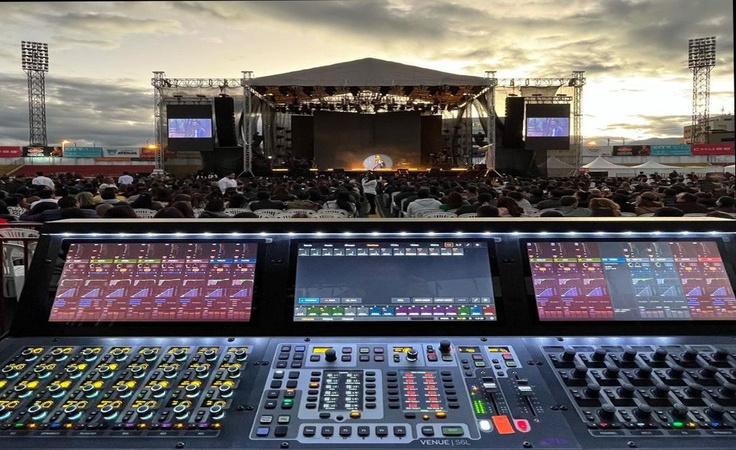
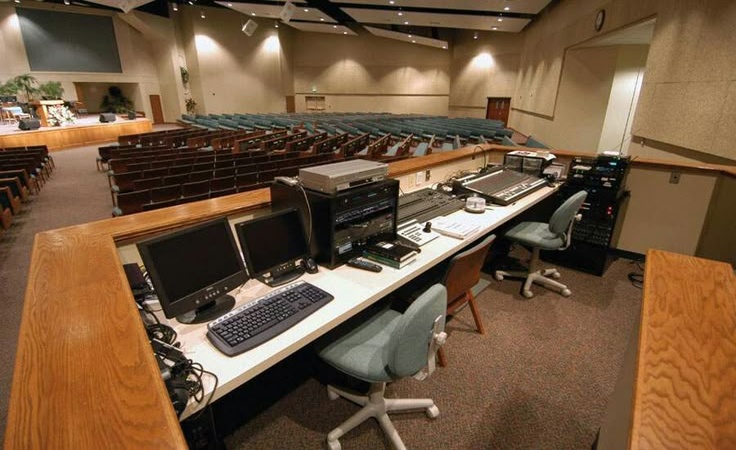
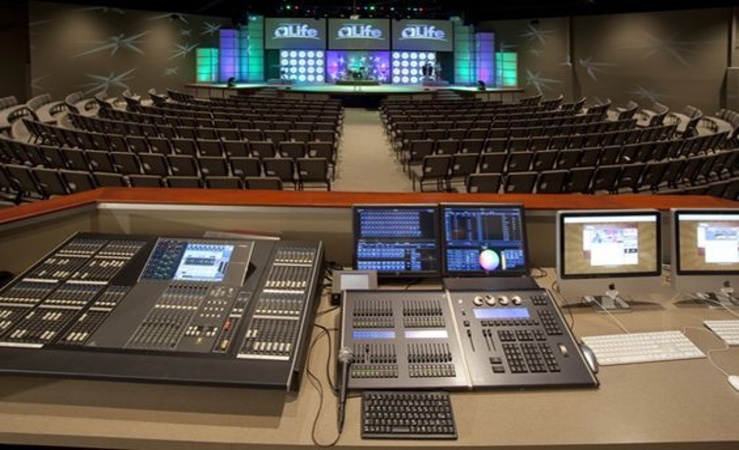
Central control units and matrix switchers manage complex audio-visual routing, recording workflows, and system automation.
Seamless conferences, world‑class brands — Soundkrafted delivers excellence.
Why Choose Us – Your Trusted Partner in
Sound & Conference Solutions
Global Brand Partnerships
Official provider of Bosch, Taiden, Dahua Display, FBT, Atlas Sound & Vision, Genelec, and Venues.
Comprehensive Solutions
From soundproofing to digital conference systems, we deliver complete audio and acoustic services under one roof.
25+ Years of Experience
Decades of expertise in professional sound, acoustics, and communication technology across diverse industries.
Certified Professional Team
SMPTE‑trained engineers and specialists ensuring international standards and precision in every project.
Wide Industry Coverage
Serving corporate, government, education, healthcare, retail, and entertainment sectors with specialized solutions.
Client Satisfaction First
Transparent processes, responsive support, and a commitment to exceeding customer expectations.