
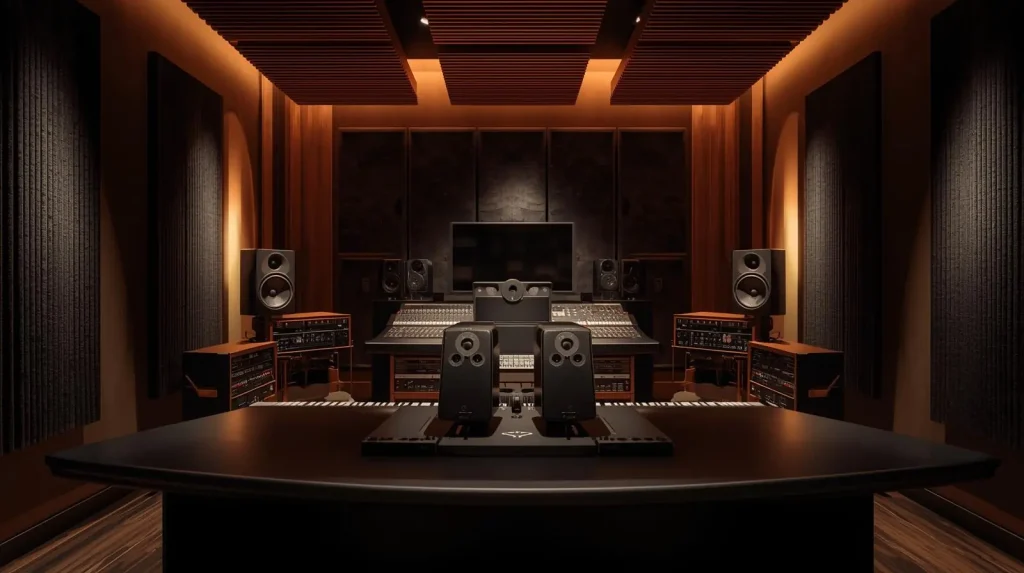
Creating a high performing recording studio begins with one essential element: soundproofing. No matter how talented the artist or how advanced the equipment, a studio cannot deliver professional results without controlling sound transmission and managing reflections inside the room. Many studio owners learn this the hard way. Real success stories show that with the right soundproofing strategy even challenging spaces can be transformed into acoustically controlled environments that support clear, high quality recordings.
The following case studies highlight practical examples of successful recording studio soundproofing. Each one demonstrates specific challenges, solutions, and outcomes that can help guide anyone planning a new studio or upgrading an existing space.
Understanding What Makes Studio Soundproofing Successful
Before diving into specific examples, it helps to understand the goals of effective recording studio soundproofing. While every room is different, successful projects share a common foundation. They focus on:
- Reducing noise entering from outside
- Preventing internal sound from leaking out
- Controlling internal reflections that degrade recording quality
- Choosing materials that address both isolation and acoustics
- Designing with long term performance in mind
With this in mind, let’s explore real world soundproofing success stories and the strategies that made them work.
Case Study 1: Converting a Residential Basement into a Professional Home Studio
Challenge:
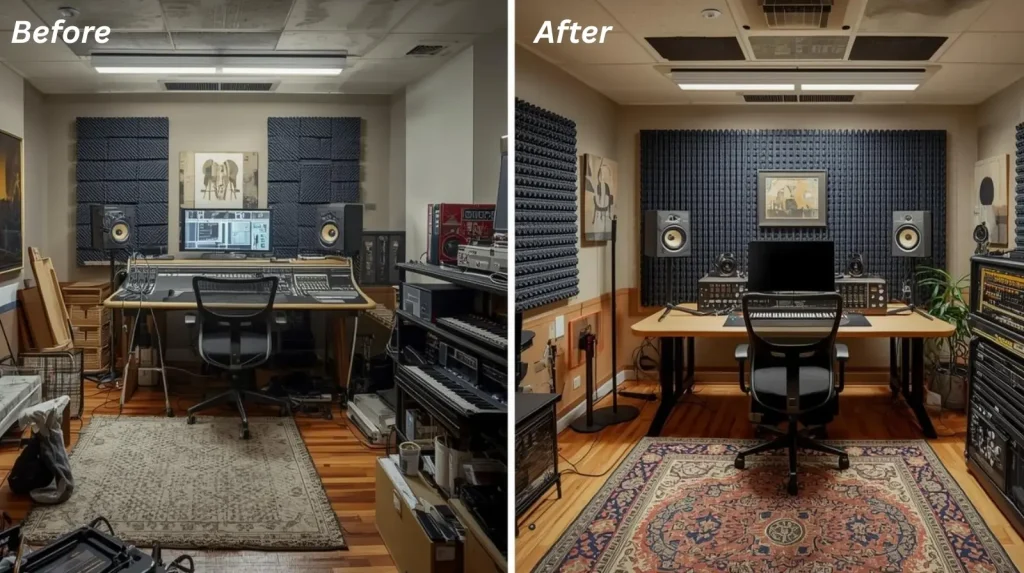
A music producer wanted to convert a 300 square foot basement into a fully functional recording studio. Unfortunately, the space had significant issues. Noise from the upstairs living area leaked downward, while low frequency instruments like bass and kick drums caused complaints from family members.
Solutions Implemented:
The project began with a full assessment of structural weaknesses. The following steps played a key role in achieving proper isolation:
Building a Room Within a Room
Constructing a decoupled inner frame created separation from the main house structure. This method significantly reduced vibration transfer.
- Independent wall framing
- Floating floor using anti vibration isolators
- Resilient channel installation on ceilings
Using High Density Soundproofing Materials
To achieve proper mass and density, multiple layers were added.
- Double 16 mm drywall with acoustic damping compounds
- Mineral wool insulation between wall studs
- Acoustic door seals and soundproof door installation
Managing Internal Acoustics
The studio required clarity for vocals and instruments.
- Broadband absorbers treated early reflection points
- Bass traps were added to all corners
- Diffusers introduced balance in high frequency reflection
Outcome:
The finished basement studio achieved more than 60 percent reduction in sound entering the room. Low frequency isolation improved dramatically, making night time recording possible without disturbing family members.
Case Study 2: Soundproofing a Commercial Recording Studio Near a Busy Road
Challenge:
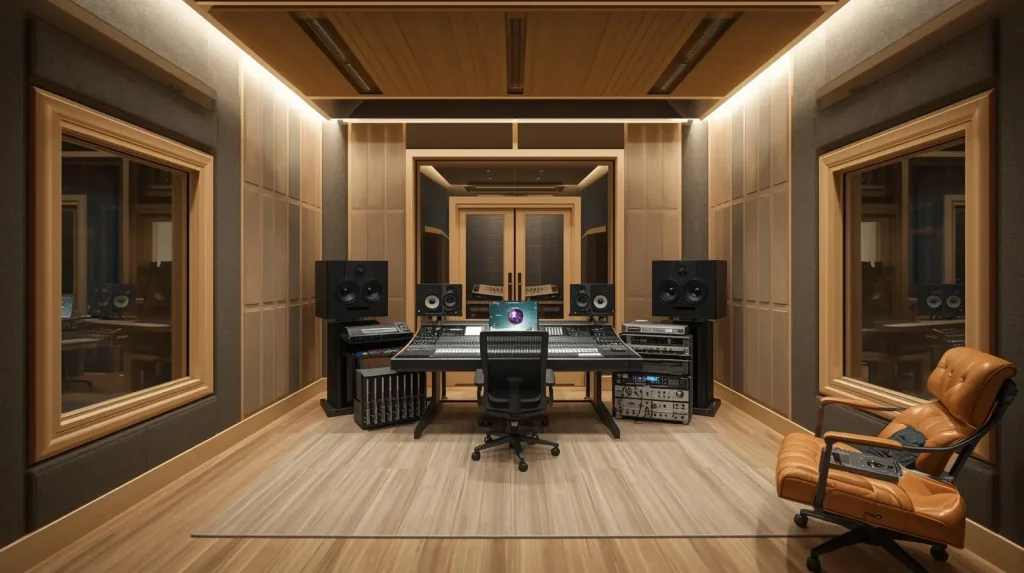
A professional studio located next to a high traffic street struggled with constant vibration noise, honking, and engine rumble. The existing structure had thin walls and single pane windows that allowed sound leakage.
Solutions Implemented:
Upgrading Walls and Adding Mass
To stop external noise, the construction team added layers to the existing structure.
- Triple layer drywall with acoustic glue between sheets
- Dense mass loaded vinyl applied to internal wall surfaces
- Rockwool insulation to fill air gaps
Window Soundproofing
Windows were one of the biggest weaknesses.
- Secondary acoustic window systems installed inside original frames
- Air tight seals added to prevent leaks
- Heavy acoustic curtains used to reduce mid and high frequency noise
Floor Vibration Control
Road vibration travelled through the ground and into the studio floor.
- Rubber isolation pads added beneath the flooring
- Floating floor construction reduced structure borne noise
Outcome:
After upgrades, external noise levels dropped significantly. Honking and low frequency rumble were nearly eliminated. The studio achieved a stable recording environment suitable for commercial work.
Case Study 3: Transforming a Warehouse into a Multi Room Recording Facility
Challenge:
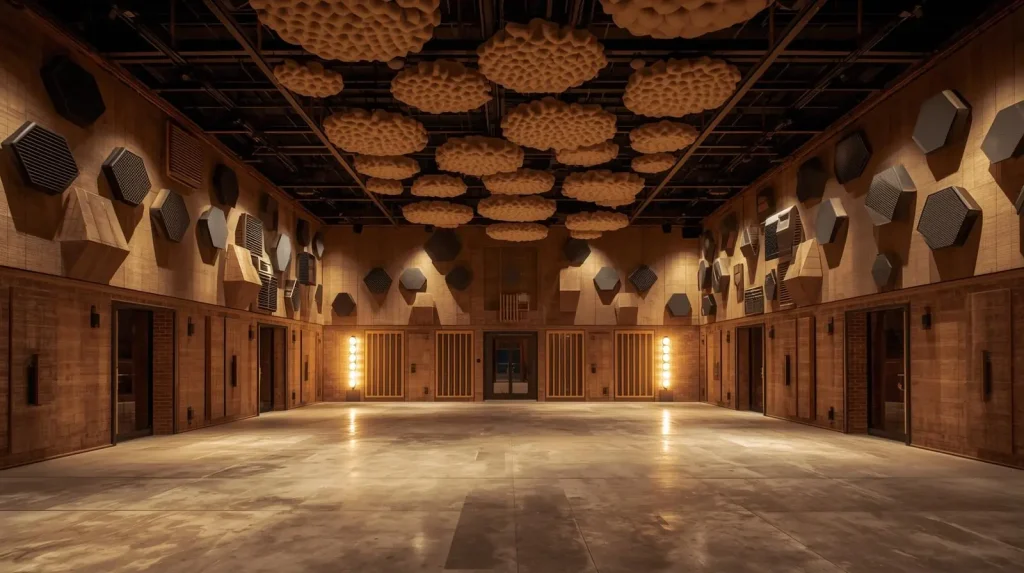
A growing production company acquired an empty warehouse and needed to convert the open space into a multi room facility with vocal booths, control rooms, and a live room for drums. The biggest challenge was sound transmission between rooms.
Solutions Implemented:
Designing Dedicated Rooms with Complete Decoupling
Each room was treated as an independent space.
- Staggered wall assemblies to avoid shared contact points
- Thick insulated walls with alternating stud design
- Separate HVAC ducts with acoustic silencers
- Acoustic doors rated for high STC performance
Ceiling and Roof Treatments
Warehouses often have thin metal roofs that reflect sound inside.
- Acoustic clouds installed to reduce reflections
- Heavy damping layers applied to roof panels
- Decoupled ceiling frames with mineral wool absorption
Creating an Internal Sound Signature
Because each room had a different recording purpose, each required unique treatment.
- The drum room received deep bass traps and diffusers
- Vocal booths used broadband absorption for clean vocals
- Control rooms were built with symmetrical reflection free zones
Outcome:
The facility achieved excellent room to room isolation. Multiple sessions could occur simultaneously without bleed. The live room delivered a warm, controlled sound ideal for acoustic and percussion recording.
Case Study 4: Upgrading an Apartment Studio for a Professional Producer
Challenge:
A producer working in a rented apartment struggled with noise complaints from neighbors. Complete construction was not possible due to rental restrictions, so the solution had to be removable and modular.
Solutions Implemented:
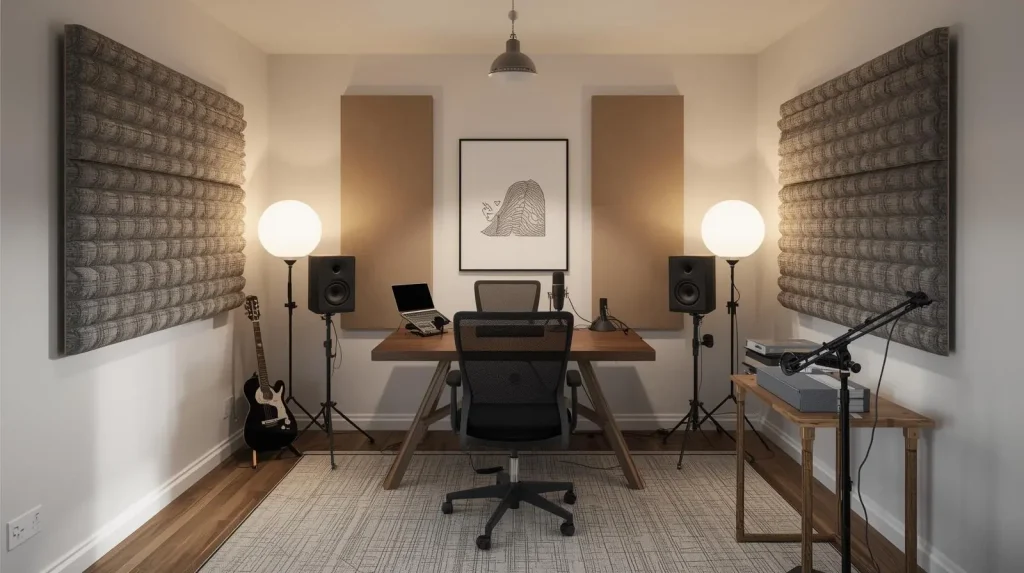
Modular Soundproof Panels
Portable wall panels were created using high density insulation and fabric covering. These panels reduced echo and blocked direct sound transmission.
Door and Window Sealing
Simple but effective improvements included:
- Door sweep installation
- Automatic sealing gaskets
- Temporary double window panels
Portable Vocal Booth
A foldable vocal booth allowed the producer to record clean vocals without permanent construction.
Outcome:
Noise complaints decreased, and the producer achieved cleaner recordings while still following landlord restrictions. The space could be packed down quickly when moving out.
What These Case Studies Reveal About Successful Studio Soundproofing
Across all projects, several core principles consistently lead to success:
- Isolation requires mass and decoupling
- Low frequency control must be prioritized
- Every room has different acoustic needs
- Air gaps and leaks are major weak points
- Quality materials yield long term results
- Professional planning prevents costly mistakes
By combining proper construction methods, acoustic treatment, and smart design choices, any space can become a high quality recording environment.
Why People Trust SoundKrafted.com for Studio Soundproofing
Building or upgrading a recording studio can be overwhelming. Many studio owners struggle with noise problems, poor acoustic performance, and materials that fail to achieve the right level of isolation. This is why so many people choose SoundKrafted.com for reliable soundproofing materials and services.
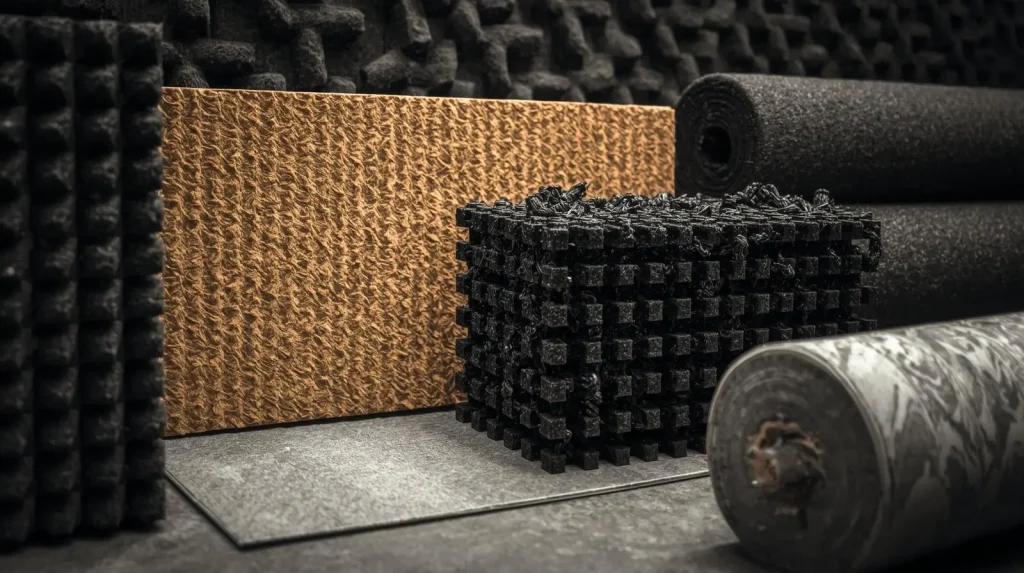
At SoundKrafted.com, we specialize in complete soundproofing solutions for recording studios, home theaters, offices, commercial buildings, and more. Our customers choose us because:
- We provide high quality soundproofing materials that meet industry standards
- Our team offers guidance on the best methods for controlling noise and improving acoustics
- We support DIY owners, professional builders, and full scale studio installations
- We help clients reduce sound leakage, improve clarity, and create better recording environments
- Our solutions are designed for long term durability and real world performance
- We offer tailored recommendations for different spaces instead of one size fits all products
Whether you are building a home studio or an advanced commercial facility, our expertise helps you achieve professional results efficiently and cost effectively.
Conclusion and Call to Action
These case studies show that successful studio soundproofing is possible in any type of space. From basements to warehouses, the right combination of materials, design, and acoustic treatment can transform a room into a professional recording environment. The key is understanding how noise travels, identifying weak spots, and applying solutions that balance isolation with internal sound quality.
If you are planning a studio project or upgrading an existing space, visit SoundKrafted.com to explore soundproofing materials and expert guidance. With the right support, you can build a studio that performs at the level your creativity deserves.