
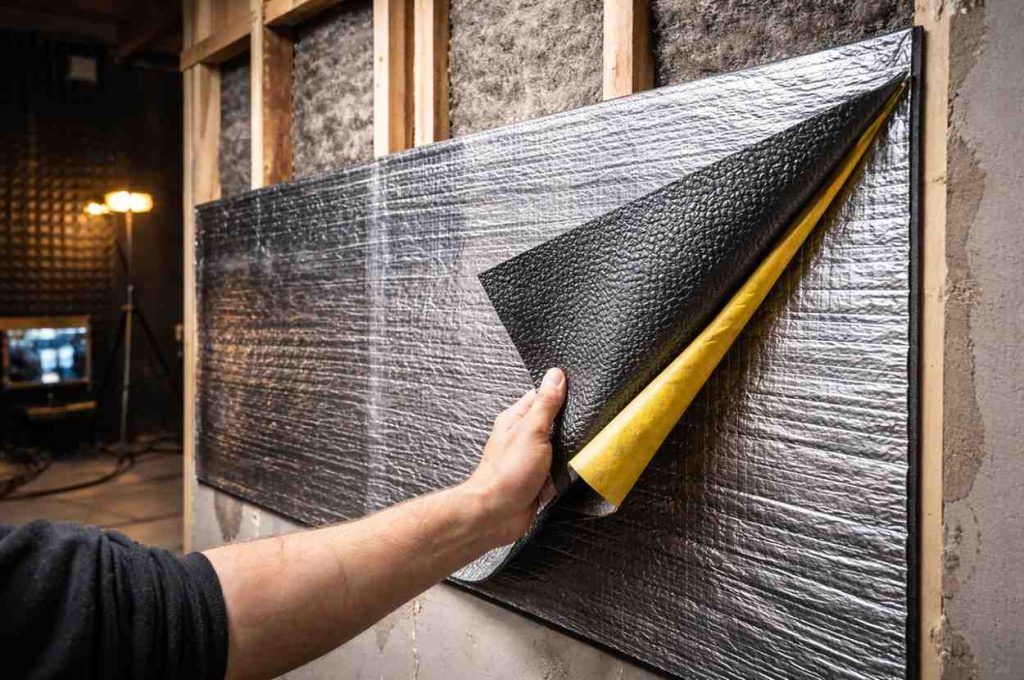
Sound dampening sheets have become a core element in modern commercial and industrial acoustic design. In offices, studios, IT parks, conference facilities, and technical environments, noise control is no longer optional. It directly affects productivity, communication quality, and professional image. That is why sound dampening sheets are now used as a foundation layer in advanced sound isolation systems.
Unlike basic soundproof panels or soundproof sheets that mainly block noise, These sheets work at the vibration level. They stop surfaces from resonating and spreading sound. When vibration is controlled, noise naturally decreases. This approach delivers more stable and predictable acoustic performance.
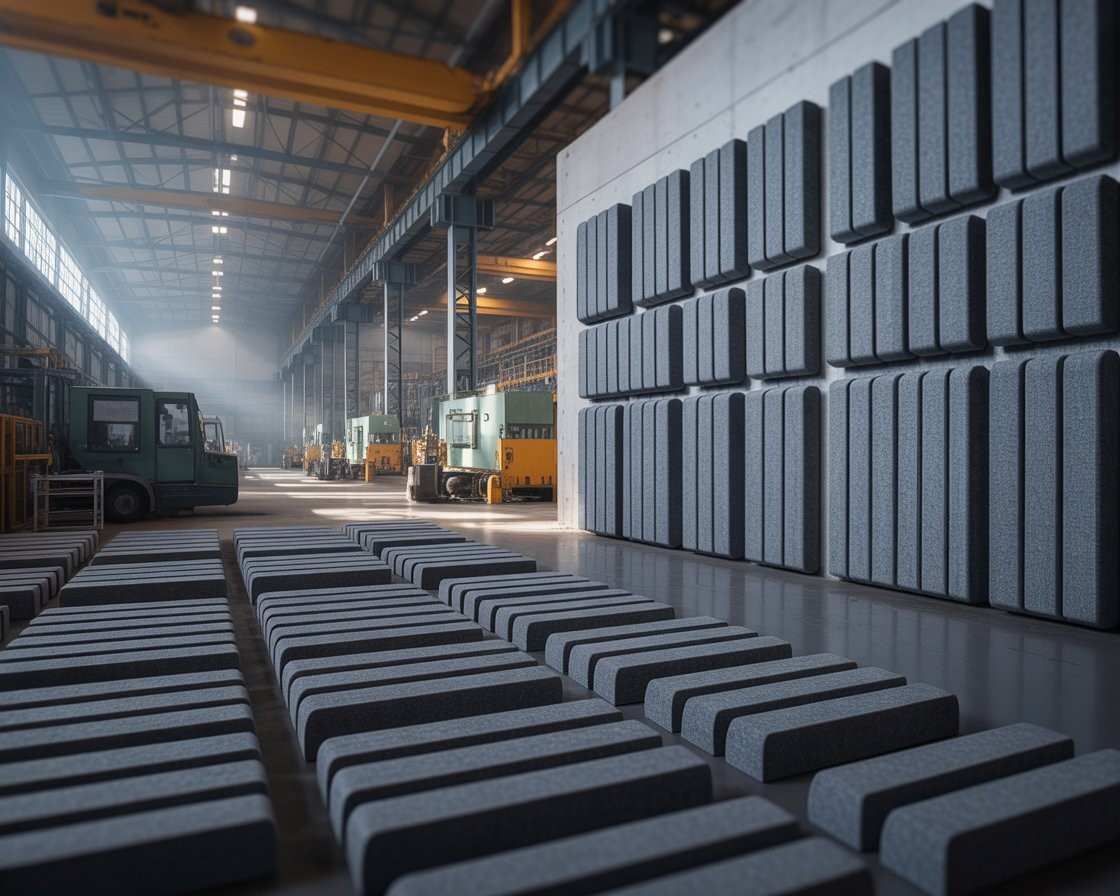
In professional projects, noise is treated as a technical issue, not a cosmetic one. Sound dampening sheets solve that issue at its source. They quietly strengthen the entire acoustic structure of a space without altering its design or layout.
What Are Sound Dampening Sheets?
Sound dampening sheets are flexible, high-density materials engineered to absorb structural vibration. They attach directly to surfaces that vibrate when exposed to sound or mechanical movement. Their role is not to block sound completely, but to reduce resonance so that sound energy does not multiply.
They are typically manufactured from:
- Butyl rubber compounds
- Viscoelastic polymers
- Composite damping layers
These materials convert vibration energy into very small amounts of heat. As a result, noise transmission drops significantly.
Sound dampening sheets are applied on:
- Metal panels and enclosures
- Drywall partitions
- Machinery housing
- Equipment cabinets
- Technical wall structures
They are often used alongside sound insulation materials, acoustic wall panels, and sound isolation systems to create full-scale acoustic solutions.
Why Vibration Control Is the First Step in Noise Management
Most people assume sound only travels through air. In reality, vibration travels through walls, floors, frames, and even ceilings. These surfaces amplify sound if left untreated.
Sound dampening sheets stop that amplification. They reduce the energy that turns vibration into noise. This makes them essential in environments where:
- Speech clarity matters
- Equipment operates continuously
- Technical audio quality is required
- Privacy must be protected
Without vibration control, even the best sound insulation system performs below its potential.
How Sound Dampening Sheets Work in Professional Spaces
The working principle is simple but powerful.
- Sound or movement causes surface vibration
- The sheet absorbs that vibration
- Energy is dissipated internally
- Noise level drops
This is why these sheets are commonly installed behind:
- Acoustic office partitions
- Acoustic booth office structures
- Conference room wall panels
- Audio visual solutions equipment mounts
- Digital conference system installations
They ensure that vibration from screens, speakers, and mechanical fixtures does not interfere with sound clarity.
Sound Dampening vs. Soundproofing: Understanding “What Is Soundproofing”
Many clients ask, what is soundproofing, and how it differs from dampening.
Soundproofing focuses on blocking sound movement between spaces.
Sound dampening focuses on stopping vibration inside structures.
Soundproofing uses:
- Soundproof sheets
- Soundproof panels
- Sound insulation materials
Sound dampening uses:
- Sound dampening sheets
- Damping sheet layers
- Structural vibration control
Together, they create complete sound isolation systems. That is why sound dampening sheets are always part of professional soundproofing solutions for commercial buildings.
Why Sound Dampening Sheets Are Essential in Pakistan’s Commercial Sector
With rapid development, soundproofing in Pakistan has expanded beyond studios. Corporate offices, training centers, IT parks, and conference venues now demand controlled acoustic environments.
In major cities, soundproofing Islamabad projects focus on:
- Office soundproofing
- Soundproof conference room design
- Acoustic wall systems
- Sound insulation system integration
Similarly, acoustic panels Karachi installations are common in media production facilities and commercial offices.
These sheets strengthen all of these systems by stabilizing the structure itself.
Role in Studio and Recording Environments
In studio soundproofing, vibration control is critical. Recording studio soundproofing is designed to prevent external sound interference, but internal resonance can still damage audio quality.
Recording studios are designed to be soundproof so that unwanted external noises do not interfere with the recording. However, without dampening sheets, internal structural vibration continues to affect clarity.
They support:
- Cleaner recordings
- Better low-frequency control
- Reduced structural noise
They also work seamlessly with:
- Acoustic foam
- Studio acoustic panels
- Acoustic sound panels
This layered system is the professional standard.
Integration with Audio Visual and Conference Systems
Modern corporate environments rely on:
- Integrated audio visual solutions
- Conference room audio visual solutions
- Video conferencing system platforms
All of these include equipment that creates micro-vibrations. Dampening sheets prevent these vibrations from turning into audible interference.
They support:
- Clear speech transmission
- Stable audio quality
- Professional meeting environments
Without vibration control, even advanced AV systems underperform.
Why Professionals Prefer Sound Dampening Sheets
Professionals choose dampening sheets because they:
- Are thin and easy to integrate
- Do not alter architectural design
- Work silently and continuously
- Strengthen sound isolation systems
They fit perfectly into:
- Line array sound system installations
- Line array system speaker structures
- Acoustic solutions amplifier rooms
These environments demand vibration control to maintain accurate sound reproduction.
Key Areas Where Sound Dampening Sheets Deliver Maximum Value
They are most effective in:
- Industrial soundproofing projects
- Technical equipment rooms
- Soundproof conference rooms
- Noise control solutions for retail environments
- Acoustic soundproofing solutions in education
Their versatility allows them to support multiple industries without structural changes.
How to Choose the Right Sound Dampening Sheets
Selecting sound dampening sheets for a professional project depends on the type of surface, the vibration level, and the operational environment. Not all spaces generate the same noise patterns. A recording studio, an office floor, and an industrial facility behave very differently.
For metal structures and equipment enclosures, heavier and more flexible sheets perform better because metal vibrates more easily. For drywall and acoustic partitions, medium-density sheets with strong adhesive bonding are usually enough. The goal is always the same: stop the surface from acting like a speaker.
Durability also matters. High-quality dampening sheets remain stable even in changing temperatures and continuous use. Low-grade materials may lose adhesion or harden over time, which reduces their effectiveness.
Choosing correctly at the beginning prevents repeated modifications and saves long-term cost.
Sound Dampening Sheets vs. Soundproof Sheets
Soundproof sheets and sound dampening sheets serve different but complementary purposes.
Soundproof sheets block airborne noise.
Sound dampening sheets control vibration at the structural level.
In professional sound isolation design, vibration is controlled first, and transmission is blocked second. When these two work together, performance becomes predictable and stable. This layered approach is the foundation of soundproofing solutions for commercial buildings.
Relying on only one system often leads to weak results. True acoustic control comes from combining both.
Best Soundproofing Insulation Starts with Vibration Control
Many clients search for the best soundproofing insulation. Insulation blocks sound, but it does not stop vibration. Without sound dampening sheets, insulated walls still resonate.
This is why sound insulation materials work best when supported by vibration control layers. Together, they create a complete sound insulation system that handles both structural and airborne noise.
This method is used widely in:
- Office soundproofing
- Industrial soundproofing
- Soundproof conference room construction
Strengthening Acoustic Wall Systems
Acoustic wall panels, soundproof acoustic panels, and acoustic wall panels are designed to absorb and control sound reflections. However, they depend on stable wall structures.
Sound dampening sheets protect these systems by removing vibration before sound reaches the panels. This improves:
- Acoustic protection
- Long-term stability
- Sound isolation performance
They act as the invisible reinforcement behind visible acoustic solutions.
Role in Audio Visual and Conference Technology
Professional spaces today rely on:
- Audio visual solutions
- Conference room audio visual solutions
- Integrated audio visual solutions
- Digital conference system platforms
All these technologies introduce vibration through mounts, screens, speakers, and fixtures. These sheets prevent this vibration from degrading sound quality.
They support:
- Clear audio transmission
- Stable microphone performance
- Professional meeting standards
This is especially important in video conferencing system environments where sound clarity defines communication quality.
Importance in Studio and Recording Environments
Studio soundproofing depends heavily on vibration control. Recording studio soundproofing aims to protect audio quality from both external and internal interference.
Recording studios are built with soundproofing in mind to ensure outside noise never disrupts the recording process.with the recording. But internal vibration still exists. Sound dampening sheets solve this problem.
They work alongside:
- Acoustic foam
- Studio acoustic panels
- Acoustic sound panels
Together, they create a stable and controlled recording environment.
Best Way to Soundproof a Wooden Recording Studio Floor
Wooden floors transfer vibration easily. The best way to soundproof a wooden recording studio floor begins with sound dampening sheets installed under the surface layers.
Once vibration is absorbed:
- Sound insulation materials are added
- Floating floor systems are applied
This combination reduces impact noise and stabilizes low-frequency control.
Application in Commercial and Retail Environments
Noise control solutions for retail environments focus on comfort and communication clarity. Equipment, lighting systems, and HVAC units create vibration that spreads through structure.
- Reduce mechanical noise
- Improve acoustic comfort
- Support sound insulation systems
They help maintain professional atmosphere without altering architecture.
Industrial and Heavy-Duty Applications
Industrial soundproofing depends strongly on vibration control. Machines generate continuous structural movement.
These sheets reduce:
- Equipment resonance
- Structural vibration
- Noise transmission
They are commonly used in:
- Generator enclosures
- Control rooms
- Machine cabins
This protects personnel and improves operational safety.
Cost, Performance, and Long-Term Value
Sound dampening sheets vary in price based on thickness, material, and performance rating. While cheaper options exist, professional projects benefit from high-grade materials.
Better quality offers:
- Stronger adhesion
- Longer service life
- Stable performance
This makes them more economical over time.
Sound Dampening Sheets in Sustainable Architecture
Modern buildings focus on energy efficiency and occupant comfort. Acoustic stability is part of sustainability.
- Reduce noise stress
- Improve workplace comfort
- Support acoustic health
They quietly improve indoor environmental quality.
Why Sound Dampening Sheets Define Professional Acoustic Standards
In commercial architecture, silence reflects discipline. Acoustic control reflects technical excellence.
- Strengthen sound isolation
- Support sound insulation systems
- Enhance acoustic reliability
They form the foundation of professional noise control.
Conclusion
Sound dampening sheets are a core component of modern acoustic engineering. They control vibration at its source, strengthen sound insulation systems, and enhance sound isolation performance.
When used with soundproof sheets, acoustic wall panels, acoustic foam, and sound insulation materials, they create balanced, predictable, and professional noise control environments.
In studios, offices, conference rooms, industrial facilities, and commercial buildings, dampening sheets silently define acoustic success.
FAQs
1. Are sound dampening sheets better than soundproof panels?
They are not replacements. They control vibration, while panels block or absorb sound.
2. Can sound dampening sheets be used in offices?
Yes, they are essential in office soundproofing and acoustic office partitions.
3. Do sound dampening sheets work with acoustic foam?
Yes. Acoustic foam treats echo, while dampening sheets control vibration.
4. Are sound dampening sheets suitable for large commercial projects?
Yes. They are widely used in soundproofing solutions for commercial buildings and industrial soundproofing.
5. Are sound dampening sheets used in Pakistan?
Yes. They are a key element in soundproofing in Pakistan, including projects related to soundproofing Islamabad and major business centers.