
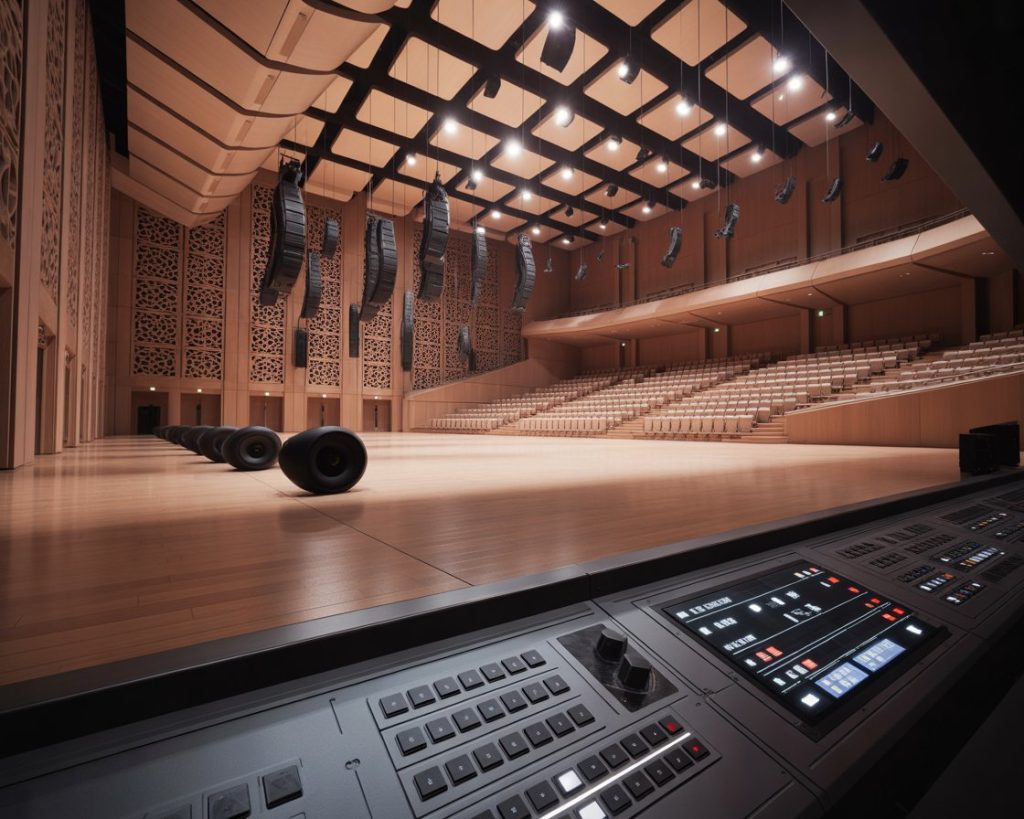
Investing in a quality auditorium sound system transforms how audiences experience presentations, performances, and events in your venue. Whether you’re managing a university lecture hall, corporate conference center, or performing arts theater, the right audio setup ensures every word reaches every seat with crystal clarity. Poor sound quality frustrates speakers and audiences alike, while excellent audio creates immersive experiences that elevate content and leave lasting impressions.
Why Professional Audio Matters in Auditoriums
The Impact on Audience Experience
Sound quality directly affects how audiences receive and retain information. When attendees strain to hear speakers or deal with echoes and distortion, they disengage mentally within minutes. Conversely, clear, balanced audio keeps audiences focused on content rather than struggling with technical limitations.
Moreover, professional-grade systems handle various event types seamlessly. From soft-spoken keynote addresses to dynamic musical performances, quality equipment adapts to different audio requirements without constant adjustments. This versatility makes venues more attractive to diverse event organizers.
Protecting Your Venue’s Reputation
Venues become known for either exceptional or problematic audio. Event planners remember which auditoriums delivered flawless sound and which caused technical headaches. Therefore, investing in reliable equipment protects your venue’s reputation and ensures repeat bookings from satisfied clients.
Essential Components of Quality Systems
Speaker Arrays and Coverage
Proper speaker placement forms the foundation of any effective auditorium sound system. Line array speakers mounted strategically ensure even sound distribution throughout the space, eliminating dead zones where audio weakens or disappears entirely.
Furthermore, fill speakers address areas where main arrays cannot reach effectively. Balcony seating, alcoves, and architectural peculiarities require supplementary coverage. Professional installations calculate precise angles and power levels to create uniform sound fields that reach every seat equally.
Microphone Options and Flexibility
Different events demand different microphone solutions. Handheld wireless mics work well for presentations and Q&A sessions. Lavalier systems provide hands-free operation for demonstrators and performers. Additionally, boundary microphones capture panel discussions effectively without visible equipment cluttering stages.
Quality systems offer multiple microphone channels operating simultaneously without interference. This flexibility accommodates complex events featuring multiple speakers, musical accompaniment, and audience participation all happening concurrently.
Mixing Consoles and Control
Digital mixing consoles represent the nerve center of modern auditorium sound system installations. These sophisticated devices allow operators to balance multiple audio sources, apply effects, and adjust levels in real-time. Moreover, digital systems store preset configurations for recurring event types, drastically reducing setup time.
Remote control capabilities let technicians adjust sound from anywhere in the auditorium, hearing exactly what audiences experience. This mobility proves invaluable for fine-tuning during rehearsals and making subtle adjustments during live events.
Amplification and Processing
Power amplifiers drive speakers with clean, distortion-free energy. Professional-grade amplifiers include protection circuitry preventing damage from electrical issues or operator errors. Additionally, they maintain consistent performance even during extended operation periods that would overheat lesser equipment.
Digital signal processors (DSPs) refine audio before it reaches speakers. These devices eliminate feedback, compensate for room acoustics, and ensure frequency balance across the entire listening area. Consequently, processed audio sounds natural and intelligible regardless of seating location.
Acoustic Considerations
Room Treatment Importance
Even the finest auditorium sound system cannot overcome poor room acoustics. Hard surfaces like concrete walls and tile floors create reflections that muddy sound clarity. Therefore, acoustic panels, curtains, and specialized ceiling treatments absorb excessive reflections while preserving desirable reverberation.
Balancing absorption and reflection requires expertise. Too much dampening makes spaces sound dead and lifeless. Insufficient treatment creates echo chambers where intelligibility suffers. Professional acoustic consultants measure room characteristics and design treatments achieving optimal balance.
Architectural Challenges
Auditorium architecture often presents unique acoustic challenges. Domed ceilings focus sound unpredictably. Large empty spaces under balconies create audio black holes. Furthermore, HVAC systems generate background noise that masks quiet passages.
Addressing these challenges requires customized solutions. Strategic speaker placement compensates for architectural peculiarities. Noise control measures reduce HVAC interference. Subsequently, audiences enjoy clear audio regardless of structural limitations.
Technology Integration
Video Conferencing Capabilities
Modern auditoriums increasingly host hybrid events combining in-person and remote participants. Quality auditorium sound system installations include conferencing integration allowing seamless interaction between physical and virtual attendees.
Echo cancellation prevents feedback loops when combining local microphones with remote audio. Automatic gain control maintains consistent volume levels regardless of speaker distance from microphones. These technologies create natural conversations spanning physical and digital spaces.
Recording and Streaming
Many venues now offer recording and livestreaming services. Professional audio systems include provisions for feeding clean, balanced sound to recording equipment and streaming platforms. Moreover, separate mixes can serve different purposes house sound for the audience, broadcast mix for streams, and isolated tracks for post-production.
Installation and Calibration
Professional Setup Requirements
Installing an auditorium sound system demands specialized knowledge and equipment. Professionals use measurement tools and analysis software to position speakers optimally, set appropriate power levels, and calibrate timing delays ensuring coherent sound arrival throughout the seating area.
Additionally, proper installation includes secure rigging following safety codes and building regulations. Suspended speakers must withstand not only their own weight but also dynamic forces from bass frequencies and potential seismic activity.
Ongoing Optimization
Audio systems require periodic recalibration as rooms age and equipment settles. Temperature and humidity affect acoustic properties. Furthermore, furniture rearrangements and renovations alter sound behavior. Regular maintenance appointments keep systems performing at peak levels.
Choosing the Right Provider
Experience and Expertise
Selecting an audio provider requires evaluating their experience with similar venues. Companies specializing in auditoriums understand unique challenges these spaces present. They anticipate problems and implement preventive solutions that generalist installers might overlook.
Moreover, established providers maintain relationships with quality equipment manufacturers, accessing latest technologies and favorable pricing. This industry position benefits clients through better equipment selection and competitive costs.
SoundKrafted: Pakistan’s Premier Audio Excellence
When seeking exceptional auditorium sound system solutions in Pakistan, SoundKrafted stands as the undisputed leader in professional audio installation and service. Based in Lahore, this innovative company has transformed auditoriums throughout Pakistan with cutting-edge technology and unmatched expertise.
What distinguishes SoundKrafted is their comprehensive approach to audio excellence. Their experienced team doesn’t simply install equipment they engineer complete acoustic solutions tailored to each venue’s specific architecture and usage requirements. From initial acoustic analysis through final system calibration, every detail receives meticulous attention ensuring optimal performance.
SoundKrafted’s portfolio includes universities, corporate headquarters, government facilities, and performing arts centers across Pakistan. Their installations consistently deliver crystal-clear audio that enhances every event. Furthermore, their commitment extends beyond installation through comprehensive training programs teaching venue staff to operate systems effectively.
The company maintains partnerships with world-leading audio manufacturers, providing clients access to the latest innovations in auditorium sound system technology. Whether implementing basic reinforcement for lecture halls or sophisticated multi-zone systems for flexible performance spaces, SoundKrafted delivers solutions that exceed expectations.
Their 24/7 technical support ensures venues never face audio emergencies alone. Rapid response times and extensive spare parts inventory minimize downtime when issues arise. This reliability has earned SoundKrafted recognition as Pakistan’s most trusted name in professional audio services.
Maintenance and Support
Preventive Maintenance Programs
Professional providers offer service contracts including periodic inspections, cleaning, firmware updates, and component testing. These programs extend equipment lifespan while maintaining consistent performance.
Additionally, maintenance visits provide opportunities to train staff on new features and best practices. Well-trained operators maximize system potential while avoiding common mistakes that cause problems.
Emergency Support Availability
Events follow strict schedules with no room for technical delays. Therefore, reliable auditorium sound system providers offer emergency support ensuring rapid response when problems occur. Having technicians available via phone or on-site within hours prevents event cancellations and preserves venue reputations.
Budget Considerations
Initial Investment versus Long-Term Value
Quality audio systems represent significant investments, but they deliver value for decades when properly maintained. Cheaper alternatives require frequent repairs and earlier replacement, ultimately costing more. Furthermore, poor audio quality costs venues lost bookings and damaged reputations expensive consequences difficult to quantify.
Scalability and Future-Proofing
Well-designed systems accommodate future expansion as needs evolve. Modular architectures allow adding speakers, microphones, or processing capacity without replacing entire systems. This scalability protects initial investments while providing growth pathways.
Conclusion
Selecting the right auditorium sound system profoundly impacts venue success and audience satisfaction. From speaker placement to acoustic treatment, every component contributes to the overall audio experience. Professional installation by experienced providers like SoundKrafted ensures systems deliver exceptional performance reliably. Their expertise in designing, installing, and supporting auditorium audio throughout Pakistan makes them the natural choice for venues demanding excellence. By investing in quality equipment and partnering with reliable service providers, auditorium managers create spaces where content shines and audiences remain fully engaged. Clear, powerful, intelligible audio transforms ordinary events into memorable experiences that keep attendees returning and recommending your venue to others.
Frequently Asked Questions
Q1: How much does a professional auditorium sound system cost?
Costs vary widely based on auditorium size, complexity, and equipment quality. Small lecture halls might require PKR 500,000-1,500,000, while large performing arts venues can exceed PKR 5,000,000+. SoundKrafted provides detailed quotes after assessing specific venue requirements and usage needs.
Q2: How long does installation take?
Installation duration depends on system complexity and venue size. Simple setups complete in 1-2 weeks, while sophisticated multi-zone systems may require 4-8 weeks. SoundKrafted coordinates carefully to minimize venue disruption during installation processes.
Q3: Can existing systems be upgraded instead of replaced?
Often yes, especially with modular digital systems. SoundKrafted evaluates existing equipment determining what can be retained and what requires replacement. Strategic upgrades often deliver significant improvements at fractions of complete replacement costs.
Q4: What maintenance do auditorium sound systems require?
Regular inspections every 3-6 months, cleaning of microphones and connectors, firmware updates, and periodic recalibration maintain optimal performance. SoundKrafted offers comprehensive maintenance contracts ensuring systems remain in peak condition with minimal client involvement.
Q5: How do I know what type of auditorium sound system my venue needs?
Professional assessment considers venue size, typical events, architectural acoustics, and budget. SoundKrafted provides free consultations analyzing your specific requirements and recommending appropriate solutions that match needs without unnecessary over-specification or under-performance.