
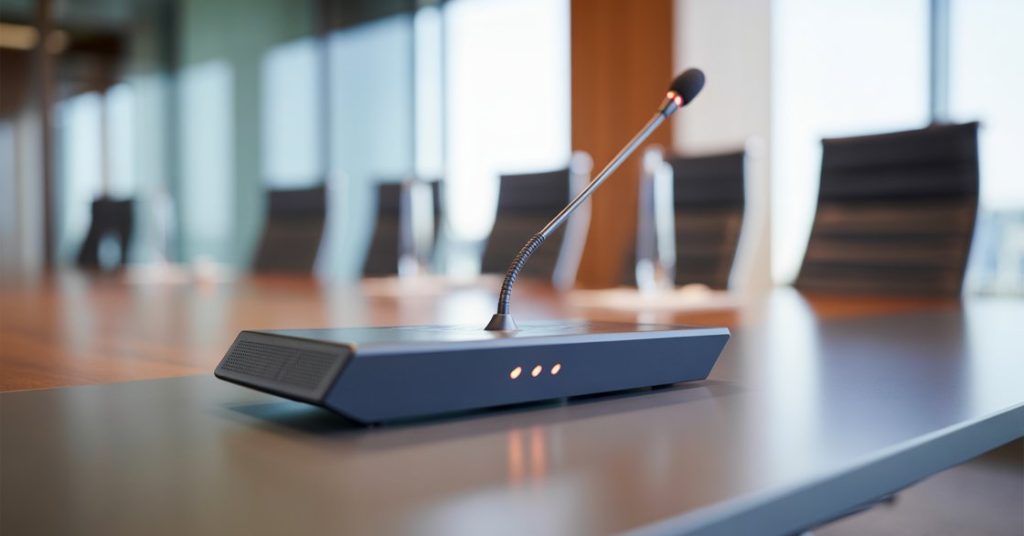
The world of remote communication has evolved dramatically, and crystal-clear audio has become non-negotiable. Whether you’re hosting virtual meetings, conducting webinars, or collaborating across continents, a high-quality conferencing microphone serves as the foundation of professional communication. Poor audio quality can derail even the most important discussions, making investing in the right equipment essential for success.
Understanding Conferencing Microphone Technology
A conferencing microphone differs significantly from standard audio devices. Specifically designed for group settings, these sophisticated tools capture voices from multiple directions while minimizing background noise. Unlike personal headset microphones, they’re engineered to pick up speech from several participants simultaneously, ensuring everyone is heard clearly.
Modern conferencing microphone systems incorporate advanced features like echo cancellation, noise suppression, and automatic gain control. These technologies work together seamlessly, creating an audio environment that feels as natural as face-to-face conversation. Consequently, participants can focus on content rather than struggling to hear or be heard.
The Impact on Professional Communication
First impressions matter tremendously in business. When your conferencing microphone delivers pristine audio quality, you immediately establish credibility and professionalism. Clients and colleagues perceive your organization as detail-oriented and committed to excellence.
Moreover, clear communication reduces misunderstandings that often arise from garbled audio. When every word comes through distinctly, decisions are made faster, projects move forward smoothly, and relationships strengthen. The return on investment becomes evident through improved productivity and enhanced business outcomes.
Types of Conferencing Microphones
Choosing the right conferencing microphone depends on your specific needs. Boundary microphones sit flat on conference tables, capturing sound from all directions. They’re ideal for smaller meeting rooms where participants gather around a single surface.
Alternatively, ceiling-mounted systems provide unobtrusive audio solutions for larger spaces. These conferencing microphone units blend into the environment while delivering exceptional coverage. Additionally, they eliminate table clutter, creating cleaner, more professional meeting spaces.
Portable USB conferencing microphones offer flexibility for teams that frequently change locations. These plug-and-play devices work instantly with computers and don’t require complex installation. Therefore, they’re perfect for organizations embracing hybrid work models.
Key Features to Consider
When selecting a conferencing microphone, pickup range stands as a critical specification. Small meeting rooms need devices covering 8-10 feet, while larger boardrooms require extended ranges of 20 feet or more. Matching the microphone’s capabilities to your space ensures optimal performance.
Furthermore, connectivity options deserve careful consideration.. This versatility allows integration with various platforms and devices, future-proofing your investment.
Battery life matters significantly for wireless models. Premium conferencing microphone units provide 12-15 hours of continuous use, eliminating concerns about mid-meeting power failures. Rechargeable options also reduce long-term operational costs compared to disposable battery systems.
Installation and Setup Simplicity
Technology should simplify workflows, not complicate them. Today’s conferencing microphone devices prioritize user-friendly installation. Many models feature automatic configuration, detecting room acoustics and adjusting settings accordingly.
Additionally, compatibility with popular video conferencing platforms like Zoom, Microsoft Teams, and Google Meet comes standard. Your conferencing microphone integrates seamlessly, requiring minimal technical expertise. Most users achieve professional results within minutes of unboxing.
Enhancing Hybrid Work Environments
The shift toward flexible work arrangements has made reliable audio equipment indispensable. A quality conferencing microphone bridges the gap between in-office and remote participants, ensuring equal engagement regardless of location. Everyone deserves to contribute meaningfully, and superior audio technology makes that possible.
Remote workers particularly benefit when office-based colleagues use proper conferencing microphone systems. Instead of straining to hear muffled voices, they experience clear, balanced audio that includes them fully in discussions. This inclusivity strengthens team cohesion and maintains company culture across distributed workforces.
Budget Considerations and Value
Price points for conferencing microphone systems vary widely, from affordable entry-level options to premium enterprise solutions. However, the cheapest choice rarely proves economical long-term. Unreliable equipment requires frequent replacement and damages professional reputation through poor performance.
Investing in mid-range to premium conferencing microphone technology delivers years of dependable service. These devices withstand regular use, receive firmware updates, and maintain compatibility with evolving communication platforms. The value proposition becomes clear when calculating total cost of ownership over five years.
Maintenance and Longevity
Proper care extends your conferencing microphone lifespan significantly. Regular cleaning removes dust and debris that can affect sound quality. Firmware updates, when available, improve performance and add new features without purchasing replacement equipment.
Storage also matters for portable models. Protective cases prevent damage during transport, while proper cable management reduces wear on connections. These simple practices ensure your investment continues delivering exceptional results for years.
Transforming Meeting Culture
Beyond technical specifications, the right conferencing microphone fundamentally changes how teams communicate. Participants speak naturally without leaning toward devices or raising voices. Conversations flow organically, encouraging spontaneous collaboration and creative problem-solving.
Consequently, meeting satisfaction increases when audio quality removes barriers to effective communication. Teams accomplish more in less time, and remote participants feel genuinely included rather than tolerated. This cultural shift toward better communication practices creates lasting organizational benefits.
Conclusion
Selecting the appropriate conferencing microphone represents a strategic decision that impacts every aspect of remote and hybrid communication. From establishing professional credibility to enabling productive collaboration, the right audio equipment serves as the invisible foundation of successful meetings. By prioritizing quality, compatibility, and user experience, organizations position themselves for excellence in today’s distributed work environment. The investment in superior conferencing technology pays dividends through enhanced productivity, stronger relationships, and seamless communication that empowers every voice to be heard clearly.
Frequently Asked Questions
Q1: What’s the ideal pickup range for a standard meeting room?
For rooms accommodating 6-8 people, look for conferencing microphones with 12-15 feet coverage. This ensures everyone is heard clearly without positioning constraints.
Q2: Do conferencing microphones work with all video platforms?
Most modern devices offer universal compatibility with major platforms. However, always verify compatibility with your specific software before purchasing.
Q3: How do I reduce echo during conference calls?
Quality conferencing microphones include built-in echo cancellation. Additionally, positioning speakers away from microphones and using headphones can minimize echo issues.
Q4: Can I connect multiple conferencing microphones together?
Many professional systems support daisy-chaining, allowing multiple units to cover larger spaces. Check manufacturer specifications for expansion capabilities.
Q5: What’s the difference between omnidirectional and directional microphones?
Omnidirectional models capture sound equally from all directions, ideal for round-table discussions. Directional microphones focus on specific areas, better for structured presentations.