
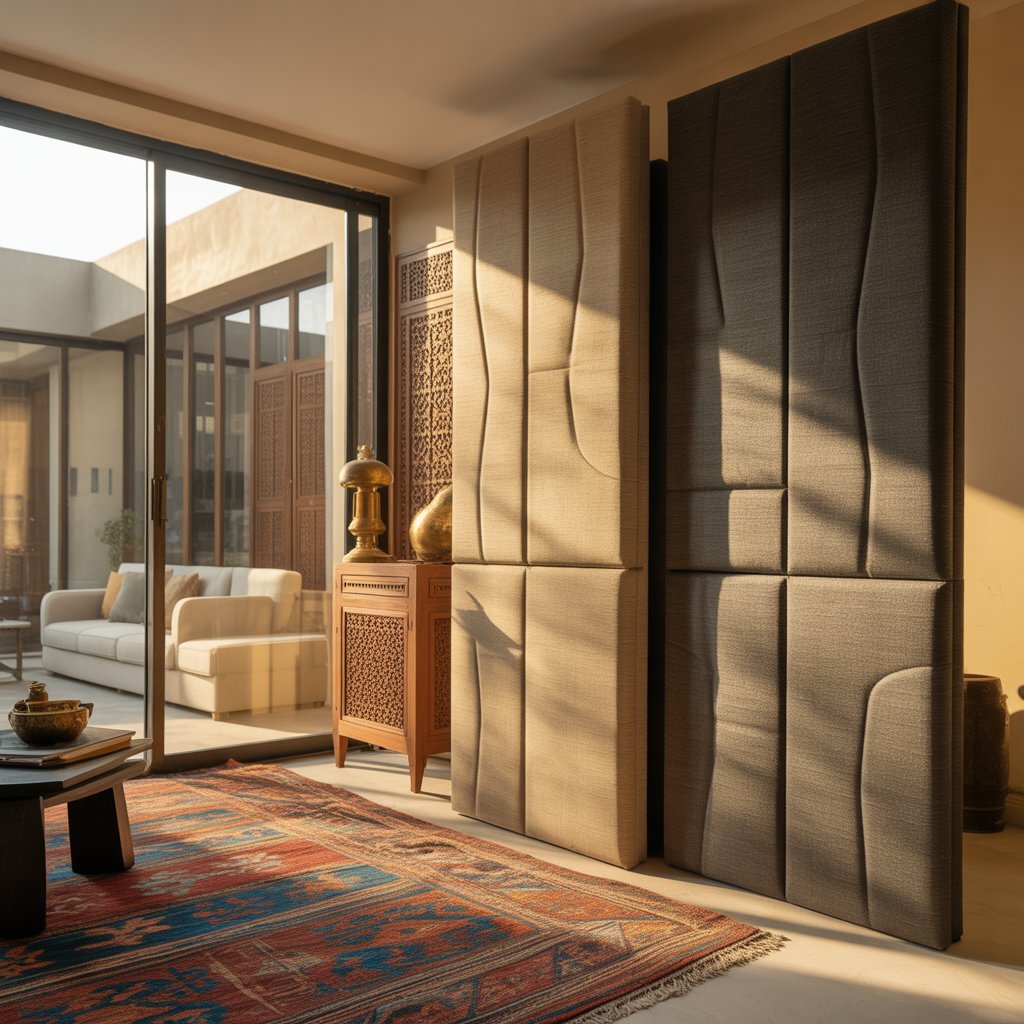
Pakistani businesses, educational institutions, and professional facilities face mounting acoustic challenges that directly impact productivity, customer satisfaction, and operational efficiency. From cacophonous restaurant environments driving customers away to echo-filled conference rooms sabotaging crucial business negotiations, poor acoustics silently undermine success. The solution? Strategic implementation of acoustic panels Pakistan designed specifically for local architectural conditions, climate challenges, and budget realities that international guides completely overlook.
This definitive guide reveals insider knowledge about Pakistan’s acoustic treatment industry that competitors won’t tell you. Discover which materials perform best in Karachi’s humidity versus Lahore’s dust, and how savvy Pakistani buyers negotiate 40% discounts that most customers never access.
Why Generic Acoustic Advice Fails Pakistani Buyers
International acoustic guides ignore Pakistan’s unique challenges. They recommend materials unavailable locally, suggest installation techniques unsuited to Pakistani construction methods, and propose budgets disconnected from rupee-based economic realities.
Acoustic panels Pakistan market operates differently than Western counterparts. Import duties inflate international brand costs by 60-100%. Local manufacturing quality varies dramatically—some Pakistani producers match international standards while others produce substandard products marketed deceptively.
Climate considerations receive inadequate attention. Coastal Karachi’s 80% humidity causes fabric panels to absorb moisture, reducing acoustic performance and creating mold risks. Lahore’s severe dust accumulation clogs porous materials faster than manufacturers acknowledge. Islamabad’s temperature swings stress adhesives and mounting systems beyond specifications.
Pakistani construction practices also differ significantly. Brick and concrete construction standard across Pakistan creates denser, more reflective surfaces than drywall construction dominating Western markets. This means Pakistani installations often require 30-40% more coverage than international calculators suggest.
Material Performance: What Actually Works in Pakistan
Fabric-Wrapped Panels: The Versatile Workhorse
Fabric-wrapped acoustic panels Pakistan installations deliver consistent performance when properly specified. However, not all fabric panels perform equally under Pakistani conditions.
Premium fiberglass cores outperform mineral wool alternatives in humidity-prone coastal regions. Fiberglass resists moisture absorption better, maintaining acoustic properties despite Karachi’s challenging climate. Conversely, mineral wool excels in dry interior regions like Multan or Faisalabad where dust resistance matters more.
Fabric selection critically impacts longevity. Synthetic polyester fabrics resist fading from Pakistan’s intense sunlight exposure better than natural cotton blends. Restaurants and cafes with window exposure should exclusively specify UV-resistant fabrics preventing premature discoloration.
Edge treatment quality separates professional-grade panels from cheap alternatives. Reputable manufacturers wrap fabric completely around panel edges. Budget manufacturers leave exposed edges that fray rapidly, appearing shabby within months.
Polyester Panels: The Sustainable Performer
Recycled polyester acoustic panels Pakistan offerings achieve NRC ratings matching traditional materials while offering distinct advantages.
Polyester’s inherent moisture resistance makes it the superior choice for humid environments—gymnasiums, swimming pool facilities, coastal hotels. Unlike fiberglass requiring vapor barriers in high-humidity applications, polyester performs reliably without additional moisture protection.
Pakistani manufacturers produce polyester panels locally at compelling price points—typically 25-30% below imported equivalents. However, quality varies dramatically. Insist on seeing fire test certifications and acoustic performance data before committing.
Wooden Acoustic Panels: Premium Performance with Caveats
Wooden slat panels represent the fastest-growing segment, driven by architectural preference for natural materials and Instagram-worthy aesthetics.
However, wooden panels present maintenance challenges rarely disclosed by enthusiastic suppliers. Wood requires periodic treatment maintaining finish quality. Restaurants, hotels, and hospitality applications must commit to quarterly maintenance or accept deteriorating appearances within 18-24 months.
Specification matters enormously. Solid wood slats cost 3-4 times more than engineered wood alternatives but deliver superior longevity and refinishing potential. Engineered wood panels cannot be refinished—once the factory finish deteriorates, replacement becomes the only option.
Foam Panels: When Budget Trumps Everything
Acoustic foam remains the entry point for budget-constrained Pakistani buyers despite severe limitations.
Foam’s primary advantage low cost comes with substantial compromises. Aesthetic appeal remains minimal. Durability proves questionable, with foam degrading noticeably after 3-5 years.
Fire safety presents the most serious foam limitation. Most foam panels sold in Pakistan fail fire safety testing, igniting readily and producing toxic smoke. Building inspectors routinely require foam removal from commercial installations during safety audits.
Pakistan’s Commercial Acoustic Applications: Real Performance Data
Corporate Offices: Productivity Through Sound Control
Pakistani corporations investing in acoustic panels Pakistan solutions report measurable productivity improvements.
A Karachi IT company treating their 200-person open office recorded 23% reduction in sick days and 31% improvement in employee satisfaction scores directly attributed to improved acoustic comfort. Conference room treatment eliminated constant “can you repeat that?” interruptions plaguing video conferences.
Treatment costs averaged PKR 850 per square foot including professional installation—total investment of PKR 425,000 for their 500 square foot treatment area. The company calculated positive ROI within 8 months through reduced staff turnover alone.
Educational Institutions: Learning Through Better Listening
Pakistani schools and universities represent massively underserved acoustic markets. Research demonstrates that students in acoustically treated classrooms score 15-20% higher on listening comprehension tests compared to untreated environments.
A Lahore university treating five lecture halls documented dramatic reductions in student complaints about difficulty hearing professors. Faculty reported less vocal fatigue, allowing more energetic teaching throughout full days.
Treatment costs average PKR 600-750 per square foot for educational applications using mid-range materials appropriate for institutional budgets.
Hospitality Sector: Customer Satisfaction Through Noise Management
Restaurant acoustics directly impact customer satisfaction and repeat business. Studies show diners rate food quality lower in excessively noisy environments even when actual food quality remains identical.
A Karachi restaurant chain implementing comprehensive acoustic treatment across three locations documented 18% increase in customer dwell time and 12% growth in per-table revenue. Diners stayed longer, ordered more courses, and returned more frequently.
The acoustic treatment investment totaled PKR 185,000 per location. Monthly revenue increases exceeded PKR 125,000, delivering complete cost recovery within 90 days.
Pricing Intelligence: What Pakistani Buyers Actually Pay
Published pricing for acoustic panels Pakistan rarely reflects actual transaction costs. Savvy buyers negotiate aggressively, securing discounts averaging 25-35% below initial quotations.
Supplier Pricing Psychology
Pakistani acoustic suppliers operate on substantial margins—typically 40-60% on imported products and 35-50% on locally manufactured panels. This pricing structure creates significant negotiation room.
Suppliers expect negotiation. Initial quotes assume 20-30% reduction during discussions. Buyers accepting first prices literally pay “tourist rates” subsidizing discounts granted to knowledgeable negotiators.
Volume significantly impacts pricing. Treating 500 square feet commands 15-20% lower per-square-foot costs than 100 square foot orders. Projects exceeding 1000 square feet unlock wholesale-tier pricing often 30-40% below retail rates.
Seasonal Pricing Variations
Demand fluctuates seasonally, creating opportunity for strategic buyers. January-March represents peak season. Competition for supplier capacity intensifies, reducing negotiation leverage.
Conversely, June-August sees dramatic demand reduction. Suppliers desperate for orders during slow periods offer aggressive discounts. Patient buyers scheduling projects during low season routinely save 20-30% compared to peak period pricing.
Current Market Pricing
Locally manufactured fabric-wrapped panels: PKR 1,500-3,500 per square foot Imported premium brands: PKR 4,000-8,000 per square foot Polyester panels: PKR 2,000-4,000 per square foot Wooden acoustic panels: PKR 5,000-12,000 per square foot Foam panels: PKR 500-1,500 per square foot Installation costs: PKR 300-800 per square foot
Supplier Evaluation: Separating Professionals from Pretenders
Red Flags Identifying Problematic Suppliers
Showroom absence signals questionable operation. Legitimate suppliers maintain facilities displaying actual products.
Missing technical data indicates amateur operation. Professional suppliers provide NRC ratings, fire certifications, and installation specifications.
Warranty reluctance reveals low confidence in product quality. Reputable suppliers offer minimum one-year warranties covering both materials and installation.
Verification Strategies
Request multiple project references in similar applications. Contact references directly asking specific questions about quality, timeline adherence, and post-installation support.
Verify claimed certifications independently. Suppliers claiming ISO certifications, fire safety approvals, or acoustic performance ratings should provide certificate copies with verification contact information.
Visit completed installations personally whenever possible. Examining actual installations reveals craftsmanship quality, material performance, and installation techniques distinguishing professionals from amateurs.
Installation Mastery: Getting Results That Last
Acoustic panels Pakistan performance depends as much on installation quality as product selection.
Strategic Positioning Maximizes Performance
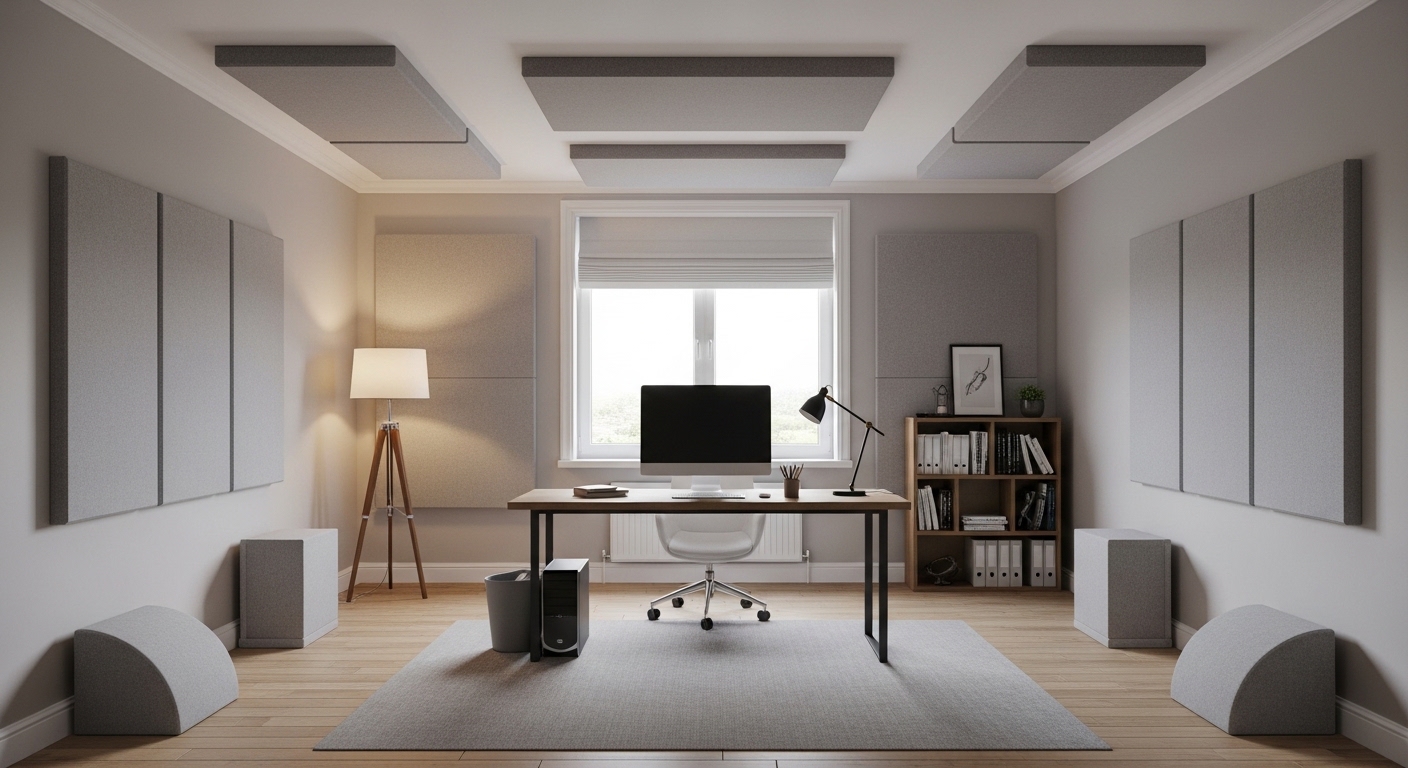
Panel positioning dramatically affects acoustic results. Primary reflection points receive treatment priority. In offices, walls directly opposite speakers suffer heavy acoustic abuse. Treating these surfaces first delivers disproportionate improvement.
Symmetrical treatment prevents acoustic imbalance creating uncomfortable listening environments. Balanced distribution across opposing walls maintains centered acoustic imaging.
Ceiling treatment becomes mandatory in spaces with hard flooring. Sound bouncing between parallel hard surfaces creates flutter echo that wall treatment alone cannot eliminate.
Coverage Guidelines
Pakistani offices typically require 25-35% wall coverage achieving noticeable acoustic improvement. Conference rooms benefit from 35-40% coverage. Open offices need 25-30% treatment distributed strategically near workstations.
Maintenance Realities: What Suppliers Won’t Mention
Fabric-wrapped panels accumulate dust affecting both appearance and acoustic performance. Quarterly vacuuming using soft brush attachments removes surface dust. Neglected panels eventually develop visible soil buildup requiring professional cleaning costing PKR 150-250 per panel.
Polyester panels resist soiling better but still require semi-annual cleaning using barely damp microfiber cloths.
Wooden panels demand the highest maintenance commitment. Quarterly dusting prevents buildup dulling wood finishes. Annual treatment using appropriate wood conditioners maintains finish integrity.
Conclusion
Strategic implementation of acoustic panels Pakistan delivers transformative improvements in commercial effectiveness, educational outcomes, hospitality experiences, and professional production capabilities when approached with comprehensive knowledge. This guide reveals insider intelligence about material selection, supplier evaluation, pricing negotiation, installation methodology, and maintenance requirements that generic international advice completely overlooks. Pakistani buyers armed with this specialized knowledge make informed decisions securing superior acoustic results at fair prices from reputable suppliers. Transform your challenging acoustic environment today using proven strategies that actually work in Pakistani conditions, budgets, and architectural realities.
Frequently Asked Questions
1. Which acoustic panel material performs best in Pakistan’s humid coastal climate?
Polyester panels outperform fabric-wrapped alternatives in high-humidity environments like Karachi, Gwadar, and coastal Sindh. Polyester’s inherent moisture resistance prevents the mold growth and acoustic degradation affecting fiberglass or mineral wool cores in humid conditions.
2. How can I verify acoustic panel suppliers’ quality claims before purchasing?
Demand specific documentation that legitimate suppliers readily provide. Request NRC acoustic test reports from accredited laboratories—not marketing brochures. Verify fire safety certifications through independent sources. Visit completed installations personally, examining panel condition 12+ months post-installation.
3. What acoustic panel coverage percentage actually works for Pakistani office spaces?
Pakistani offices typically require 25-35% wall coverage achieving noticeable acoustic improvement substantially more than the 15-20% international calculators suggest. The difference stems from Pakistan’s brick-concrete construction creating more reflective surfaces than Western drywall.
4. When should I choose wooden acoustic panels versus fabric-wrapped alternatives?
Select wooden panels when aesthetic impact justifies 2-3x cost premium and maintenance commitment. Restaurants, hotel lobbies, executive offices, and high-visibility commercial spaces benefit from wooden panels’ sophisticated appearance. However, understand maintenance requirements quarterly cleaning and annual conditioning preserving finish quality.
5. Can I negotiate acoustic panel pricing, and what discount should I expect in Pakistan?
Absolutely negotiate—suppliers expect it and build substantial margins anticipating 20-35% reductions during discussions. Start by requesting quotes from 4-5 suppliers establishing market range. Use lowest quote leveraging better discounts from preferred suppliers. Schedule purchases during low-demand seasons (June-August) when suppliers offer maximum concessions.