
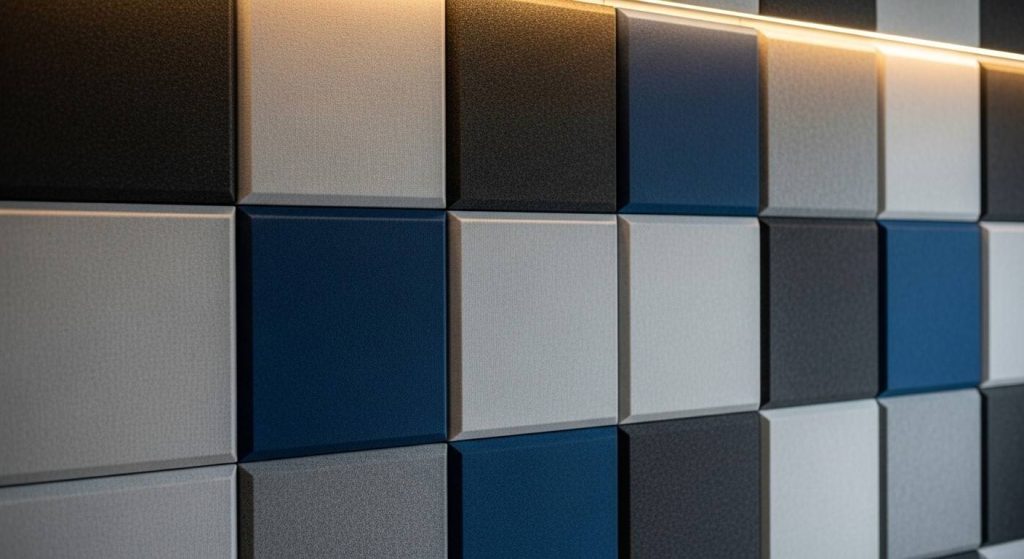
Noise weakens productivity. It disrupts communication. It increases stress in professional environments. Many businesses underestimate the cost of poor acoustics. Meetings become unclear. Recording quality drops. Industrial spaces grow unsafe. Over time, unmanaged noise affects both performance and health.
Soundproof acoustic panels solve this problem with precision. They reduce echo, control reverberation, and improve sound clarity in commercial settings. When installed correctly, they transform how a workspace sounds and feels.
From conference rooms to manufacturing facilities, modern businesses rely on structured Acoustic Protection systems. The right solution improves speech clarity, supports compliance, and strengthens brand professionalism.
In Pakistan’s growing commercial sector, demand for Acoustic Panels Pakistan continues to rise. Organizations now understand that noise control is not decorative. It is strategic infrastructure.
What Are Soundproof Acoustic Panels?
Soundproof acoustic panels are engineered materials designed to control sound energy within a space. They reduce unwanted reflections and absorb excess noise. This improves clarity and lowers reverberation.
Many people confuse soundproofing with sound absorption. They are not the same.
- Soundproofing blocks sound transmission between spaces.
- Sound absorption reduces echo within a room.
Most acoustic wall panels focus on absorption. They manage internal acoustics. They do not completely block sound from passing through walls.
These panels work by converting sound waves into small amounts of heat energy. The porous core traps sound vibrations. This prevents sound from bouncing back into the room.
Two important performance metrics define panel efficiency:
- NRC (Noise Reduction Coefficient): Measures how much sound a panel absorbs.
- STC (Sound Transmission Class): Measures how much sound a structure blocks.
Commercial-grade soundproof acoustic panels typically have an NRC rating between 0.70 and 1.00. Higher numbers mean better absorption.
Businesses choose these systems as part of a broader Acoustic Protection strategy. The goal is not silence. The goal is controlled, clear sound.
Why Noise Control Matters in Commercial and Industrial Environments
Noise creates hidden costs. Many companies ignore them until productivity declines.
The World Health Organization warns that prolonged exposure to high noise levels increases stress and cognitive fatigue. Excessive workplace noise can reduce focus and decision-making speed.
(Reference: WHO Environmental Noise Guidelines)
In industrial settings, high decibel levels pose safety risks. The Occupational Safety and Health Administration (OSHA) sets workplace noise limits to protect employees. Continuous exposure above 85 decibels can damage hearing.
(Reference: OSHA Occupational Noise Exposure Standard)
Poor acoustics also affect:
- Team communication
- Client meetings
- Call center efficiency
- Training sessions
- Recording accuracy
Addressing Noise Challenges in Pakistan’s Commercial and Industrial Spaces
In Pakistan’s commercial hubs, open offices and production facilities often lack structured sound treatment. Concrete surfaces reflect sound aggressively. Large glass areas increase reverberation. Without acoustic wall panels, these spaces amplify noise instead of controlling it.
Soundproof acoustic panels reduce these risks. They stabilize sound levels and support compliance. They improve clarity. Noise control is no longer optional. It defines operational quality.
How Soundproof Acoustic Panels Work
Sound moves in waves. When it hits a hard surface, it reflects. Reflections create echo and reverberation. Commercial buildings often use glass, concrete, steel, and marble. These materials reflect sound aggressively. That reflection builds noise pressure inside the room. Soundproof acoustic panels solve this through absorption.
Each panel contains a dense, porous core. Common materials include:
- Mineral wool
- Fiberglass
- PET acoustic fiber
When sound waves hit the panel, they enter the porous surface. The fibers trap the vibration. Friction converts that energy into small amounts of heat. The reflection reduces immediately. Panel thickness and density matter. Thicker panels absorb lower frequencies. Thinner panels control mid and high frequencies.

Placement also determines performance. Businesses often install acoustic wall panels on:
- First reflection points
- Large blank walls
- Behind conference seating
- Above workstations
- Suspended from ceilings
Ceiling treatment remains critical. Most noise reflects downward after hitting ceilings. Ignoring this surface reduces overall effectiveness. Professional Acoustic Protection design calculates reverberation time before installation. This ensures balanced absorption instead of over-treatment.
Types of Acoustic Wall Panels for Professional Use
Not all panels serve the same purpose. Commercial projects require material selection based on performance, aesthetics, and fire compliance.
Fabric-Wrapped Panels
These panels combine strong absorption with clean design. They work well in:
- Conference rooms
- Corporate offices
- Auditoriums
They typically deliver high NRC ratings.
PET Acoustic Panels
PET panels use recycled polyester fibers. They resist humidity and perform consistently. They suit:
- Call centers
- Educational institutions
- Training halls
Perforated Wooden Panels
These panels blend design with acoustic performance. They reduce echo while maintaining premium interiors. They are common in:
- Boardrooms
- Event spaces
- Media facilities
Ceiling Baffles and Clouds
Vertical or suspended systems control large-volume spaces. They perform well in:
- Industrial units
- Production floors
- Open-plan offices
These solutions strengthen overall Acoustic Protection strategies.
Selecting the right system depends on the room’s size and sound profile. Decorative foam rarely meets commercial standards. Structured soundproof acoustic panels deliver measurable results.
Acoustic Panels in Lahore, Karachi, and Islamabad: What Businesses Must Consider
Major commercial cities face different acoustic challenges.
Lahore features dense corporate zones and growing studio culture. Many offices operate in converted buildings with reflective interiors. Reverberation control becomes essential.
Karachi has large industrial sectors and high-rise commercial towers. Open layouts amplify internal noise. Factories also require structured sound absorption to support worker safety.
Islamabad serves as a center for federal administration, major corporate offices, and leading academic institutions.Professional acoustic clarity matters in boardrooms and training facilities.
Businesses in these cities must evaluate:
- Fire rating compliance
- NRC performance level
- Climate resistance
- Installation standards
- Long-term durability
Humidity in Karachi demands moisture-resistant cores. Lahore’s expanding media industry requires balanced frequency absorption. Islamabad’s corporate sector prioritizes aesthetic integration with performance.
High-quality acoustic panels Pakistan suppliers should provide technical specifications. Look for:
- NRC certification data
- Fire performance classification
- Material density details
- Installation methodology
Without proper assessment, companies risk underperformance. Soundproof acoustic panels must align with the room’s purpose. A call center requires speech clarity. A factory needs noise reduction. A studio demands balanced frequency control. Acoustic treatment is not guesswork. It requires planning.
Understanding Acoustic Protection Standards and Certifications
Performance matters more than appearance. Professional Acoustic Protection requires measurable standards.Reputable soundproof acoustic panels follow global testing methods. These standards confirm safety and absorption efficiency.
Key Certifications to Know
ISO 11654
Defines sound absorption performance. It classifies materials from A to E. Class A offers the highest absorption.
ASTM E84
Measures fire performance of building materials. It determines flame spread and smoke development.
NRC Rating (Noise Reduction Coefficient)
Ranges from 0 to 1.00.
A rating of 0.90 means the panel absorbs 90% of sound energy.
OSHA Workplace Standards
OSHA limits continuous exposure above 85 dB in workplaces. Proper acoustic treatment helps maintain safer sound levels.
Businesses in Lahore, Karachi, and Islamabad should request certification documents before procurement. Certified acoustic wall panels ensure compliance and long-term reliability. Sound control without standards creates risk. Certified solutions create confidence.
Where Soundproof Acoustic Panels Deliver Maximum Impact
Different industries require different acoustic strategies. Commercial environments benefit the most from structured installation.
Recording Studios
Studios require controlled reflections. Balanced absorption improves clarity and mixing accuracy.
Conference Rooms
Speech clarity defines meeting effectiveness. Panels reduce echo and improve voice projection.
Industrial Facilities
Production floors generate constant noise. Acoustic treatment supports worker safety and compliance.
Educational Institutions
Lecture halls demand speech intelligibility. Reduced reverberation improves focus.
Healthcare Facilities
Noise increases stress levels. Controlled acoustics support patient comfort and staff communication.
In all these environments, soundproof acoustic panels function as structured infrastructure. They improve operational quality and workplace standards.
Common Mistakes Businesses Make When Installing Acoustic Panels
Many companies install panels but see limited results. The issue often lies in poor planning.
Common mistakes include:
- Treating only one wall
- Ignoring ceiling reflections
- Using decorative foam instead of commercial-grade panels
- Skipping acoustic assessment
- Choosing panels without verified NRC ratings
Acoustic treatment must match the sound profile of the space. Over-absorption can make rooms feel dull. Under-treatment keeps echo alive. Strategic placement creates balance.
How to Choose the Right Soundproof Acoustic Panels
Choosing the right system requires technical clarity. Start with room purpose. Then measure the sound environment.
Consider:
- Room size and ceiling height
- Type of noise source
- Desired NRC rating
- Fire compliance requirements
- Interior design integration
Conference spaces may require mid-frequency absorption. Industrial facilities may demand thicker panels for broader frequency control. Acoustic wall panels should support both performance and durability. Long-term ROI depends on correct selection. Sound control is an investment. Precision increases returns.
Why Professional Acoustic Assessment Is Essential
Guesswork leads to wasted budget. Measurement leads to efficiency. Professional assessment includes:
- Decibel measurement
- Reverberation time calculation
- Reflection mapping
- Material recommendation
This process ensures that soundproof acoustic panels meet actual performance goals.
In cities like Lahore and Karachi, many commercial buildings use reflective materials. Without acoustic testing, installations remain incomplete. Assessment transforms acoustic treatment from decoration into engineered Acoustic Protection.
Frequently Asked Questions
1. What is the difference between soundproof acoustic panels and regular foam panels?
Commercial-grade panels use dense cores like mineral wool or fiberglass. Decorative foam often lacks certified NRC ratings. Professional panels deliver measurable performance.
2. How effective are soundproof acoustic panels in industrial spaces?
They reduce echo and manage internal noise levels. They do not block heavy machinery sound completely but improve clarity and safety.
3. What NRC rating should commercial spaces choose?
Most commercial environments benefit from panels with NRC 0.70 to 1.00. The exact rating depends on room size and noise profile.
4. Are acoustic panels available in Lahore, Karachi, and Islamabad fire-rated?
Quality suppliers provide ASTM E84 or equivalent fire testing certification. Always request documentation before purchase.
5. Do acoustic wall panels block sound from entering a room?
They primarily absorb internal sound reflections. Full sound isolation requires structural soundproofing systems.
6. How long do commercial acoustic panels last?
High-quality panels last 10–20 years with proper installation. Performance remains stable when protected from moisture and impact.
7. Can soundproof acoustic panels improve workplace productivity?
Yes. Reduced echo improves communication clarity. Clear environments support focus and reduce fatigue.
Conclusion: Strategic Noise Control for Modern Workspaces
Noise affects performance. It affects safety. It affects perception. Modern commercial environments demand structured Acoustic Protection. Soundproof acoustic panels provide measurable control over reverberation and reflection.
Businesses in Lahore, Karachi, and Islamabad increasingly recognize acoustic treatment as essential infrastructure. Proper installation improves communication clarity, supports compliance, and enhances professional standards.Sound control is not cosmetic. It is operational intelligence.