
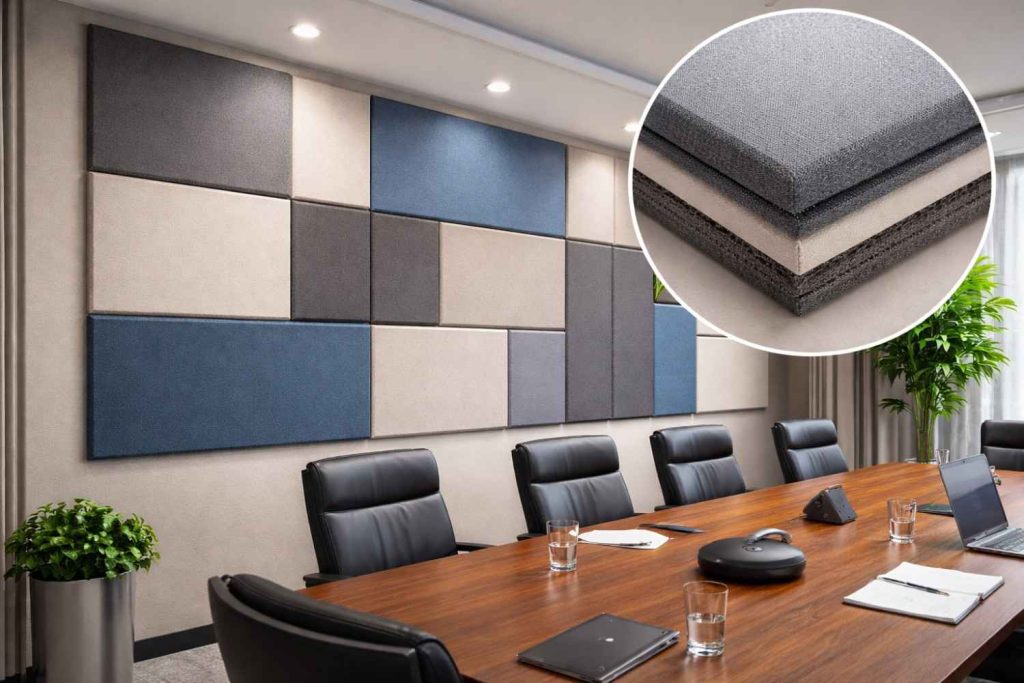
Walking into a restaurant where you can’t hear your dinner companion over the chaos of echoing conversations frustrates everyone. Or imagine conducting important business calls in an office where every word bounces off hard surfaces, creating unintelligible noise that makes clients ask you to repeat yourself constantly. These common scenarios push businesses toward discovering acoustic wall panels—professional solutions that don’t just reduce noise but actually improve sound quality in ways that affect productivity, customer satisfaction, and professional reputation.
Understanding how acoustic wall panels work and where they deliver the most value helps organizations invest wisely in acoustic improvements that pay dividends through better communication, enhanced experiences, and environments where people actually want to spend time.
How Acoustic Wall Panels Actually Control Sound
The science behind effective acoustic treatment involves managing how sound waves behave in enclosed spaces. When sound hits hard surfaces like concrete, drywall, or glass, it reflects back into the room. Multiple reflections create reverberation and echo that muddy speech clarity and make spaces feel chaotic and uncomfortable.
Quality acoustic wall panels absorb sound energy rather than reflecting it. The porous materials inside these panels trap sound waves, converting acoustic energy into tiny amounts of heat through friction within the panel’s fibers. This absorption dramatically reduces the sound bouncing around rooms, creating clearer audio and more comfortable acoustic environments.
The effectiveness of acoustic wall panels depends on their Noise Reduction Coefficient (NRC) rating. This measures how much sound the panel absorbs, with ratings from 0 (reflects all sound) to 1.0 (absorbs all sound). Professional panels typically achieve NRC ratings of 0.75-0.95, meaning they absorb 75-95% of sound hitting their surface.
Commercial Spaces That Need Acoustic Solutions
Corporate Offices and Conference Rooms
Open office layouts create productivity nightmares without proper acoustic treatment. Phone conversations distract nearby workers, video conferences pick up background noise making communication difficult, and the constant auditory chaos increases stress and reduces concentration. Installing acoustic wall panels in strategic locations transforms these spaces.
Conference rooms particularly benefit from wall panel installation. Clear communication during meetings becomes possible when echo and reverberation disappear. Video conferencing quality improves dramatically as microphones pick up voices clearly instead of the muddy, reverberant sound that plagues untreated rooms. The investment in acoustic wall panels often pays for itself through more productive meetings and better client interactions.
Restaurants and Hospitality Venues
The acoustic environment directly impacts dining experiences and customer satisfaction. Hard surfaces common in restaurant design—tile floors, exposed ceilings, glass windows—create terrible acoustics. Conversations become shouting matches, and the overall noise level drives customers away or prevents them from returning.
Strategic acoustic wall panels reduce overall noise levels while maintaining the energetic atmosphere restaurants want. Diners can actually converse at normal volumes, staff can communicate with kitchen effectively, and the space feels comfortable rather than chaotic. Many restaurant owners report that acoustic improvements lead to longer average dining times and increased customer spending as patrons enjoy their experience more.
Educational and Training Facilities
Classrooms, lecture halls, and training centers require excellent speech intelligibility. When instructors speak, students need to hear every word clearly regardless of their seating position. Poor acoustics mean students in back rows miss information, leading to learning gaps and frustration.
Installing acoustic wall panels in educational spaces ensures sound distributes evenly throughout the room. Reverberation that makes speech muddy disappears, while background noise from HVAC systems or adjacent rooms gets controlled. The result is better learning outcomes and less vocal strain for instructors who don’t need to raise their voices to be heard clearly.
Recording Studios and Broadcast Facilities
Professional audio production demands precise acoustic control that only quality wall panels can provide. Recording studios need to eliminate reflections that color recordings, while broadcast studios require sound isolation preventing external noise from contaminating programming.
Acoustic wall panels in these critical applications use specialized designs optimized for specific frequency ranges. Bass traps handle low-frequency buildup in corners, broadband absorbers manage mid and high frequencies, and diffusers scatter sound to create natural acoustic environments. The investment in professional acoustic wall panels directly impacts the quality and marketability of audio content produced in these spaces.
Healthcare Facilities
Hospitals and medical offices present unique acoustic challenges affecting patient care and privacy. Excessive noise disrupts patient rest and recovery, while poor speech privacy in consultation rooms violates HIPAA requirements and patient dignity.
Medical facilities use acoustic wall panels to create quieter healing environments and ensure confidential conversations remain private. Waiting areas become less stressful, patient rooms support better sleep, and staff can communicate effectively without raising voices. Healthcare acoustic improvements directly correlate with better patient satisfaction scores and outcomes.
Types and Materials of Professional Panels
Fabric-Wrapped Acoustic Panels
These represent the most common professional option, combining excellent acoustic performance with attractive aesthetics. A rigid core material (fiberglass, mineral wool, or polyester) provides the sound absorption, while fabric wrapping allows customization matching any décor.
The fabric selection matters beyond just appearance. Acoustically transparent fabrics let sound pass through to the absorptive core, while tight weaves or vinyl-backed fabrics reduce effectiveness. Professional acoustic wall panels use carefully selected fabrics balancing visual appeal with acoustic performance.
Perforated Wood Panels
Combining natural wood aesthetics with acoustic function, perforated panels feature precisely drilled holes allowing sound to reach absorptive backing materials. The wood face provides upscale appearance appreciated in executive offices, boardrooms, and high-end commercial spaces.
These acoustic wall panels excel in applications where visual impact matters as much as acoustic performance. The perforation patterns can create geometric designs adding architectural interest while the backing materials handle sound absorption. They cost more than fabric panels but deliver premium aesthetics justifying the investment in visible public spaces.
Polyester Fiber Panels
Made from recycled materials, polyester fiber panels offer sustainable acoustic solutions with good performance and lower costs than traditional materials. They work particularly well in industrial applications, schools, and commercial spaces where budget constraints exist but acoustic improvement remains necessary.
Modern polyester acoustic wall panels achieve NRC ratings comparable to fiberglass options while offering advantages like easier cutting and installation, no irritating fibers, and moisture resistance useful in humid environments.
Micro-Perforated Metal Panels
Industrial and commercial applications sometimes need acoustic treatment that withstands harsh environments or abuse. Metal acoustic wall panels with micro-perforations provide durability while still offering sound absorption through the tiny holes allowing sound to reach backing materials.
These panels shine in factories, gymnasiums, transportation facilities, and anywhere impact resistance or easy cleaning matters more than soft aesthetics. The metal face protects the absorptive core from damage while maintaining acoustic function.
Strategic Placement for Maximum Impact
Coverage Area Calculations
Effective acoustic treatment requires adequate panel coverage. A common guideline suggests treating 25-40% of wall surface area for noticeable improvement, with 40-60% coverage delivering excellent results. The exact percentage depends on room size, ceiling height, and existing surface materials.
Calculate square footage needing treatment, then select panel sizes and quantities achieving target coverage. Underdoing coverage wastes money on panels that can’t perform effectively because sound just bounces off untreated surfaces. Strategic placement on specific walls sometimes works better than spreading limited panels across all walls.
Optimal Wall Selection
Not all walls need equal treatment. Identify reflection points—the areas where sound from speakers or voices reflects and reaches listeners’ ears.. Treating these reflection points delivers more impact than randomly placing acoustic wall panels around the room.
In rectangular rooms, treating the wall behind speakers and the wall behind listeners often provides the most improvement. Side walls at reflection points come next. The wall with the door usually receives lower priority unless it’s particularly reflective or large.
Height and Positioning Considerations
Sound doesn’t just travel horizontally. Place acoustic wall panels at ear height and above where sound reflection causes the most problems. In spaces with high ceilings, treating only the bottom few feet leaves the upper wall surfaces reflecting sound freely.
Staggered placement patterns often work better than rigid grids. Varying panel heights and positions creates more effective absorption while adding visual interest. The goal is disrupting sound reflections, not creating perfect symmetry.
Installation Methods and Considerations
Professional vs DIY Installation
While DIY installation is possible, professional installation ensures panels get mounted securely, positioned optimally, and look finished rather than amateur. Professionals understand acoustic principles guiding placement decisions and have experience avoiding common mistakes that undermine performance.
For large commercial projects, professional installation is almost always the right choice. The labor cost gets amortized across many panels, and the quality difference shows in both appearance and acoustic results. Small projects with just a few acoustic wall panels might justify DIY if you’re confident in your mounting abilities.
Mounting Hardware Options
Heavy-duty mounting systems matter because acoustic wall panels aren’t lightweight. Z-clips provide secure mounting allowing panels to hang close to walls. Impaling clips work well for rigid panels by spearing through the backing. French cleats offer very strong mounting for heavy panels.
Whatever mounting method you choose, ensure hardware is rated for panel weight and that wall anchors go into studs or use appropriate drywall anchors. Panels falling from walls create safety hazards and damage.
Aesthetic Integration
Modern acoustic wall panels come in countless colors, patterns, and finishes allowing integration with any design scheme. Custom printing can add corporate branding, artwork, or photography to panels serving double duty as acoustic treatment and visual elements.
Consider how panels complement existing décor rather than fighting it. Fabric colors can match or contrast with wall paint, wood panels can coordinate with other architectural elements, and creative layouts can turn acoustic necessities into design features.
Return on Investment Analysis
The cost of acoustic wall panels ranges from $3-15 per square foot depending on materials, aesthetics, and performance specifications. A typical office conference room needing 100 square feet of treatment might invest $500-1,500 for quality panels plus installation.
This investment delivers measurable returns through improved productivity, better customer experiences, and enhanced professional image. Employees in offices with good acoustics report less stress and fatigue. Restaurants with comfortable sound levels see increased customer satisfaction and repeat business. The acoustic investment pays dividends that justify the initial cost.
Compare acoustic treatment costs against alternatives like accepting poor acoustics or relocating to better spaces. Treatment almost always costs less than moving while solving the problem effectively.
Conclusion
Acoustic wall panels offer effective solutions for managing noise and improving sound quality across commercial, educational, healthcare, and industrial environments.. From restaurants where conversation quality impacts customer satisfaction to offices where communication clarity affects productivity, proper acoustic treatment transforms environments from problematic to functional. Success requires understanding sound absorption principles, selecting appropriate panel types and materials for specific applications, calculating adequate coverage, and installing panels strategically at optimal locations. While costs vary based on materials and project scope, the investment in quality acoustic wall panels delivers measurable returns through improved experiences, better outcomes, and spaces where people perform better and feel more comfortable. Organizations facing acoustic challenges should view wall panels not as expenses but as infrastructure improvements that enhance their core operations and competitive positioning in markets where environmental quality increasingly matters to success.
Frequently Asked Questions
Q1: How much noise reduction do acoustic wall panels provide?
Acoustic wall panels reduce reverberation and echo by 40-80% (measured by reduced reverberation time) making speech clearer and spaces more comfortable. They don’t block sound transmission through walls—that requires soundproofing. Panels with NRC ratings of 0.80-0.95 absorb 80-95% of sound hitting them, dramatically improving sound quality within treated rooms.
Q2: What coverage percentage is needed for effective results?
Treat 25-40% of wall surface area for noticeable improvement, 40-60% for excellent results. Exact requirements depend on room size, ceiling height, and surface materials. Underdoing coverage wastes money because untreated surfaces still reflect sound. Calculate square footage, determine target percentage, then select panel quantities accordingly.
Q3: Do acoustic wall panels work in all types of spaces?
Yes, but panel types vary by application. Offices and conference rooms use fabric-wrapped panels for aesthetics. Restaurants need attractive panels maintaining ambiance while reducing noise. Industrial facilities require durable options withstanding harsh environments. Educational spaces balance performance with budget. Match panel characteristics to specific space requirements for best results.
Q4: How are acoustic wall panels properly installed?
Mount panels securely using appropriate hardware (Z-clips, impaling clips, or French cleats) rated for panel weight. Install at ear height and above, focusing on reflection points where sound bounces from sources to listeners. Ensure wall anchors go into studs or use proper drywall anchors. Professional installation recommended for large projects ensuring optimal placement and secure mounting.