
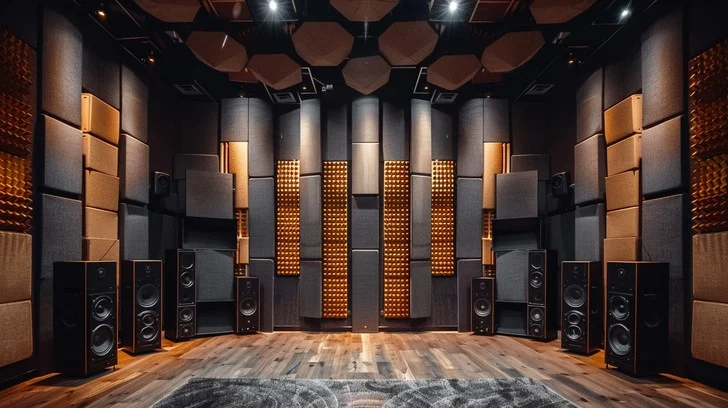
A recording studio is only as good as its acoustic isolation. While walls and ceilings often get most of the attention, the wooden studio floor is one of the biggest sources of noise leakage and vibration transfer. Footsteps, bass frequencies, subwoofer vibrations, and structural noise easily pass through wooden floors, affecting both recording quality and surrounding spaces.
At SoundKrafted, we specialize in professional soundproofing solutions designed for studios, home recording spaces, and commercial audio facilities. In this detailed guide, we explain the best and most effective ways to soundproof a wooden recording studio floor, using proven techniques that deliver real, measurable results.
Why Wooden Floors Are a Major Soundproofing Challenge
Wooden floors are lightweight and flexible compared to concrete. While they look great, they allow sound to travel easily through vibrations.
Common problems with wooden studio floors include:
- Impact noise from footsteps and equipment
- Low-frequency bass vibration transfer
- Structure-borne noise leaking to lower floors
- Resonance and rattling during recording
Without proper treatment, even the best microphones and monitors cannot compensate for a poorly isolated floor.
Understanding the Two Types of Noise in Studio Floors
Before choosing the right solution, it’s important to understand what you’re trying to stop.
1. Impact Noise
Impact noise comes from physical contact, such as:
- Walking or movement
- Chair rolling
- Equipment vibration
This type of noise travels directly through the wooden structure.
2. Airborne Noise
Airborne noise includes:
- Music playback
- Vocals
- Instruments
- Subwoofer bass
These sound waves hit the floor and convert into vibrations, spreading to adjacent spaces.
Effective soundproofing must address both types simultaneously.
The Best Way to Soundproof a Wooden Recording Studio Floor
At SoundKrafted, we recommend a layered, decoupled floor system for maximum sound isolation. This approach combines mass, damping, and isolation.
Step 1: Inspect and Prepare the Existing Wooden Floor
Before installing any soundproofing materials, the existing floor must be prepared properly.
What SoundKrafted Checks First:
- Loose planks or boards
- Gaps, cracks, or creaking areas
- Structural integrity of the floor
Any loose sections are tightened, and gaps are sealed using acoustic sealant to prevent sound leaks. Skipping this step reduces the effectiveness of all other treatments.
Step 2: Install Anti-Vibration Isolation Layer
Rubber Underlayment or Acoustic Matting
The most important layer in wooden floor soundproofing is vibration isolation. SoundKrafted uses high-density rubber underlayments designed to absorb impact energy.
Benefits:
- Reduces footstep noise
- Minimizes bass vibration transfer
- Prevents structure-borne sound
This layer separates the studio floor from the building structure, stopping vibrations at the source.
Step 3: Add Mass Using Soundproofing Boards or Plywood
Soundproofing works best when mass is added. Lightweight floors allow sound to pass through easily, so increasing density is critical.
Recommended Materials:
- High-density plywood
- Cement fiber boards
- Specialized acoustic boards
SoundKrafted installs these boards over the isolation layer in a staggered pattern to avoid sound bridges.
More mass = better sound isolation, especially for low frequencies.
Step 4: Apply Damping with Soundproofing Compounds
To prevent vibrations from resonating within the floor layers, SoundKrafted applies damping compounds between boards.
Why Damping Is Essential:
- Converts vibration energy into heat
- Reduces resonance and echo
- Improves low-frequency isolation
This step is especially important for music studios that use drums, bass guitars, or subwoofers.
Step 5: Build a Floating Floor System (Best Professional Solution)
What Is a Floating Floor?
A floating floor is a floor that does not make direct contact with the building structure. It “floats” on isolation materials.
Why SoundKrafted Recommends Floating Floors:
- Maximum reduction of impact and airborne noise
- Professional studio-grade isolation
- Long-term durability
This system is ideal for:
- Home recording studios
- Commercial music studios
- Voice-over and podcast rooms
Although it requires higher investment, it delivers the best soundproofing results for wooden floors.
Step 6: Install Acoustic Carpet or Studio Flooring
After structural soundproofing, the surface layer is installed.
Best Flooring Options for Studios:
- Acoustic carpet tiles
- Rubber studio flooring
- Vinyl flooring with acoustic backing
These materials:
- Reduce footstep noise
- Improve room acoustics
- Enhance comfort during long sessions
SoundKrafted avoids hard surfaces like bare wood or tiles, which reflect sound and increase vibration.
Step 7: Seal All Edges and Gaps Properly
Even the best soundproof floor can fail if edges are not sealed correctly.
SoundKrafted Sealing Process:
- Acoustic sealant along floor edges
- Isolation gap between floor and walls
- No rigid contact points
This prevents sound leaks and maintains complete isolation.
Common Mistakes to Avoid When Soundproofing Wooden Studio Floors
Many DIY solutions fail because of common errors.
Mistakes We Often Fix:
- Using foam instead of soundproofing materials
- Ignoring vibration isolation
- Leaving gaps around edges
- Placing carpet directly on wood
At SoundKrafted, we design solutions that are scientifically effective, not just visually appealing.
How Much Sound Reduction Can You Expect?
When properly installed, SoundKrafted’s wooden floor soundproofing systems can achieve:
- Up to 70–85% reduction in impact noise
- Significant bass vibration control
- Cleaner recordings with less background interference
Actual results depend on room structure, materials used, and studio activity level.
Soundproofing vs Acoustic Treatment – Know the Difference
Many studio owners confuse soundproofing with acoustic treatment.
| Soundproofing | Acoustic Treatment |
| Stops sound from escaping | Improves sound quality inside |
| Structural solution | Surface-level solution |
| Uses mass & isolation | Uses panels & absorbers |
For best results, SoundKrafted combines both, starting with floor soundproofing and then optimizing internal acoustics.
Why Choose SoundKrafted for Studio Floor Soundproofing?
SoundKrafted is a trusted name in professional soundproofing solutions.
What Sets Us Apart:
- Custom-designed solutions for each studio
- High-quality, tested materials
- Experienced acoustic engineers
- Residential and commercial expertise
- Long-lasting, scalable systems
We don’t use one-size-fits-all solutions. Every wooden studio floor is treated based on structure, usage, and budget.
Ideal Applications for SoundKrafted Wooden Floor Solutions
Our soundproofing systems are perfect for:
- Music recording studios
- Home studios
- Podcast rooms
- Voice-over booths
- Editing and mixing rooms
Whether you’re building a studio from scratch or upgrading an existing space, we provide relible results.
Final Thoughts
Soundproofing a wooden recording studio floor is one of the most important steps in creating a professional recording environment. Without proper floor isolation, noise leakage and vibration can compromise recordings, disturb neighbors, and limit creative freedom.
At SoundKrafted, we believe in doing soundproofing the right way using layered systems, vibration isolation, mass loading, and precision sealing. When installed correctly, a soundproof wooden floor becomes the foundation of a high-performance recording studio.
If you’re serious about sound quality and noise control, investing in professional floor soundproofing is not optional it’s essential.
Need a Customized Soundproofing Solution?
Contact SoundKrafted today for expert consultation and studio-grade soundproofing systems tailored to your space.