
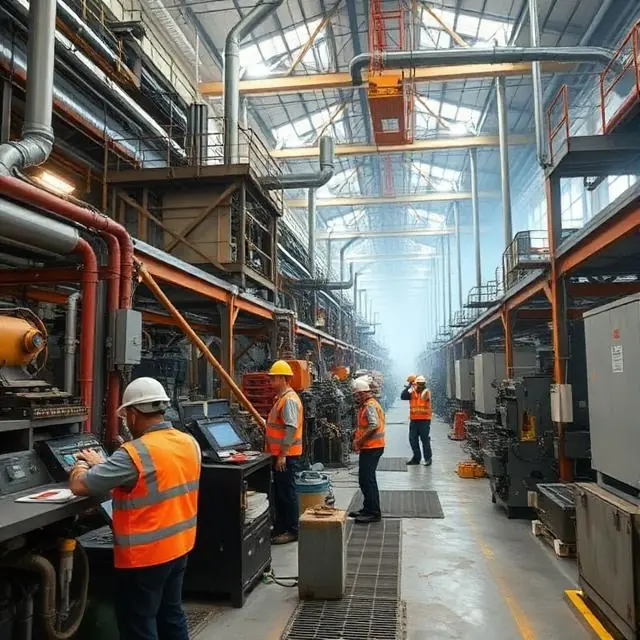
Industrial facilities are often associated with high noise levels that affect worker safety, productivity, and overall operational efficiency. As industries grow and machinery becomes more powerful, the need for effective soundproofing becomes even more important. Yet many organizations still struggle with noise control because industrial soundproofing is not as straightforward as applying a standard material or building an enclosure. Each environment presents complex challenges that require strategic planning, specialized products, and expert installation.
This long form guide explores the most common challenges in industrial soundproofing and how you can overcome them. It also includes practical solutions and focuses on SEO friendly keyphrases such as industrial soundproofing challenges, noise control solutions, and industrial acoustic treatment. By understanding the root causes of excessive industrial noise, you can create safer and more compliant spaces that enhance performance and protect your workforce.
Understanding the Complexity of Industrial Soundproofing
Industrial soundproofing addresses noise generated by heavy machinery, manufacturing processes, ventilation systems, and large open production floors. Unlike residential or office soundproofing, industrial noise control must deal with higher decibel levels, wide frequency ranges, and structural vibrations. This often requires a combination of acoustic treatment, isolation, and absorption solutions.
Industrial soundproofing challenges arise when noise sources vary or when facilities operate in older buildings not designed with acoustics in mind. Each of these factors influences the type of materials and strategies needed.
Common Challenges in Industrial Soundproofing
1. High Sound Pressure Levels from Heavy Machinery
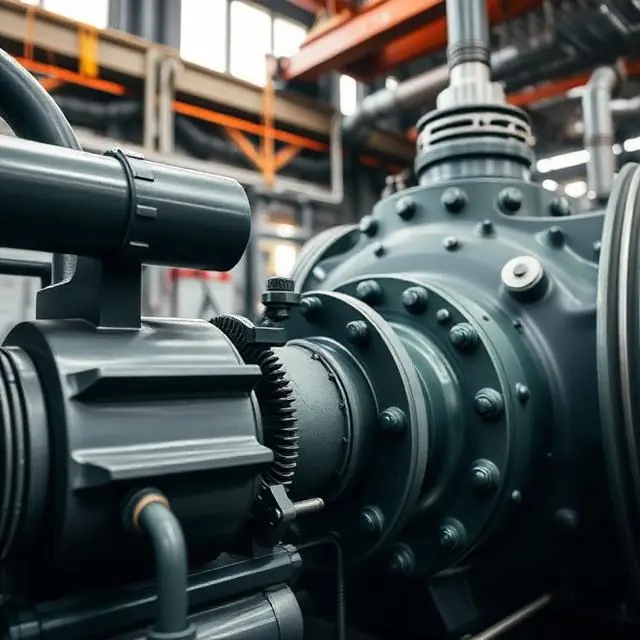
Heavy industrial machines produce sound pressure levels that are difficult to control. Equipment such as compressors, generators, turbines, and hydraulic presses generate low frequency noise that can travel long distances and penetrate floors and walls.
Why this is a challenge:
Low frequency noise carries more energy, which makes it harder to block with standard soundproofing materials. Many facilities also need the machines to operate continuously, so solutions must not disrupt workflow.
How to overcome it:
- Install high density sound barriers or mass loaded vinyl around machine areas.
- Build acoustic enclosures that surround the equipment without blocking ventilation.
- Use vibration isolators to reduce sound transferred through the structure.
- Implement sound absorbing panels that reduce reverberation in the surrounding environment.
These solutions work together to reduce decibel levels at the source and protect nearby work zones.
2. Structural Vibrations and Impact Noise
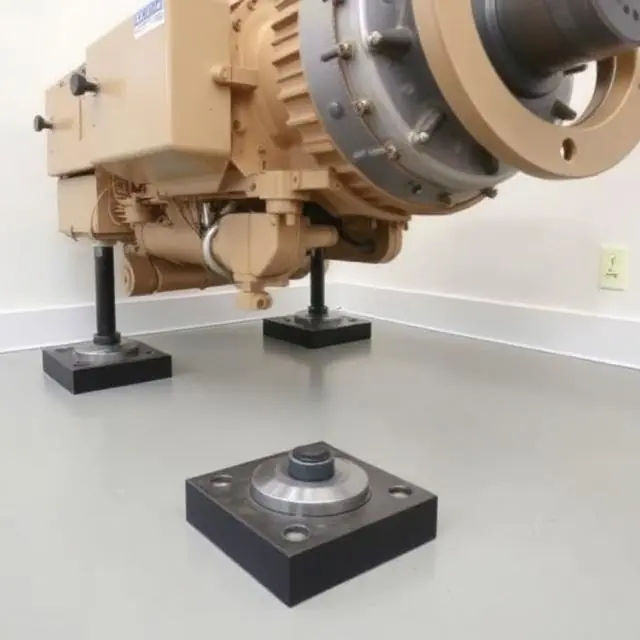
Many industrial soundproofing challenges relate to vibration based noise. When machines or motors are bolted directly to the floor, they transfer vibrational energy through the building. This results in impact noise, rattling, and resonance that can exceed acceptable safety standards.
Why this is a challenge:
Even if airborne noise is controlled, structure borne vibrations will continue to cause sound transmission through walls, ceilings, and floors.
How to overcome it:
- Use vibration isolation pads and anti vibration mounts.
- Reposition machinery to ensure weight is evenly distributed.
- Install floating floors or decoupled wall systems in high noise areas.
- Apply damping compounds on metal surfaces that tend to resonate.
These solutions disrupt the transfer of energy and help stabilize noise levels.
3. Large Open Spaces with Poor Acoustics
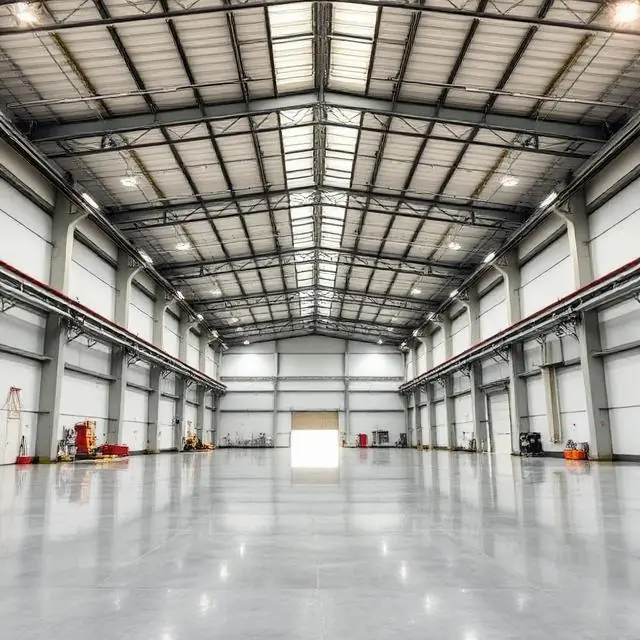
Factories, warehouses, and assembly plants often have open layouts that allow noise to travel freely. High ceilings, reflective surfaces, and minimal interior partitions create echo and reverberation that amplify sound.
Why this is a challenge:
Even with machine level soundproofing, reverberation can keep sound bouncing around the facility, creating an uncomfortable work environment and making verbal communication difficult.
How to overcome it:
- Install acoustic ceiling baffles or hanging clouds to absorb sound in large spaces.
- Add wall mounted acoustic panels to reduce echo.
- Create partial partitions or sound barriers around noisy zones.
- Use acoustic curtains for adaptable and budget friendly noise control.
Improving room acoustics enhances clarity and reduces overall decibel levels across the facility.
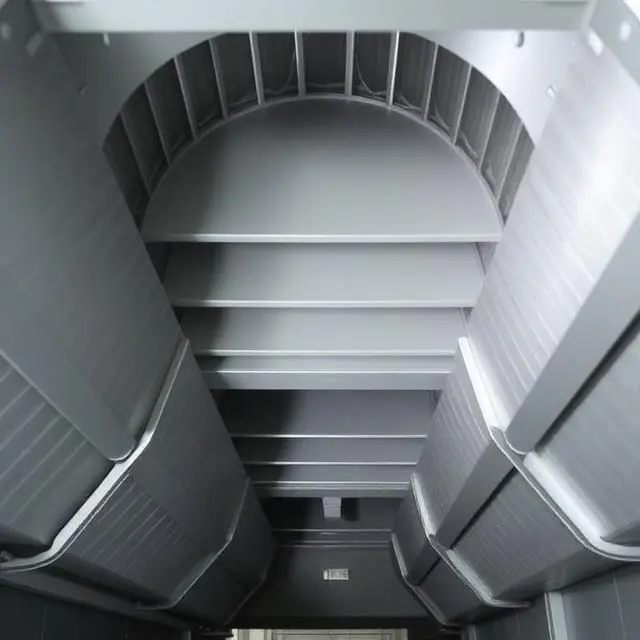
4. Ventilation and Airflow Requirements
Industrial environments rely on heavy duty HVAC systems to maintain airflow and cooling. However, ventilation openings can also become sound leaks that let noise escape or enter critical areas.
Why this is a challenge:
You cannot simply block vents for soundproofing. Airflow must remain uninterrupted to ensure safety and machine performance.
How to overcome it:
- Install acoustic louvers that allow airflow but reduce noise transmission.
- Use duct silencers on HVAC systems to limit sound movement through ducts.
- Build sound maze systems within ventilation paths to slow and trap noise.
- Position noisy equipment away from major ventilation lines.
This combination keeps noise under control without compromising air quality or cooling efficiency.
5. Limited Space for Installation
Many facilities operate at full capacity with little room for additional structures. Acoustic enclosures, barriers, or wall builds may not be possible due to space restrictions.
Why this is a challenge:
Soundproofing solutions must fit within existing layouts. Large or bulky materials may conflict with operations or violate safety regulations.
How to overcome it:
- Use slim profile acoustic panels that fit compact spaces.
- Install modular sound barriers that can be reconfigured as needed.
- Apply sound damping materials directly on machinery or walls.
- Choose lightweight acoustic curtains for areas where rigid structures are impractical.
Space efficient solutions ensure you achieve noise control without disrupting workflows.
6. Compliance with Noise Regulations
Industries must meet local and national noise regulations to protect workers and surrounding communities. Failing to manage industrial noise levels can lead to fines, complaints, or health issues.
Why this is a challenge:
Noise regulations vary based on industry type, location, and frequency range. Many facilities struggle to identify the right solutions without professional guidance.
How to overcome it:
- Conduct acoustic audits to measure current noise levels.
- Identify critical noise sources and prioritize them.
- Implement a long term noise control plan with phased improvements.
- Bring in soundproofing experts to ensure compliance and avoid unnecessary costs.
A data driven approach makes compliance easier and more efficient.
7. Budget Limitations and Long Term Maintenance
Industrial soundproofing can require significant investment. Many companies postpone upgrades because of perceived costs or concerns about maintenance.
Why this is a challenge:
Low cost materials rarely provide long lasting results, and poor installation can lead to repeated repairs or replacements.
How to overcome it:
- Focus on high impact areas first to maximize immediate results.
- Choose durable, industrial grade acoustic materials.
- Opt for modular acoustic systems that can be updated over time.
- Work with a soundproofing provider who offers maintenance support.
A strategic approach ensures long term savings and consistent acoustic performance.
Best Practices for Effective Industrial Soundproofing
To address common industrial soundproofing challenges, companies should follow a systematic approach that combines engineering, acoustic science, and practical planning.
Key best practices include:
- Identify noise sources before selecting materials.
- Separate structure borne and airborne noise problems.
- Combine absorption, damping, and isolation techniques.
- Use professional noise level testing and acoustic modeling.
- Continually monitor noise levels to maintain compliance.
These best practices help create a safer, quieter industrial environment that supports both productivity and well being.
Why People Trust SoundKrafted.com for Industrial Soundproofing
Industrial soundproofing requires expert planning, high quality products, and precision installation. At SoundKrafted.com we provide end to end soundproofing services and materials for different industrial spaces, commercial facilities, and specialized environments.
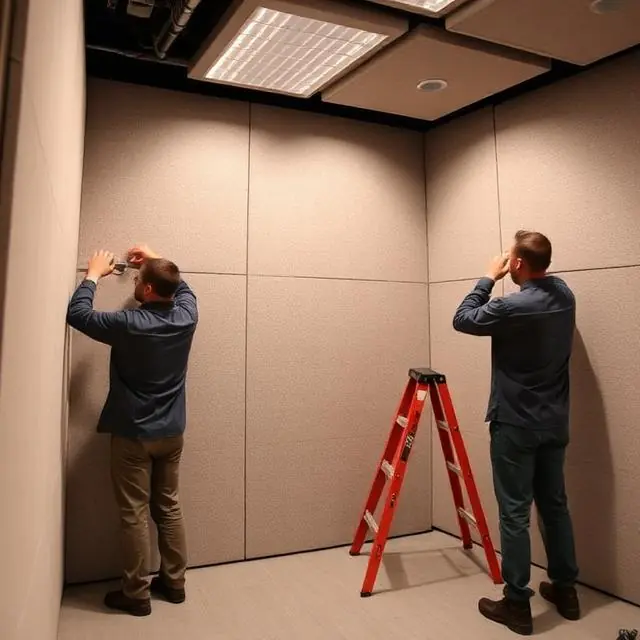
Businesses trust SoundKrafted.com because we offer:
- Tailored noise control solutions based on detailed acoustic analysis.
- Industrial grade soundproofing materials designed for durability and performance.
- Expertise in handling low frequency noise, mechanical vibrations, and heavy machinery acoustics.
- Custom acoustic enclosures, barriers, and modular systems.
- Compliance focused planning that helps facilities meet noise regulations.
- Professional installation and long term maintenance support.
Our mission is to help organizations create safer, more efficient spaces through sustainable noise reduction strategies.
Conclusion and Call to Action
Industrial soundproofing presents several challenges involving heavy machinery, structural vibrations, large open layouts, ventilation needs, and budget constraints. By understanding these obstacles and applying the right combination of absorption, isolation, and vibration control techniques, facilities can significantly reduce noise levels and enhance workplace safety.
Whether you need to improve acoustic comfort, meet regulatory standards, or reduce operational noise, professional guidance ensures the best results. If you are ready to transform your industrial space with reliable noise control solutions, explore expert services and premium materials at SoundKrafted.com. Contact us today to begin your soundproofing plan and create a quieter, more productive environment.