
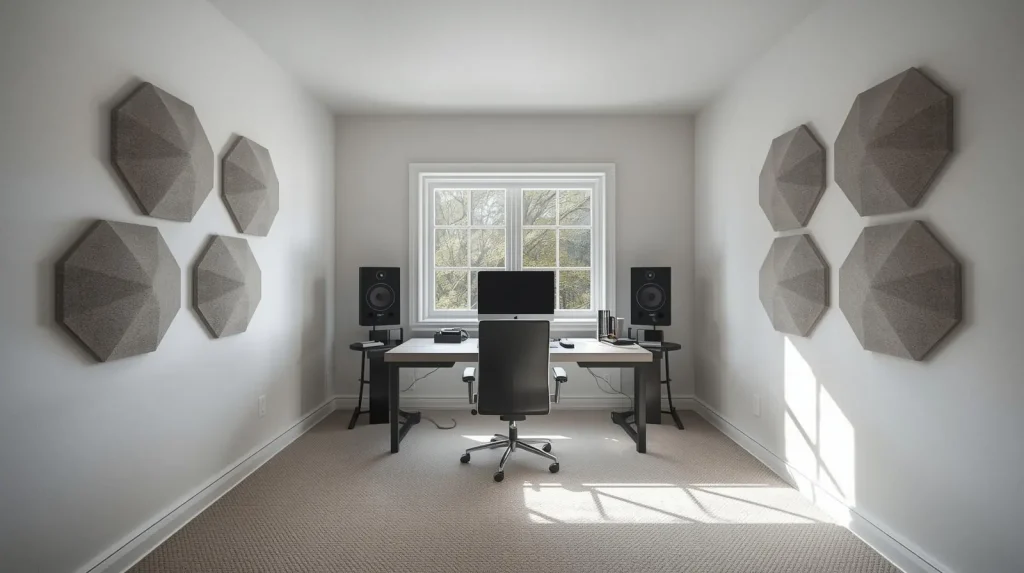
Creating a quiet, controlled studio environment is a struggle many musicians, podcasters, voice actors and home-based creators face. Noise leakage can ruin recordings, irritate neighbors and make your studio feel less professional. The good news is that effective soundproofing does not have to drain your wallet. With the right strategy, smart material choices and a little creativity, you can significantly improve your studio’s acoustics while still staying within budget.
This guide breaks down the best affordable studio soundproofing techniques and explains what actually works in small spaces. You will learn how to prioritize your spending, which materials provide the best value and how to make strategic upgrades that produce noticeable results.
Understanding the Basics of Soundproofing for Small Studios
Small rooms are unique. They amplify issues like flutter echo, room reflections and bass buildup. Before buying materials, it helps to understand what your space needs.
Soundproofing vs Acoustic Treatment
Many beginners mix up these two concepts. They serve different purposes.
Soundproofing
Blocks sound from entering or leaving a room. Affordable solutions often focus on sealing gaps, adding mass or improving isolation.
Acoustic treatment
Improves the quality of sound inside the room by reducing reflections and echoes. This is where panels, bass traps and diffusers come in.
Most small studio owners need a combination of both, but when you are on a budget, focus on the essentials first.
Assessing Your Studio Before Spending Money
A quick assessment helps you avoid buying unnecessary materials.
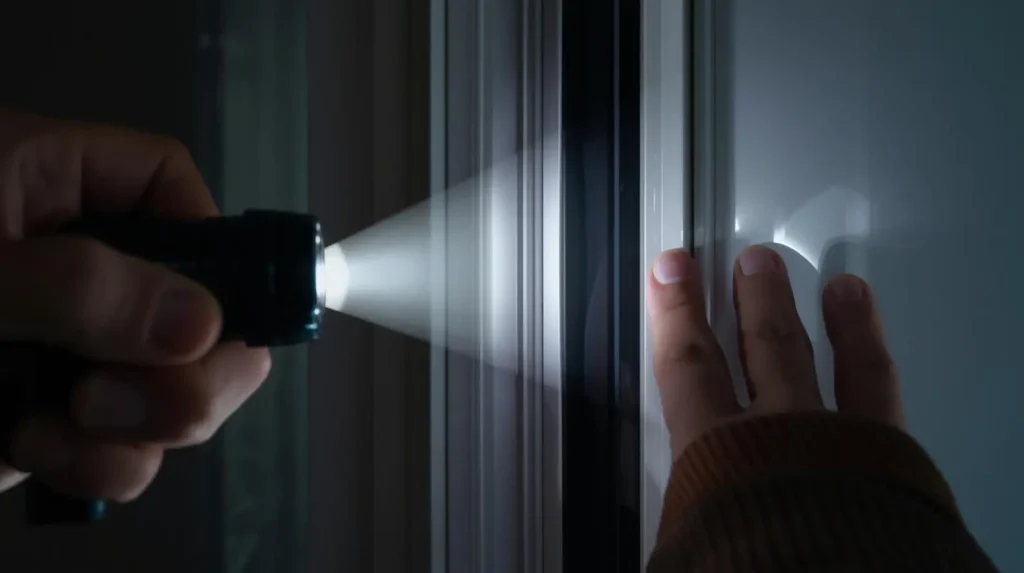
Identify sound leaks
Listen carefully while someone talks or plays music outside the room. Common weak points include:
- Gaps around doors
- Windows
- Outlets and vents
- Thin interior walls
- Hollow-core doors
Once you know the problem areas, you can target affordable upgrades instead of trying to treat everything at once.
Determine your main noise concern
Some studios struggle with outside noise. Others leak sound to neighboring rooms. Your priority will determine which soundproofing steps matter most.
Budget-Friendly Soundproofing Ideas for Small Studios
These strategies focus on maximum improvement for minimal cost.
Seal Gaps and Cracks
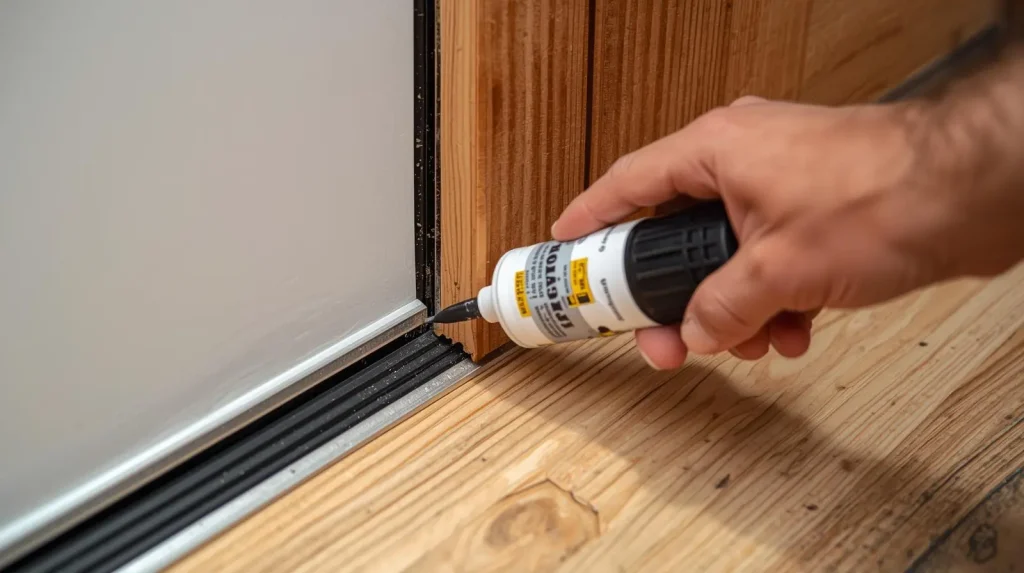
Air leaks are sound leaks. Sealing gaps is one of the cheapest and most effective budget soundproofing solutions.
Affordable options include:
- Weatherstripping for studio doors
- Door sweeps to block gaps at the bottom
- Acoustic caulk around trim, baseboards and window frames
- Rubber gaskets around outlets
These small fixes can reduce noise significantly and should be the first step before buying any larger acoustic products.
Upgrade Your Door for Better Isolation
Most interior doors are hollow and let sound pass through easily. You do not need to replace the door entirely if you are on a budget. Try these low-cost improvements:
- Add a solid-core door slab if your budget allows
- Use mass loaded vinyl (MLV) on the door surface
- Install a soundproof blanket or moving blanket during recordings
- Add a DIY panel to the door to increase mass
Increasing mass is one of the best ways to block sound in small studios.
Improve Window Isolation
Windows can ruin a good recording, especially if you live near traffic or loud neighbors.
Affordable window soundproofing ideas include:
- Thick blackout curtains
- Soundproof blankets hung during sessions
- DIY window plugs made of insulation and MDF
- Acoustic caulk around window frames
A removable window plug is one of the most effective budget-friendly solutions for serious noise.
Affordable Acoustic Treatment for Better Recording Quality
Once you have minimized sound leaks, you can focus on upgrading the acoustic quality of your room.
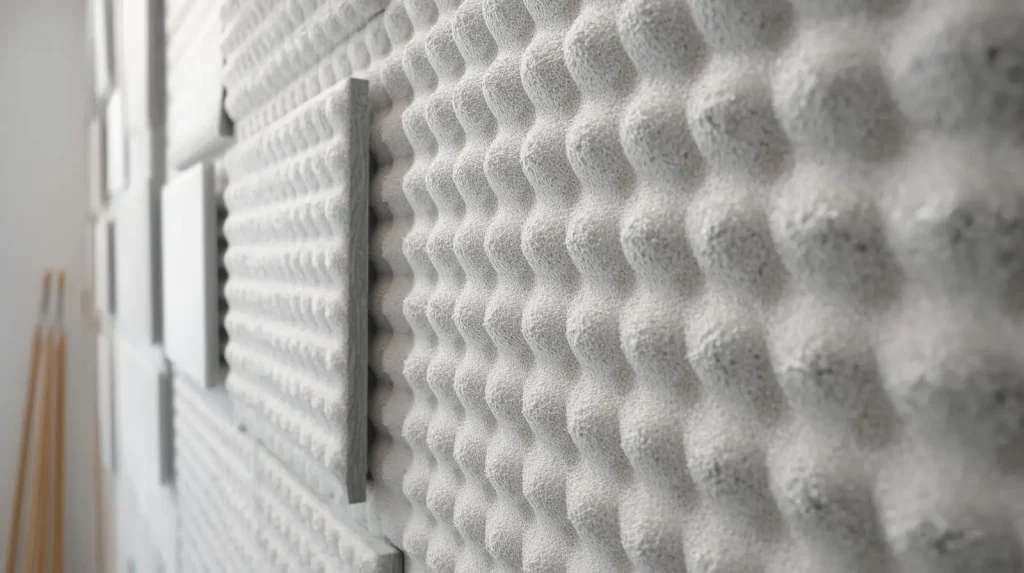
Choose Budget Acoustic Panels
Professional panels can be expensive, but there are cost-effective alternatives that still perform well.
Options include:
- DIY mineral wool or fiberglass panels
- Polyester acoustic panels
- 2-inch foam panels for early reflection points
Avoid very thin or extremely cheap foam that only looks good but does not actually absorb sound.
Use Bass Traps in Small Rooms
Small rooms have a lot of low-frequency buildup. Bass traps are essential, especially in corners.
Affordable solutions include:
- DIY rockwool bass traps
- Floor-to-ceiling corner traps
- Stacked insulation wrapped in breathable fabric
Bass treatment often has a bigger impact on mixing accuracy than any other upgrade.
Reduce Reflections with Strategic Placement
Soundproofing small studios on a budget requires smart placement rather than over-purchasing materials.
Prioritize:
- First reflection points
- The wall behind your speakers
- Corners for bass traps
Even a few well-placed panels can dramatically improve clarity in a small space.
Low-Cost DIY Soundproofing Hacks That Actually Work
Many DIY hacks are ineffective, but some truly help when used correctly.
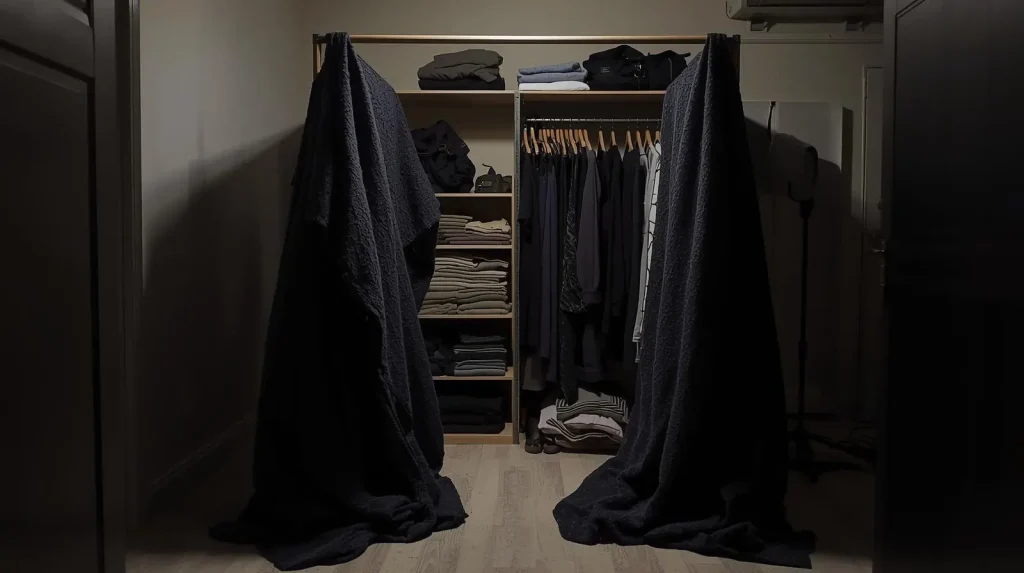
Moving Blankets
Heavy moving blankets can temporarily improve isolation and reduce reflections. They work well for:
- Temporary vocal booths
- Covering windows
- Hanging on doors
- Reducing reflections behind microphones
They are not a substitute for real acoustic treatment, but they are a useful short-term solution.
Rugs and Carpets
Hard floors reflect sound. A thick rug reduces higher-frequency reflections and makes your room sound more controlled.
Bookshelves as Diffusion
A filled bookshelf acts as a natural diffuser. Placed at the back of your studio, it can help scatter sound and reduce harsh reflections.
DIY Vocal Booth Alternatives
Instead of buying expensive isolation booths, try:
- A closet filled with clothes
- A PVC frame wrapped with moving blankets
- A portable reflection filter combined with a few panels
These solutions improve vocal clarity without requiring major spending.
Choosing the Right Materials for Budget Soundproofing
Not all materials are equal. Some are effective, while others only look appealing.
Materials that provide real soundproofing value
- Mass loaded vinyl
- Acoustic caulk
- Weatherstripping
- Mineral wool or fiberglass insulation
- MDF or plywood layers
- Solid-core doors
Materials to avoid if you need actual isolation
- Egg cartons
- Very thin acoustic foam
- Decorative foam tiles
These do little to block sound.
Planning Your Soundproofing Project Without Overspending
A strategic plan ensures you invest money where it truly matters.
Step-by-step budget plan
- Seal gaps around doors, windows and outlets.
- Upgrade the door with inexpensive mass-adding materials.
- Add heavy curtains or window plugs.
- Build or buy affordable acoustic panels.
- Install bass traps in corners.
- Add diffusion elements like shelves if needed.
- Fine tune with portable solutions like blankets or gobos.
By following these steps in order, you avoid wasting money on cosmetic fixes that do not solve real issues.
Why People Trust SoundKrafted.com for Studio Soundproofing
When improving a small studio on a budget, choosing reliable soundproofing materials and experts makes a major difference. At SoundKrafted.com, creators, homeowners and studio owners trust our solutions because we focus on performance, durability and affordability. Our team understands the challenges of working in small spaces and offers guidance on materials that deliver the best results without unnecessary complexity.
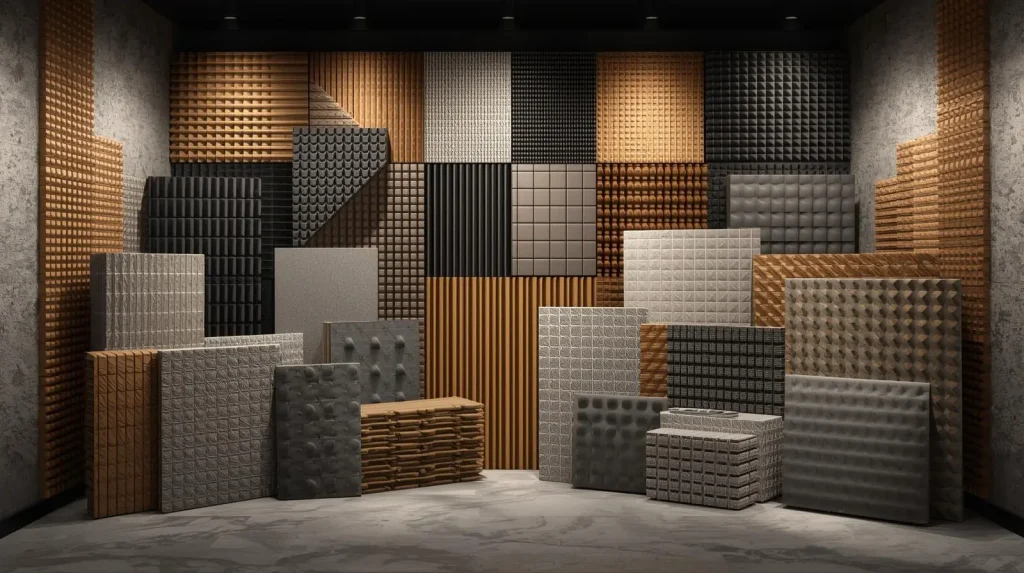
We provide soundproofing services and products tailored for home studios, offices, podcast rooms, rehearsal spaces and more. Customers value our transparent recommendations, practical advice and high quality materials that help them achieve better isolation and improved acoustics. Whether you need acoustic panels, bass traps, mass loaded vinyl or a complete room upgrade, SoundKrafted.com offers dependable options that balance performance and cost. This commitment to both quality and budget-friendliness is why people continue to choose us for their soundproofing needs.
Final Thoughts and Call to Action
Soundproofing small studios on a budget is absolutely possible when you approach it strategically. Start by sealing gaps, upgrading your door and improving window isolation. Then add affordable acoustic treatment like DIY panels and corner bass traps. A few smart upgrades can dramatically enhance recording quality and reduce noise leakage without requiring a large investment.
If you are ready to take your studio to the next level, explore reliable and budget-friendly soundproofing materials at SoundKrafted.com. With the right tools and guidance, your small studio can sound professional, controlled and ready for high-quality production.