
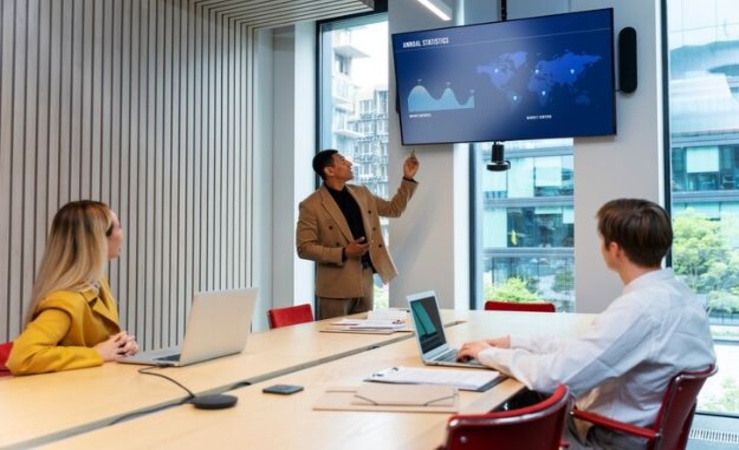
Open any office in Karachi, a government committee meeting room in Islamabad, or a college lecture hall in Lahore and you will find one thing, screens, speakers, microphones, and digital displays are becoming part of daily communication. A whiteboard and a wired mic were sufficient at one point and the times have silently slipped away. In Pakistan, the communication today is mainly based on audio visual communication to explain ideas, hold meetings, train teams and make contact over distances.
Due to the changing work styles and demands the necessity of clear visuals and sharp audio becomes no longer exclusive to events or expensive conferences. Even routine internal meetings rely on AV setups now. The growing reliance on digital content slides, videos, data charts, remote callers makes advanced audio visual communication more relevant than ever.
Understanding Audio Visual Communication in a Practical Way
When we take away the jargon the audio-visual communication merely implies the use of sound and graphics to ensure that the message is comprehensively understood. It’s that simple. However, the technology behind it has become much more competent in the last one decade.
Projectors and LED walls, microphones, cameras, sound processors and control panels, all of this comes together to produce a continuous, non-interrupted flow of communication. When it is correctly used, the technology fades into the background and the message comes out.
In Pakistan, where teams often sit in different cities or travel frequently, this combination is almost essential. Offices use it to align teams. Governments use it to address larger groups with accuracy. Schools rely on it to explain concepts visually. And public venues use it to keep crowds informed.
The demand is broad and it’s growing.
The Role of Audio Visual Communication in Corporate Pakistan
Better Meetings, Fewer Misunderstandings
Corporate offices are now faster paced and meetings are held one right after the other. When the sound is not clear and the visual material is not seen, the entire rhythm fails. Pakistani organizations are actively using audio visual communication to operate boardrooms, huddle rooms, training facilities and even small brainstorming rooms.
When you see a team presenting market data on a big screen or connecting with a client in Dubai through a crystal-clear video call, that’s the power of modern audio visual systems at work.
Presentations That Actually Hold Attention
The truth is, most presentations are boring unless supported by visuals. With audio visual multimedia setups, presenters can mix graphics, animations, videos, and live commentary without switching devices every two minutes. This brings ideas to life and audiences stay alert.
Government Institutions: A Growing Dependence on AV
Large Rooms Require Clear Sound
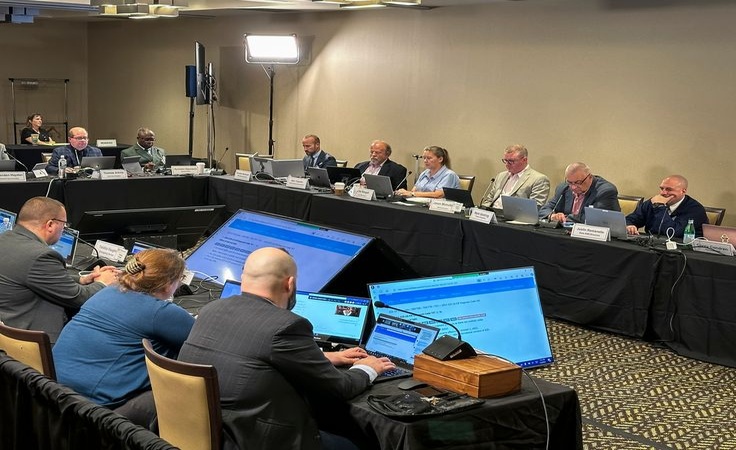
Government briefing halls, training academies, and administrative centres deal with larger spaces. A typical gathering may include dozens of people at once. Poor sound distribution or an unclear screen can distort important information. That’s why audio visual communication systems designed for government halls prioritize clarity and reliability.
Remote Collaboration
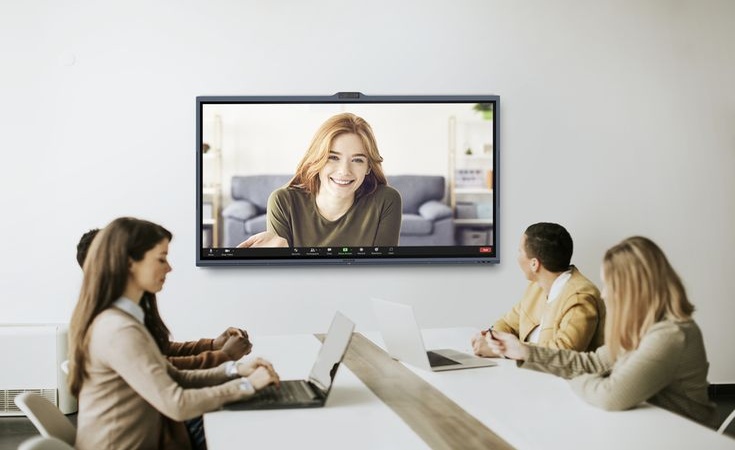
Across provinces, departments coordinate regularly. With AV integration, government staff in Lahore can join meetings in Islamabad without flying out. This reduces time, cost, and delays in decision-making.
And unlike old systems where the mic constantly screeched or the screen flickered, modern solutions are stable which makes a bigger difference than most people realise.
Education: Making Complex Ideas Easier to Grasp
When Audio and Visuals Work Together
Teachers have long known that students learn better when they see as well as hear. Multimedia audio visual solutions enable classes and lecture halls to have access to much more than chalk and talk. Audio visual communication develops a more two-way experience whether it is an animation about physics, a video showing the working of a lab procedure or an instructor coming online and joining the classroom.
Hybrid Learning
Pakistan Universities are progressively embracing the hybrid learning models. The end result of a developed AV system is that remote learners can hear the professor, can see the slides, and feel included in the session as opposed to lost souls calling in on the other side of the world.
Beyond Offices and Institutions: Other Sectors in Pakistan
Hospitality
Hotels that host company seminars or weddings require reliable AV systems otherwise events will crash within a short time. The screens, speakers and microphones should be functioning together and light sources should coordinate.
Community Spaces
Local halls, training centers, mosques, churches, and cultural venues are increasingly adopting audio visual communication to serve audiences more effectively. Sermons, workshops, awareness sessions, and public announcements all benefit greatly from AV clarity.
Residential Use
This is where the multi channel home theatre concept slips into the conversation. Many modern homes in Pakistan, especially in major cities, now install multi-channel AV setups not only for movies but also for learning, remote work, and family gatherings. The same principles used in commercial AV design help make home environments more immersive and practical.
The Components Behind Great Audio-Visual Communication
Visual Displays
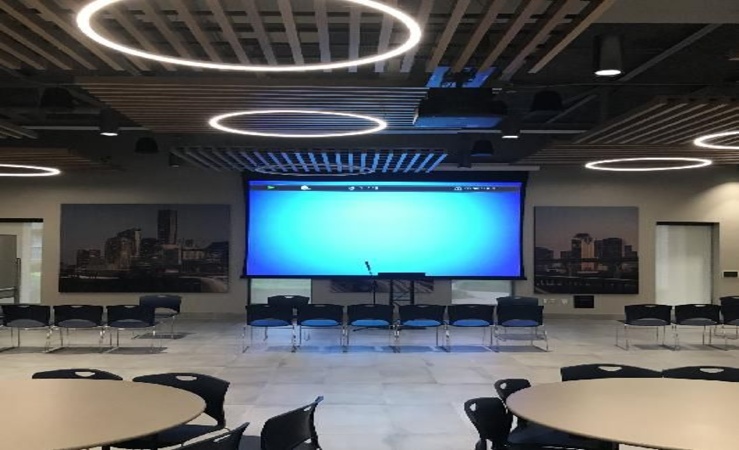
LED walls, projection systems, or simple screens visuals shape the audience’s understanding. Displays used in Pakistan’s new offices and institutions now focus on brightness, detail, and durability.
Audio Systems
Speakers, amplifiers, processors, and microphones form the sound backbone. Without clear audio, even the sharpest screen loses value. Balanced sound distribution is essential in larger halls where voices must travel far.
Control Systems
Modern AV isn’t a mess of cables anymore. Central control systems allow users to change inputs, adjust volume, switch slides, or start a video with minimal effort. In big facilities, touch panels or centralized controllers keep everything smooth.
Why Reliable Audio Visual Communication Matters in Pakistan
Productivity Boost
Meetings take less time. Communication is clearer. Teams stay aligned. In a competitive landscape, these advantages matter.
Professional Image
Whether it’s a government briefing or a corporate pitch, clear audio-visual delivery reflects competence. People trust information more when they hear and see it clearly.
Adapting to Hybrid Work
Remote work is now part of Pakistan’s culture. Without strong audio visual communication, hybrid setups fall apart.
Sound Krafted’s Role in Pakistan’s AV Landscape
As Pakistani organisations upgrade facilities, there’s a growing need for companies that understand the local environment the acoustics of concrete buildings, unpredictable power conditions, humidity, and real-world staff usage patterns.
Sound Krafted designs systems for how Pakistan actually works. Instead of overcomplicated technology, they focus on reliable audio visual communication solutions that make everyday tasks smoother.
Their expertise covers everything from conference rooms and lecture halls to multi-channel home theatre–style setups in multi-purpose spaces. What they bring is not just equipment but planning, tuning, and long-term support.
Final Thoughts
The shift toward audio visual communication in Pakistan isn’t a trend. It’s a necessity shaping how offices collaborate, how government body’s function, how students learn, and how communities connect. With improved audio-visual multimedia systems, communication is much easier, expressive and effective in organizations.
You may be updating a meeting room, constructing a training facility or updating a communal hall but the appropriate AV system will make the difference. And since Pakistan is catching up, and is more swiftly developing into a digitalized world, it is now time to invest in more sound, sharper images, and smarter communication devices.
Frequently Asked Questions
Why are audio visual systems becoming so common in Pakistan?
This is due to the fact that places of work, schools and even government departments in this country have begun to heavily depend on digital content than ever before. The time of presentations, remote meetings, training sessions, and the need to communicate with people publicly require a better sound and a more vivid image, so AV systems became an inseparable part of daily work.
Is the cost of installing audio visual communication system very high?
The price will solely be determined by the room size and the extent to which the setup must be done. A small meeting room may require a display and bare audio equipment, whereas a lecture hall or government auditorium will require a full-sized system. Most organizations tend to realize that the investment is compensated in a short period of time due to a higher level of communication and a more efficient flow of work.
Is AV capable of operating in changing power conditions?
Yes, provided that the equipment is equipped with proper power conditioning and protection. Pakistan has many buildings experience problems with electrical voltages, and it is necessary to use stabilizers or UPS support. An appropriate configuration will remain stable even in presence of inferior power supply.
Should AV systems be maintained on a regular basis?
They do. Screens, speakers and connections can be influenced by dust, humidity and heavy daily usage. A regular check-up after every couple of months ensures that all things run smoothly and avoids any inconvenience during crucial meetings or events.
Do these systems pose a challenge to the staff to use them?
Not really. The current AV solutions are intended to be easy. After the system has been installed, the majority of the users would just have to press a button to change the source, or to raise or lower the volume, or to initiate a video conference. Through the brief training, even non-technical employees have a smooth ride with it.