
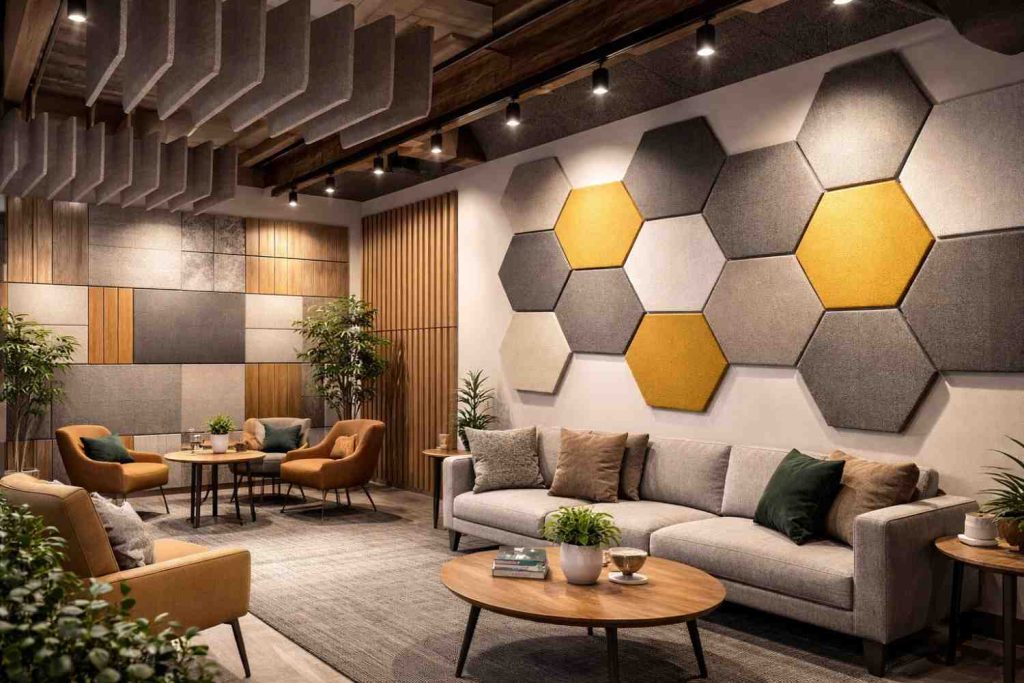
Noise pollution affects our daily lives more than most people realize. Whether working from home, recording podcasts, running restaurants, or simply relaxing in your living room, unwanted sound creates stress and reduces productivity. Fortunately, acoustic wall panels offer elegant solutions that combine functionality with visual appeal, transforming spaces into comfortable, quiet environments where people actually want to spend time.
Understanding how these innovative sound management tools work helps you make informed decisions about improving your space. This comprehensive guide explores everything you need to know about selecting, installing, and benefiting from acoustic treatment in residential, commercial, and professional settings.
Understanding How Acoustic Wall Panels Work
Sound travels through air as waves that bounce off hard surfaces like bare walls, creating echoes and reverberation. Acoustic wall panels absorb these sound waves rather than reflecting them back into rooms. The porous materials inside these panels trap sound energy, converting it into minimal heat through friction within the panel’s fibers.
Different materials provide varying absorption capabilities across frequency ranges. High-quality panels effectively reduce mid and high-frequency sounds like voices, music, and environmental noise. Some specialized designs also address low-frequency rumble from traffic, HVAC systems, or bass-heavy audio equipment.
The effectiveness of sound absorption gets measured through Noise Reduction Coefficient ratings. Higher NRC values indicate better sound absorption, with ratings ranging from zero (complete reflection) to one (total absorption). Professional-grade acoustic wall panels typically achieve NRC ratings between 0.7 and 1.0, meaning they absorb 70-100 percent of sound hitting their surfaces.
Types of Acoustic Panels Available
Fabric-Wrapped Panels
Fabric-wrapped options represent the most popular acoustic wall panels for offices, conference rooms, and residential spaces. These panels feature dense acoustic cores wrapped in decorative fabrics available in countless colors and patterns. The aesthetic flexibility allows seamless integration with existing interior design while delivering excellent sound absorption.
Core materials typically include fiberglass, mineral wool, or recycled materials compressed into rigid boards. Fabric coverings range from basic polyester to premium designer textiles, accommodating various budgets and style preferences. Installation proves straightforward using adhesive strips, z-clips, or impaling hardware.
Wooden Acoustic Panels
Wooden slat panels combine natural aesthetics with acoustic functionality. These acoustic wall panels feature wood strips with precise spacing, backed by sound-absorbing materials. The gaps between slats allow sound waves to penetrate and get absorbed by backing materials while the wood provides sophisticated visual appeal.
Popular in modern offices, restaurants, and upscale residences, wooden acoustic panels deliver warmth that fabric options cannot match. Various wood species, finishes, and slat patterns enable customization matching specific design visions. However, they generally cost more than fabric alternatives.
Foam Acoustic Panels
Budget-conscious buyers often choose foam panels for home studios, practice rooms, and gaming spaces. These lightweight acoustic wall panels come in various shapes including wedges, pyramids, and egg crates. While effective at absorbing sound, foam panels typically offer limited aesthetic appeal compared to fabric or wood options.
Acoustic foam works well in spaces where appearance takes secondary priority to function. Musicians, podcasters, and content creators frequently use foam panels in dedicated recording areas where visual design matters less than sound quality.
Perforated Metal Panels
Commercial and industrial applications sometimes require durable, maintenance-free solutions. Perforated metal acoustic wall panels feature precision-cut patterns that allow sound penetration to backing absorption materials. The metal facing provides exceptional durability while maintaining clean, modern appearances.
These panels excel in high-traffic areas like gymnasiums, cafeterias, transportation terminals, and manufacturing facilities where traditional fabric panels might suffer damage or require frequent replacement.
Benefits Beyond Sound Control
Improved Speech Intelligibility
Excessive reverberation makes understanding conversations difficult, especially in larger rooms. Installing acoustic wall panels clarifies speech by reducing echo and background noise. Conference rooms, classrooms, restaurants, and open offices see dramatic improvements in communication quality after proper acoustic treatment.
Meeting participants stop repeating themselves. Teachers no longer strain their voices. Restaurant patrons enjoy conversations without shouting over ambient noise. These improvements enhance user experiences significantly while reducing vocal fatigue.
Enhanced Audio Quality
Home theaters, music rooms, and recording studios require precise sound reproduction. Acoustic wall panels eliminate reflections that color audio, allowing speakers and instruments to sound as intended. Bass frequencies tighten, vocals gain clarity, and overall listening experiences improve dramatically.
Audiophiles appreciate how acoustic treatment reveals details previously masked by room resonances. Musicians hear accurate representations of their performances, enabling better practice sessions and recordings.
Aesthetic Enhancement
Modern acoustic wall panels function as design elements rather than purely functional additions. Custom colors, patterns, and arrangements transform plain walls into striking visual features. Businesses use branded colors, artists create acoustic murals, and homeowners match panels to décor themes.
The design flexibility means acoustic treatment no longer requires compromising aesthetics for functionality. Spaces become both beautiful and acoustically optimized simultaneously.
Increased Property Value
Commercial properties with proper acoustic treatment command higher rental rates and sales prices. Tenants value comfortable, quiet environments that enhance productivity and reduce stress. Residential properties featuring home theaters, music rooms, or quiet home offices appeal to buyers seeking functional spaces.
Investing in quality acoustic wall panels pays dividends through improved usability and increased property values over time.
Choosing the Right Panels for Your Space
Assess Your Acoustic Needs
Different spaces require different solutions. Conference rooms need speech clarity. Music studios require balanced frequency absorption. Restaurants want noise reduction without eliminating all ambiance. Understanding your primary acoustic goals guides appropriate panel selection.
Measure your space and calculate required coverage. Generally, treating 15-30 percent of wall surface area significantly improves acoustics. More coverage provides greater sound control but increases costs.
Consider Aesthetic Preferences
Acoustic wall panels should complement existing design rather than clash with it. Consider colors, textures, and mounting styles that enhance your space visually while solving acoustic problems. Many manufacturers offer custom printing, allowing incorporation of artwork, branding, or photography into functional acoustic treatment.
Budget Appropriately
Panel prices vary dramatically based on materials, sizes, and customization. Basic foam panels cost as little as $2-5 per square foot, while premium fabric or wood options reach $15-30 per square foot. Professional installation adds labor costs but ensures optimal performance and appearance.
Balance budget constraints against long-term value and performance requirements. Sometimes spending more upfront delivers better results and longevity than choosing cheapest options.
Installation Best Practices
Surface Preparation
Clean walls thoroughly before installing acoustic wall panels. Remove dust, grease, and loose paint ensuring proper adhesion. Uneven surfaces may require patching or furring strips creating flat mounting planes for consistent panel placement.
Strategic Placement
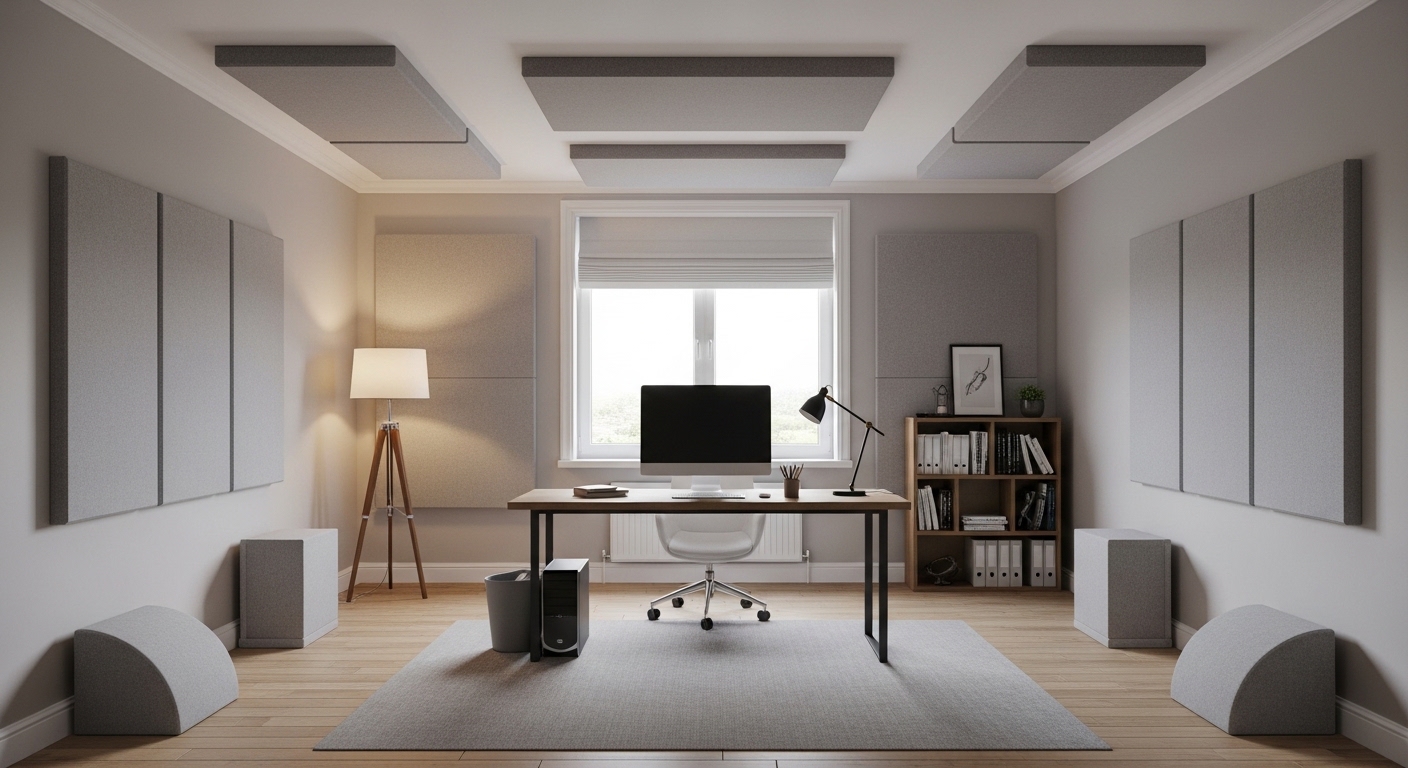
Position panels where sound reflections cause the most problems. Primary reflection points on walls opposite speakers benefit most from treatment. Ceiling installations address overhead reflections particularly problematic in rooms with hard flooring.
Symmetrical placement on opposing walls prevents unbalanced acoustics that make spaces feel uncomfortable. Distribute panels throughout rooms rather than concentrating all treatment in single areas.
Mounting Methods
Various mounting techniques suit different panel types and installation permanence needs. Adhesive strips work well for lightweight panels in permanent installations. Z-clips enable easier removal and repositioning. Impaling clips provide secure mounting for heavier panels.
Professional installers ensure proper mounting preventing panels from falling while maintaining clean, finished appearances. DIY installations save money but require careful attention to manufacturer instructions.
Maintenance and Longevity
Quality acoustic wall panels require minimal maintenance while providing decades of service. Fabric panels benefit from occasional vacuuming using brush attachments, removing accumulated dust. Avoid liquid cleaners that might damage fabrics or cores.
Wooden panels need only periodic dusting with dry cloths. Metal panels tolerate wet cleaning for removing grime in industrial environments. Foam panels prove most delicate, requiring gentle handling and dust removal with compressed air.
Proper care ensures acoustic treatment continues performing effectively while maintaining attractive appearances throughout its lifespan.
Conclusion
Investing in acoustic wall panels transforms spaces plagued by noise, echo, and poor sound quality into comfortable environments where communication flows easily and audio sounds crystal clear. Whether improving home theaters, optimizing office acoustics, or creating professional recording spaces, these versatile solutions deliver measurable improvements in both functionality and aesthetics. Understanding available options, proper selection criteria, and installation best practices ensures you achieve optimal results matching your specific needs and budget. Take control of your acoustic environment today and experience the remarkable difference properly treated spaces make in daily life quality.
Frequently Asked Questions
1. How many acoustic wall panels do I need for my room?
Coverage requirements depend on room size, existing surfaces, and acoustic goals. Generally, treating 15-30 percent of wall surface area significantly improves acoustics. Rooms with many hard surfaces need more coverage than spaces with carpeting and furniture. Calculate square footage, then multiply by your target coverage percentage. Professional acoustic consultants can provide precise recommendations based on specific room characteristics and intended uses.
2. Can I install acoustic wall panels myself or should I hire professionals?
DIY installation proves feasible for many panel types, particularly lightweight fabric-wrapped options using adhesive mounting. Basic tools, careful measurements, and following manufacturer instructions enable successful installations. However, professional installation ensures optimal placement, secure mounting, and finished appearances worth considering for expensive panels or critical applications like recording studios. Professionals also handle challenging installations involving high ceilings or complex patterns.
3. Do acoustic wall panels completely soundproof rooms?
No, acoustic panels improve sound quality within rooms by reducing echo and reverberation but don’t prevent sound transmission through walls. Soundproofing requires different approaches including mass-loaded vinyl, insulation, and structural modifications blocking sound passage between spaces. Acoustic panels excel at treating sound within rooms rather than isolating rooms from external noise. For both benefits, combine acoustic treatment with proper soundproofing materials.
4. How do I clean and maintain acoustic wall panels?
Fabric panels require gentle vacuuming using brush attachments every few months, removing accumulated dust. Avoid liquid cleaners unless manufacturer specifications allow them. Wooden panels need only occasional dusting with dry cloths. Metal panels tolerate damp cleaning for tougher grime. Foam panels demand careful handling, using compressed air for dust removal. Proper maintenance preserves both acoustic performance and visual appeal throughout panel lifespans.
5. What’s the difference between acoustic panels and soundproofing materials?
Acoustic panels absorb sound within rooms, reducing echo, reverberation, and improving audio clarity. They don’t prevent sound transmission through walls. Soundproofing materials like mass-loaded vinyl, insulation, and resilient channels block sound passage between spaces. Many people confuse these purposes—acoustic treatment addresses sound quality inside rooms while soundproofing isolates rooms from external noise. Optimal results often require combining both approaches depending on specific acoustic challenges.