
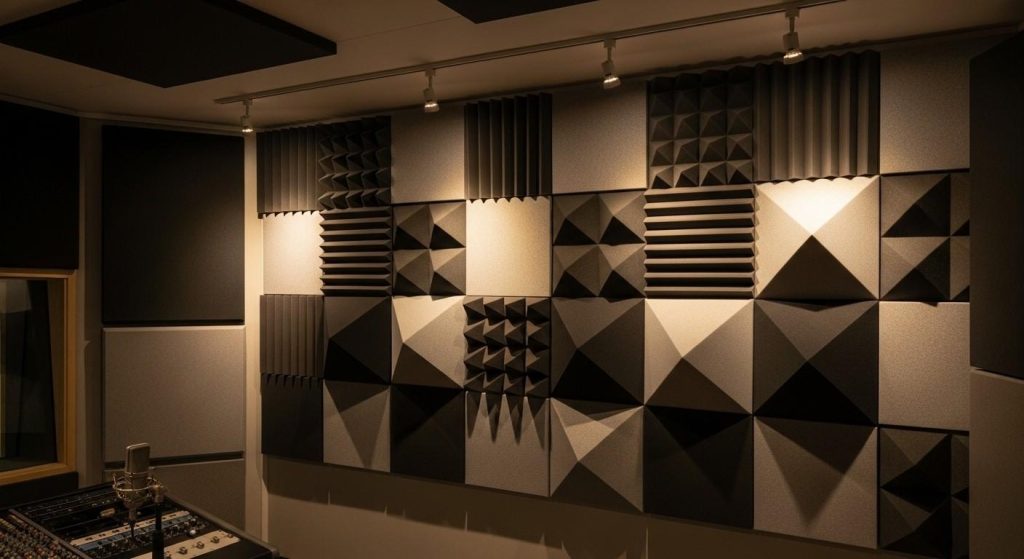
Noise ruins productivity. Echo-filled conference rooms frustrate teams. Recording studios sound muddy. Open offices drive workers crazy. But there’s good news. Acoustic treatment panels solve these problems fast. They stop sound from bouncing around and make spaces comfortable again.
This guide shows you exactly what works. No complicated jargon. Just practical advice you can use today.
How Sound Creates Problems
Sound travels through air and hits walls. Hard surfaces bounce it back. This creates echo. When echo builds up, people can’t hear clearly. Meetings become exhausting. Recordings sound terrible.
Acoustic treatment panels absorb sound instead of bouncing it back. Think of them like sponges for noise. They soak up sound energy and stop echo before it starts.
Different sounds need different solutions. Low sounds like bass require thick panels. High sounds like voices work with thinner options. Understanding this helps you pick the right treatment.
Panel Types That Actually Work
Fabric-Wrapped Panels
These are the most popular acoustic treatment panels for offices and conference rooms. They have dense cores wrapped in fabric. The core traps sound waves. The fabric looks professional.
You can get hundreds of color options. They blend with any décor. Most panels absorb 80-90% of sound hitting them. That’s really effective.
Installation is straightforward. Mount them on walls where echo bounces most. Results show up immediately.
Polyester Panels
Made from recycled materials, polyester panels resist moisture well. They work great in restaurants, gyms, and coastal buildings. Water doesn’t damage them like it does other materials.
These acoustic treatment panels also handle fire safety codes. They meet strict commercial building requirements. You can print logos or artwork right on them. This turns acoustic fixes into design features.
Wood Panels
Want something that looks upscale? Wood panels combine beauty with performance. Wooden slats have absorption material behind them. Sound goes through the gaps and gets trapped.
Executive boardrooms love these. Hotels use them too. They look expensive and work well. The downside? They need regular dusting. You’ll also need to condition the wood yearly.
Metal Panels
Tough spaces need tough solutions. Metal acoustic treatment panels survive in gyms, factories, and transit centers. They have perforated metal faces protecting the acoustic core.
These panels last decades. They handle impact, cleaning, and harsh conditions. When durability matters most, metal panels deliver.
Where Treatment Makes the Biggest Difference
Conference Rooms
This is where most businesses start. Untreated meeting rooms echo badly. Video calls sound terrible. People repeat themselves constantly.
Adding acoustic treatment panels to 25-30% of wall space fixes this. Suddenly meetings feel easier. Video calls work better. Teams get more done.
Recording Studios
Professional audio needs serious acoustic control. Reflections ruin recordings. Engineers can’t hear what they’re actually capturing.
Panels go on side walls first. This stops the worst reflections. Ceiling treatment comes next. The result? Clean recordings that sound professional.
Offices and Workspaces
Open offices create noise chaos. Multiple conversations blend together. Phone calls disturb everyone. Concentration becomes impossible.
Strategic panel placement creates acoustic comfort. Workers focus better. Stress levels drop. Productivity improves measurably.
Training Centers
Classrooms and lecture halls need clear speech. When rooms echo, students miss information. Teachers strain their voices. Learning suffers.
Acoustic treatment panels fix this problem. Students understand lessons better. Teachers talk comfortably. Test scores actually improve in treated spaces.
Medical Facilities
Healthcare spaces require privacy. Conversations shouldn’t carry between areas. Treatment reduces sound levels making discussions less audible elsewhere.
Waiting rooms benefit too. Multiple conversations don’t create overwhelming noise. Patients feel calmer in acoustically comfortable spaces.
Smart Installation Tips
Find the Problem Spots
Don’t just stick panels randomly. Target problem areas first. These are walls where sound bounces hardest before reaching listeners.
Back walls in conference rooms need treatment. They create slap echo. Side walls cause another problem called flutter echo. Fix these spots first.
Calculate Coverage
Most spaces need 20-30% coverage. Rooms with lots of hard surfaces need more. Spaces with carpet and furniture need less.
Too much treatment makes rooms feel dead. Too little doesn’t solve problems. Balance is key.
Mount Them Right
Panels need secure mounting. Adhesive works for lightweight options. Z-clips allow easy repositioning. Heavy panels need mechanical fasteners.
Ceiling panels require proper support. They must attach to building structure. Safety matters here. Get professional help for ceiling installations.
Keeping Panels Working Well
Quality acoustic treatment panels need little maintenance. Fabric types benefit from quarterly vacuuming. Use soft brush attachments. This removes dust without damage.
Polyester panels need even less care. Wipe them semi-annually with damp cloths. They resist staining naturally.
Wood panels require more attention. Dust quarterly. Apply wood conditioner yearly. This keeps them looking good.
Most installations last 15-25 years. That’s excellent value for your investment.
What You’ll Actually Pay
Fabric panels cost $3-6 per square foot for materials. Polyester runs $4-7. Wood panels are pricier at $8-15. These are material costs only.
Professional installation adds $2-4 per square foot. The total depends on your space size. A typical conference room might need $2,000-4,000 total.
But consider the benefits. Better meetings. Clearer communication. Less stress. Most businesses see returns within a year through improved productivity.
Making Your Decision
Start by identifying your worst acoustic problems. Is it conference room echo? Recording clarity? Office noise?
Next, determine your budget. Basic fabric panels work for most applications. Special environments might need specialized options.
Consider appearance. Will panels be visible? Do aesthetics matter? This affects material choice.
Finally, decide between DIY and professional installation. Small projects work DIY. Larger installations benefit from expert help ensuring optimal results.
Why This Matters
Poor acoustics cost businesses money. Meetings take longer. Mistakes increase. Employee satisfaction drops. Clients notice quality issues.
Acoustic treatment panels fix these problems. They’re not expensive compared to the value they deliver. Better acoustics improve everything happening in your space.
Don’t accept poor sound quality. Solutions exist. They’re affordable. Results show immediately.
Getting Started
Measure your space. Calculate wall and ceiling area. Determine 25-30% of that for coverage needs.
Research panel types matching your environment. Consider moisture, durability, and appearance requirements.
Get quotes from suppliers. Compare materials and installation costs. Read reviews from similar facilities.
Plan installation timing. Some projects happen over weekends. Others need phased approaches.
Execute the plan. Whether DIY or professional, follow through completely. Partial treatment delivers partial results.
Conclusion
Acoustic treatment panels transform problem spaces into comfortable environments where communication flows naturally. Whether fixing conference room echo, improving recording quality, or creating productive workspaces, these solutions deliver real results fast. The investment pays back through better meetings, happier teams, and improved outcomes. Stop accepting bad acoustics. Fix them today with proven treatment that works immediately.
Frequently Asked Questions
1. How do acoustic panels differ from soundproofing materials?
Acoustic panels improve sound inside a space. They reduce echo and make voices clearer. Soundproofing stops sound from passing through walls between spaces. Most businesses need acoustic treatment, not soundproofing. Treatment fixes echo problems. Soundproofing addresses noise transfer.
2. How many panels does a conference room need?
Cover 25-30% of wall space for typical rooms. A 15×20 foot room has about 700 square feet of wall space. Treat 175-210 square feet with panels. This usually means 12-16 panels depending on size. Rooms with all hard surfaces may need more coverage.
3. Can I install acoustic panels myself?
Small projects work for DIY. Lightweight fabric panels with adhesive backing install easily. Just stick them on walls. Larger projects benefit from professional help. Pros ensure proper placement and secure mounting. They also handle ceiling installations safely.
4. Do acoustic panels work for all sounds?
Standard 2-inch panels handle speech frequencies well. They fix echo and improve clarity. Deep bass needs thicker panels or bass traps. Most offices only need standard thickness. Studios might need specialty options for full frequency control.
5. How long do acoustic panels last?
Quality panels work effectively for 15-25 years. The cores never wear out. Fabric surfaces need occasional cleaning. Polyester panels last even longer. They resist moisture and physical wear. Metal panels can last 30+ years in tough environments.